
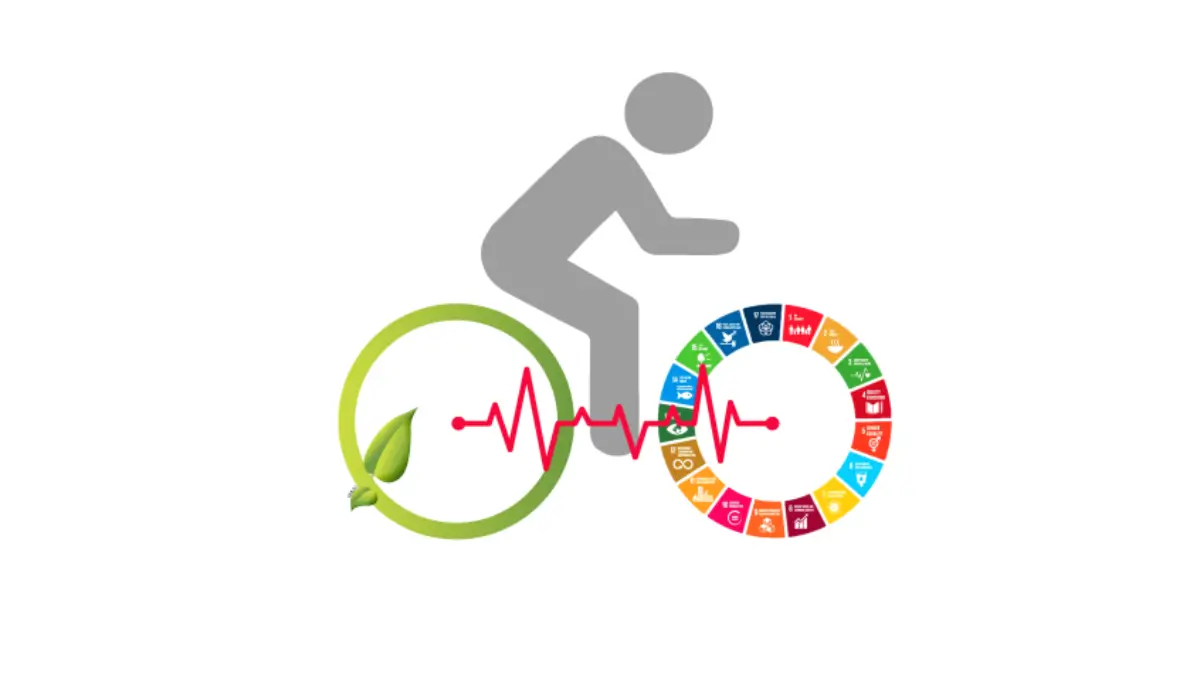
World Bicycle Day 2026 is observed on 3 June 2026, celebrating one of the simplest yet most impactful inventions in human history. Across the world, people, governments, cycling groups, and environmental organizations use this day to promote cycling as a healthy, affordable, and sustainable mode of transport.
World Bicycle Day 2026
The occasion also highlights how bicycles help reduce pollution, improve public health, and make mobility accessible to people from different economic backgrounds. The global observance continues to gain importance as cities search for cleaner transportation alternatives and healthier lifestyles.
Do you know?
The “dandy horse”: Invented by Karl Drais in 1818 — the earliest bicycle ancestor, powered by running feet along the ground. Weighed nearly 50 pounds
World Bicycle Day 2026 Theme
The official theme for 2026 is:
“Cycling for a Greener Future”
The theme focuses on encouraging people to choose bicycles as an environmentally friendly means of transportation while promoting healthier communities and cleaner cities.
- Environmental Protection: Reduce carbon emissions and air pollution
- Healthy Lifestyle: Encourage daily physical activity
- Sustainable Transport: Promote cycling as a green mobility solution
- Urban Development: Support bicycle-friendly infrastructure
- Climate Awareness: Encourage eco-conscious travel choices
No need for an extreme diet:
Calorie Burn: Depending on the intensity, cycling can burn between 400 to 1,000 calories per hour, making it one of the most effective ways to stay fit.
History of World Bicycle Day
The Professor and His Students: The story of World Bicycle Day begins not in a UN chamber, but in a classroom.
- February 2015: Professor Leszek Sibilski, a Polish sociology professor teaching in the United States, publishes a World Bank blog post titled “Cycling Is Everyone’s Business” — planting the seed for a global movement
- February 2016: Sibilski publishes another post: “Why is there no world day for the bicycle?” The campaign gains momentum
- March 2016: Sibilski speaks at the Scientists for Cycling colloquium in Taipei, Taiwan, formally advocating for a UN-recognized World Bicycle Day
- April 12, 2018: The UN General Assembly unanimously adopts Resolution A/RES/72/272, declaring June 3 as World Bicycle Day. All 193 member states voted in favour. Turkmenistan and 56 other countries co-sponsor the resolution
Fun Fact:
Longest tandem bicycle 35 seats, more than 65 feet (67 ft) long
Why World Bicycle Day Matters in 2026
1. Environmental Impact: Bicycles are one of the cleanest forms of transport. By replacing car trips with bike rides, we drastically reduce CO2 emissions, nitrogen oxides, and noise pollution. In the fight against climate change, the “bicycle revolution” is one of the fastest ways to lower a city’s carbon footprint.
2. Public Health and Well-being: Sedentary lifestyles are a leading cause of non-communicable diseases. Cycling integrates physical activity into a daily routine, reducing risks of heart disease, obesity, and diabetes. Furthermore, the “mental health boost” from cycling—due to the release of endorphins and connection with the outdoors—is well-documented.
3. Social Equity and Accessibility: The bicycle is the “great equalizer.” It is an affordable vehicle that grants people access to education, healthcare, and employment without the burden of high fuel costs or expensive insurance.
4. Economic Efficiency: For governments, investing in cycling infrastructure is significantly cheaper than building multi-lane highways or expansive parking garages. For individuals, cycling reduces the cost of commuting and vehicle maintenance.
Fun Fact:
The Cycling Capital: The Netherlands is world-famous for its cycling culture. In some Dutch cities, there are more bicycles than there are human residents.
Connection to the Sustainable Development Goals
World Bicycle Day 2026 directly supports 13 of the 17 UN SDGs through physical activity, sustainable transport, and inclusive development
- SDG 3: Good Health & Well-being: Prevents heart disease, diabetes, stroke; improves mental health
- SDG 10: Reduced Inequalities: Affordable transport for low-income communities
- SDG 11: Sustainable Cities: Reduce congestion, improve air quality, create livable spaces
- SDG 12: Responsible Consumption: Low-impact lifestyle, minimal resource use
- SDG 13: Climate Action: Zero-emission alternative to motorised transport
- SDG 17: Partnerships: International cooperation on cycling infrastructure and policy








 IBPS Clerk Prelims 2026: What to Carry, ...
 General Information Document For NICL AO...
 RBI Grade B Eligibility 2027, Educationa...