
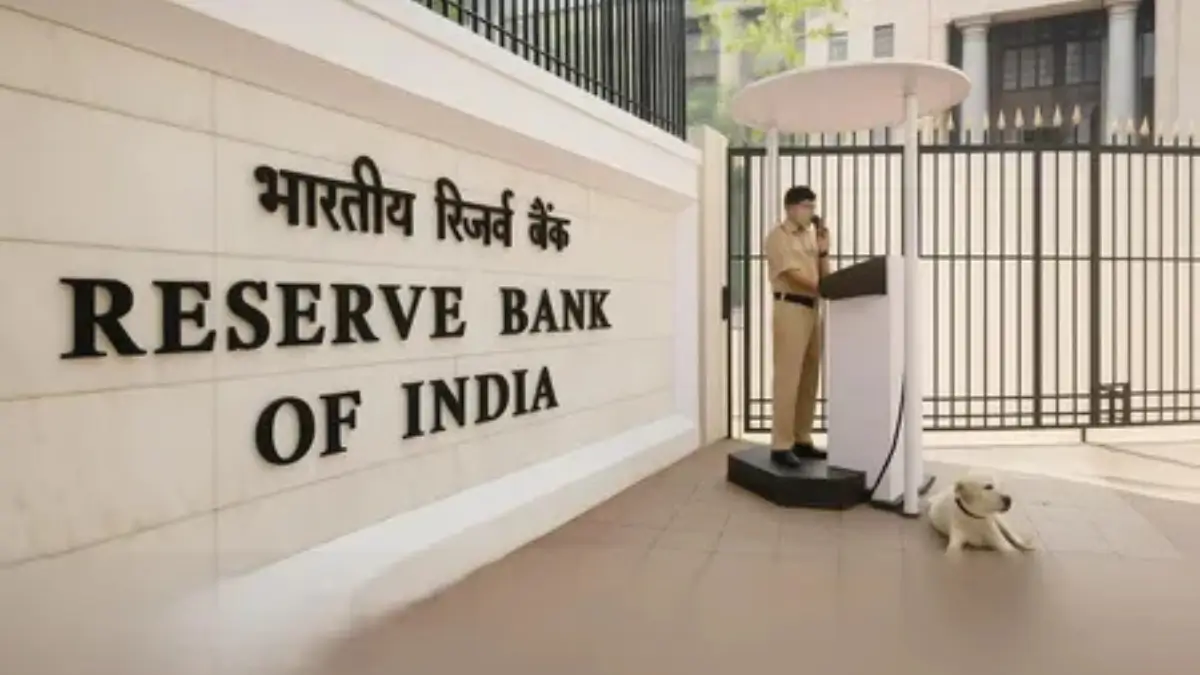
The RBI Grade B Phase 2 Descriptive English paper is scheduled to be held on 25 and 26 July 2026. The paper evaluates a candidate’s ability to communicate ideas with clarity, structure arguments logically, and demonstrate awareness of contemporary issues. Essay topics are generally based on themes related to banking, the economy, financial inclusion, governance, technology, sustainability, and social issues.
10 Most Expected Essay Topics for RBI Grade B Phase 2
Preparing the right essay topics is one of the most effective ways to score well in the RBI Grade B Phase 2 Descriptive English paper. Since the exam frequently covers current economic, financial, and social issues, having a clear understanding of these themes can significantly improve your performance. Practising expected essay topics also helps you organize your ideas, develop a logical flow, and present balanced arguments in the examination.
| Rank | Expected Essay Topic | Why It is Important |
| 1 | Artificial Intelligence in Banking and Financial Services | AI-driven banking, fraud detection, customer service, and regulatory challenges are major focus areas. |
| 2 | Digital Public Infrastructure (DPI): Transforming India’s Economy | UPI, Aadhaar, DigiLocker, and India’s digital ecosystem continue to shape financial inclusion. |
| 3 | Financial Inclusion: The Road to Inclusive Economic Growth | One of RBI’s core objectives and a recurring theme in descriptive papers. |
| 4 | Green Finance and Sustainable Banking | ESG investing, climate finance, and sustainable development have gained significant policy attention. |
| 5 | Role of Monetary Policy in Managing Inflation and Economic Growth | Inflation targeting and RBI’s policy decisions remain highly relevant. |
| 6 | Cybersecurity Challenges in the Digital Banking Era | Rising cyber threats make this an important banking and technology topic. |
| 7 | FinTech Innovation: Opportunities and Regulatory Challenges | Digital lending, payment systems, and financial innovation are transforming the sector. |
| 8 | India’s Journey Towards a Developed Economy (Viksit Bharat 2047) | Economic reforms, infrastructure, productivity, and inclusive growth make it a strong essay theme. |
| 9 | Women-Led Development: Driving India’s Economic Growth | Female workforce participation and financial empowerment remain important policy discussions. |
| 10 | Balancing Economic Growth with Environmental Sustainability | Climate commitments, renewable energy, and sustainable development continue to dominate policy debates. |
Topics with High Probability in RBI Grade B Phase 2
- Artificial Intelligence and Future of Banking
- RBI’s Role in Price Stability and Growth
- Financial Inclusion through Digital Payments
- Green Finance and Climate-Resilient Economy
- Cybersecurity in the Banking Sector
- FinTech vs Traditional Banking
- Digital Economy and India’s Growth Story
- Inclusive Growth through Financial Literacy
- India’s Demographic Dividend
- Sustainable Development and Economic Policy
How to Prepare for Essays Writing for RBI Grade B Phase 2
Preparing for essay writing in the RBI Grade B Phase 2 exam requires a combination of current affairs knowledge, conceptual clarity, and regular writing practice. Below are some effective tips to strengthen your essay-writing preparation.
- Collect recent facts, reports, and government initiatives for each topic.
- Add RBI reports, Economic Survey findings, Union Budget highlights, and international examples where relevant.
- Follow a structured format: Introduction → Current Scenario → Challenges → Government/RBI Initiatives → Way Forward → Conclusion.
- Practice writing 600–700-word essays within 30–35 minutes.
- Include data, committee recommendations, and policy examples to make your essay analytical rather than descriptive.
RBI Specific Preparation Tips
Read RBI Publications Regularly: Refer to the RBI Annual Report, Financial Stability Report (FSR), Monetary Policy Statements, and RBI Bulletins to incorporate authentic facts and policy perspectives into your essays.
Prepare Topic-Wise Data Sheets: Maintain a one-page note for each expected topic containing key statistics, government schemes, RBI initiatives, important committees, and relevant examples for quick revision.
Use a Balanced Approach: Present both the benefits and challenges of an issue before suggesting practical solutions. RBI values objective and analytical thinking over one-sided opinions.
Quote Credible Sources: Strengthen your essays by referring to reports from institutions such as the RBI, Economic Survey, IMF, World Bank, NITI Aayog, and SEBI wherever relevant.
Build a Repository of Introductions and Conclusions: Prepare 10–15 impactful openings and conclusion formats that can be adapted to different economic, banking, and governance topics during the exam.
Improve Interlinking of Topics: Many RBI essay topics overlap. For example, AI can be linked with cybersecurity, financial inclusion with digital payments, and green finance with sustainable development. Learning these connections makes your essays more comprehensive.
Revise Current Affairs of the Last 6–12 Months: Focus on banking reforms, RBI circulars, fintech developments, Union Budget announcements, Economic Survey highlights, and major economic events before the exam.
Get Your Essays Evaluated: Write at least two essays every week and have them reviewed by a mentor or compare them with model answers to identify gaps in structure, grammar, and content quality.
Expert Tips to Score High in RBI Grade B Descriptive English
To score well in the RBI Grade B Descriptive English paper, focus on both content quality and presentation. Keep these points in mind:
- Write in a clear and logical structure with a strong introduction and conclusion.
- Support your arguments with facts, reports, and government or RBI initiatives.
- Maintain a balanced viewpoint by discussing both opportunities and challenges.
- Practice writing essays regularly within the exam time limit.
- Revise current affairs related to banking, economy, finance, and governance.
- Use simple, formal language and avoid grammatical errors.
Essay Writing Do’s and Don’ts for RBI Grade B Phase 2
A well-written essay is not just about good English it is about presenting your ideas in a logical, balanced, and well-supported manner. Keep these do’s and don’ts in mind while writing your answers.
| Do’s | Don’ts |
| Follow a clear structure with an introduction, body, and conclusion. | Don’t write lengthy, unstructured paragraphs. |
| Support your arguments with facts, RBI reports, and government initiatives. | Don’t include inaccurate data or unverified information. |
| Maintain a balanced and analytical approach. | Don’t express extreme or biased opinions. |
| Use simple, formal, and grammatically correct language. | Don’t use slang, informal language, or complex vocabulary unnecessarily. |
| Stick to the topic and address all aspects of the question. | Don’t deviate from the main theme or add irrelevant content. |
| Allocate time for proofreading before submission. | Don’t ignore spelling, punctuation, or grammatical errors. |





 Daily Current Affairs Quiz 18th October,...
 MP Apex Bank Result 2026 Out For Compute...
 SBI Clerk Prelims Result 2026 Out @sbi.b...