
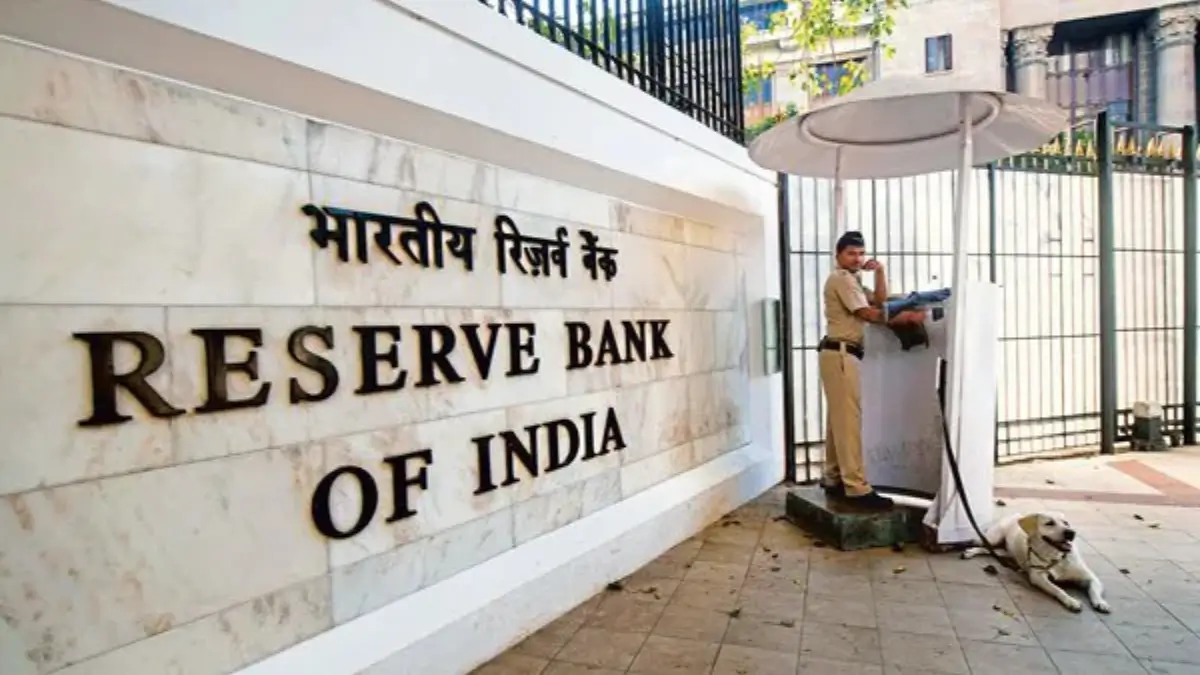
Preparing for the RBI Grade B 2026 exam requires more than just completing the syllabus and attempting mock tests regularly. Many aspirants give several mocks but fail to improve because they do not spend enough time analyzing their mistakes. Mock test analysis is the stage where actual improvement happens.
How to Analyze Mock Test Mistakes for RBI Grade B 2026 Exam
It helps candidates understand weak areas, improve accuracy, strengthen concepts, and develop better exam strategies. A proper analysis can significantly increase your performance in both Phase 1 and Phase 2 of the RBI Grade B examination.
Why Mock Test Analysis is Important
Attempting RBI Grade B Mock Tests without reviewing mistakes is like practicing without learning. Analysis helps candidates:
- Identify weak topics and sections
- Improve speed and accuracy
- Reduce repeated mistakes
- Learn better time management
- Build confidence before the actual exam
1. Maintain a Separate Mistake Log
Create a dedicated notebook, Excel sheet, or digital tracker for recording mistakes from every mock test. For each incorrect question, note down:
- The question/topic
- Your answer and the correct answer
- The reason behind the mistake
- Key concept involved
- This helps you track progress and identify patterns over time.
2. Categorize Your Mistakes
Divide your errors into categories to understand where the problem lies. Common categories include:
- Conceptual Mistakes
- These happen when the basic concept is unclear or incomplete.
- Calculation Errors
- Mistakes due to incorrect calculations, formula usage, or approximation errors.
- Careless Mistakes
- Errors caused by misreading questions, marking wrong options, or overlooking keywords.
- Time-Management Mistakes
- Questions left unanswered or solved incorrectly because of lack of time.
- Once categorized, it becomes easier to work on the exact issue.
3. Analyze Section-wise Performance
The RBI Grade B exam contains multiple sections such as:
- Quantitative Aptitude
- Reasoning Ability
- English Language
- General Awareness
- Economic & Social Issues
- Finance & Management
Check your performance section-wise after every mock. Focus on:
- Accuracy percentage
- Time spent
- Difficulty level of attempted questions
- Topics with maximum mistakes
4. Identify Repeated Errors
One of the most important steps is finding repeated mistakes. If you are continuously making errors in the same topic, it means revision alone is not enough.
For example:
- Repeated errors in Data Interpretation may indicate weak calculation speed.
- Frequent mistakes in current affairs may suggest poor revision strategy.
- Repeated confusion in Finance & Management concepts may require conceptual clarity.
- Repeated mistakes should become your highest priority during revision.
5. Check Your Time Allocation
Many candidates lose marks because they spend too much time on difficult questions. Analyze:
- Which section consumed the most time
- Which questions took unusually long
- Whether easy questions were skipped because of poor time management
- Try developing a fixed attempt strategy for future mocks.
6. Reattempt Wrong Questions
After analyzing a mock test, revisit the incorrect questions after a few days and solve them again without checking solutions.
This method helps in:
- Improving retention
- Strengthening weak concepts
- Reducing repeat mistakes in future mocks
If you still cannot solve the question correctly, revise the concept immediately.
7. Focus on Accuracy Before Attempts
In RBI Grade B, negative marking can significantly affect scores. Instead of blindly increasing attempts, work on improving accuracy.
During analysis, calculate:
- Correct attempts
- Incorrect attempts
- Accuracy percentage
8. Make a Corrective Action Plan
Mock analysis should always end with an improvement strategy. Based on your mistakes:
- Revise weak concepts
- Practice topic-wise questions
- Attempt sectional tests
- Improve calculation speed
- Read editorials and current affairs regularly
- Your preparation should evolve after every mock test.
Common Mistakes Students Make During Mock Analysis
Only checking scores instead of reviewing questions
- Ignoring easy mistakes
- Not maintaining error notes
- Repeating the same exam strategy despite poor results
- Spending too much time on solutions without understanding concepts
- Avoiding these habits can make mock tests far more productive.


Tips for RBI Grade B Mock Analysis
Understanding why mistakes happen and working systematically to correct them can dramatically improve your performance.
- Spend at least 2–3 hours analyzing every full-length mock
- Focus more on quality analysis than the number of mocks
- Review both correct and incorrect answers
- Compare performance with previous mocks
- Revise weak topics weekly
- Consistency in analysis is the key to steady improvement.





 SBI Apprentice Selection Process 2026, C...
 Central Bank of India to Open 150 Branch...
 Armed Forces Day 2026, Celebrating Coura...