
GA Capsule For SBI PO Mains 2026, Download GA Capsule for Revision

The SBI PO Mains GA Capsule 2026 is designed to help aspirants strengthen their General Awareness preparation with important updates compiled in one place. It covers key areas such as current affairs, banking and financial awareness, national and international developments, government initiatives and other topics relevant to the examination.

GA Capsule For SBI PO Mains 2026 PDF

Candidates appearing for the SBI PO Mains Exam 2026 on 12 September 2026 can use the capsule as a structured revision tool during the final phase of preparation. It can help aspirants revisit a broad range of important information, identify topics that need more attention and make their revision more systematic before the examination.

Download GA Capsule For SBI PO Mains 2026

The GA Capsule for SBI PO Mains 2026 PDF provides candidates with a concise collection of important current affairs, banking awareness, financial updates and other exam-relevant General Awareness topics. The capsule can be used alongside daily current affairs, banking awareness notes and mock tests to strengthen overall GA preparation.

Download the GA Capsule For SBI PO Mains 2026 PDF

GA Capsule for SBI PO Mains 2026: Topics Covered

The GA Capsule for SBI PO Mains 2026 covers a wide range of current affairs and General Awareness topics important from the examination perspective. The capsule is organised topic-wise, making it easier for candidates to revise national and international events, banking and economy updates, government schemes, awards, reports, sports, science and technology, and other important developments.

Contents of GA Capsule for SBI PO Mains 2026

  • Most Important Current Affairs
  • National Current Affairs
  • International Current Affairs
  • New Appointments: National & International
  • Agreements/Memorandums of Understanding
  • Banking Current Affairs
  • Economy & Business Current Affairs
  • Defence Current Affairs
  • Awards & Recognition
  • Summits, Events & Festivals
  • Lists, Indexes, Ranks & Reports
  • Books & Authors
  • Sports Current Affairs
  • Science & Technology
  • Government Schemes, Apps & Portals
  • Important Days
  • Obituaries: National & International
  • Miscellaneous Current Affairs & One-Liners
  • Static Takeaways Current Affairs

Why Should Candidates Use the GA Capsule for SBI PO Mains 2026?

The GA section can be time-efficient when candidates are familiar with the facts and developments being asked. A capsule allows aspirants to revise important information in a structured manner instead of repeatedly switching between different sources.

Candidates can use the PDF to:

  • Revise important current affairs in less time.
  • Cover important banking and financial developments.
  • Identify topics that require additional revision.
  • Make short notes from important facts.
  • Practise recalling information before the examination.
  • Complete multiple rounds of revision in the final days.

How to Use the SBI PO Mains GA Capsule 2026?

Simply downloading the PDF is not enough. Candidates should use the capsule as a revision tool and combine it with active recall and practice.

  • First Reading: Read the complete capsule once to understand the topics covered.
  • Mark Important Facts: Highlight figures, names, dates, reports, schemes and banking terms that are difficult to remember.
  • Make Short Notes: Note down only the facts that you repeatedly forget.
  • Revise Multiple Times: Revisit the capsule at regular intervals instead of reading it only once.
  • Attempt GA Quizzes: Test your retention through topic-wise and full-length quizzes.
  • Use Mock Tests: After revision, attempt SBI PO-level GA questions to check your accuracy.
SBI Clerk Backlog Vacancies 2026 Out for 1538 Posts (SC/ST/OBC), Download PDF

The State Bank of India (SBI) has announced a special recruitment drive for the Clerical Cadre to fill backlog vacancies for the post of Junior Associate (Customer Support & Sales). A total of 1,538 vacancies have been notified under this drive for eligible SC, ST, and OBC candidates. Candidates meeting the prescribed eligibility criteria can complete their registration and submit the application form within the given deadline.

SBI Clerk Recruitment 2026

Candidates who meet the prescribed eligibility conditions can apply online through the official SBI recruitment portal. To be eligible, applicants must have a graduation degree in any discipline and should be 20 to 28 years of age, subject to the applicable relaxations for reserved categories. The selection process will involve the Prelims Examination and Mains Examination, followed by the Local Language Proficiency Test (LLPT) wherever applicable.

SBI Clerk 2026: Important Dates

Events
Dates
Vacancy Release
7th August 2026
Application Starts
7th August 2026
Last Date to Apply
27th August 2026
Admit Card
September 2026
Prelims Exam Date (Expected)
26th, 27th September, 3rd October 2026
Mains Admit Card
November 2026
Mains Exam Date (Expected)
23th November 2026

SBI has also released the regular SBI Clerk Notification 2026 with 9,000+ vacancies. Unlike the special backlog drive, the regular recruitment includes vacancies across different categories and provides a separate opportunity for eligible candidates.

SBI Clerk Backlog Vacancy 2026

SBI has announced 1,538 vacancies under this special recruitment drive. These vacancies are exclusively for backlog positions belonging to SC, ST and OBC categories.

Category Wise Vacancy

Category Vacancy
SC 207
ST 1,219
OBC 112
Total 1,538

State-wise Vacancies

State/UT SC ST OBC Total Vacancies
Andhra Pradesh 88 88
Karnataka 85 35 120
Madhya Pradesh 134 134
Chhattisgarh 26 26
Odisha 111 111
Chandigarh UT 22 22
Jammu & Kashmir UT 42 42
Himachal Pradesh 11 11
Punjab 18 18
Tamil Nadu 65 65
Telangana 32 32
Rajasthan 20 86 106
West Bengal 55 55
Uttar Pradesh 31 31
Maharashtra 165 165
Delhi 17 17
Gujarat 289 289
Assam 39 39
Tripura 22 22
Bihar 12 12
Jharkhand 14 119 133
Total 207 1,219 112 1,538

Who Cannot Apply for SBI Clerk Special Drive 2026?

The SBI Clerk Special Recruitment Drive 2026 is only for SC, ST and OBC backlog vacancies. The following candidates are not eligible:

  • General/UR candidates cannot apply.
  • Candidates currently working in the SBI clerical cadre cannot apply.
  • Candidates who previously resigned from the SBI clerical cadre are not eligible.
  • Candidates cannot apply for more than one State/UT.
  • Candidates failing to meet the prescribed local language requirement, wherever applicable, may not be considered.

Note: General/UR candidates cannot apply even if they meet the age and educational eligibility criteria.

SBI Clerk 2026 Application Form

The SBI Clerk Special Recruitment 2026 application window is nearing its closing date, with 27 August 2026 being the last day to apply online. Candidates who are yet to register should complete the application process and fee payment before the deadline to avoid missing the recruitment opportunity. Applicants should also verify all the details entered in the form carefully before final submission.

How to Apply for SBI Clerk Special Drive 2026?

Candidates can apply for the SBI Clerk Special Recruitment Drive 2026 through the online application process. Follow these steps:

  • Visit the official SBI website and open the current recruitment section.
  • Select the SBI Clerk Special Recruitment Drive 2026 application link.
  • Complete the online registration using your basic details and valid contact information.
  • Select one State/UT for which you want to apply.
  • Fill in your personal, educational, and category details carefully.
  • Upload the required documents, including a photograph, signature, left thumb impression and handwritten declaration in the prescribed format.
  • Complete the required live photograph capture through webcam/mobile.
  • Pay the applicable application fee.
  • Preview the application carefully and submit it.
  • Download and save the application form and fee receipt for future reference.

SBI Clerk Application Fee 2026

The application fee varies according to the candidate’s category:

  • SC/ST/PwBD/Ex-servicemen/Disabled Ex-servicemen: No fee
  • OBC: ₹750

Local Language Test Rules Explained

The Local Language Proficiency Test (LLPT) is an important part of the SBI Clerk Special Recruitment Drive 2026 for candidates who do not meet the language exemption criteria. Candidates should carefully check the language prescribed for their selected State/UT before submitting the application.

  • Candidates must be proficient in the specified local language of the State/UT selected.
  • Candidates who studied the required language in Class 10th or 12th and have valid proof may be exempted from the LLPT.
  • Candidates who cannot provide the required language certificate may have to appear for the LLPT.
  • The test may assess the candidate’s ability to read, write, speak and understand the prescribed language.
  • Candidates who fail to qualify the LLPT, wherever applicable, may not be considered for appointment.
  • Therefore, candidates should verify the local language requirement before choosing a State/UT in the application form.

Documents Required for Application

Candidates must keep the required documents ready at different stages of the SBI Clerk recruitment process. The photograph, signature, thumb impression, and handwritten declaration must be uploaded in the prescribed format.

Document Specifications
Photograph Recent colour passport-size photo, 4.5 × 3.5 cm, 200 × 230 pixels, 20–50 KB
Live Photograph Real-time photo through webcam or mobile, mandatory
Signature Black ink on white paper, 140 × 60 pixels, 10–20 KB; not in capital letters
Left Thumb Impression Black/blue ink on white paper, 240 × 240 pixels, 20–50 KB
Handwritten Declaration English, black ink, prescribed text, 800 × 400 pixels, 50–100 KB

SBI Clerk 2026 Local Language Requirement: Important Details

Candidates applying for the SBI Clerk Special Recruitment Drive 2026 must have proficiency in the local language of the State/UT they select. Candidates who have studied the specified local language in Class 10th or 12th and can produce the relevant marksheet/certificate are generally exempted from appearing in the Local Language Proficiency Test (LLPT).

This is an important eligibility condition that candidates should check before applying.

States/UTs With Multiple Language Options. Some States/UTs provide more than one language option, giving candidates greater flexibility:

  • Jammu & Kashmir: Urdu/Hindi
  • Punjab: Punjabi/Hindi
  • Andhra Pradesh: Telugu/Urdu
  • Telangana: Telugu/Urdu
  • Assam: Assamese/Bengali/Bodo
  • Tripura: Bengali/Kokborok
  • West Bengal: Bengali/Nepali
  • Jharkhand: Hindi/Santhali
  • Bihar: Hindi/Urdu
  • Chandigarh: Hindi/Punjabi

Important: Candidates should select a State/UT only after checking its prescribed language requirement, as failure to qualify the LLPT, wherever applicable, can affect their appointment.

How Is SBI Clerk Special Drive Different From Regular Recruitment?

The SBI Clerk Special Backlog Drive 2026 is conducted to fill reserved vacancies left vacant from previous recruitment cycles, while regular SBI Clerk recruitment is conducted to fill fresh vacancies.

Aspect Special Backlog Drive Regular Recruitment
Purpose Fill previous backlog vacancies Fill fresh vacancies
Eligible Categories Only SC, ST & OBC UR, EWS, OBC, SC, ST & others as applicable
General Candidates Cannot apply Can apply
Vacancies 1,538 backlog posts Varies each year
Selection Prelims, Mains & LLPT Prelims, Mains & LLPT
Salary Same as regular SBI Clerk Same

SBI Clerk Selection Process 2026

The selection process will consist of three stages:

  • Prelims Exam
  • Mains Exam
  • Local Language Proficiency Test (LLPT), wherever applicable

NICL Assistant Admit Card 2026 Out, Download Prelims Call Letter PDF

The NICL Assistant Admit Card 2026 is now available for download for candidates appearing in the Phase-I Preliminary Examination. The exam is scheduled for 27 August 2026, with only 2 days left for candidates to prepare and reach their allotted examination centres. The recruitment aims to fill 500 Assistant (Class III) vacancies across India.

NICL Assistant Admit Card 2026 Out

Candidates can now download their NICL Assistant Prelims Admit Card 2026 and check their examination centre, reporting time, shift, and other important instructions. The admit card is mandatory for entry into the examination hall and must be carried along with the required original photo ID proof.

NICL Assistant Call Letter 2026: Overview

Particular Details
Organization
National Insurance Company Limited
Post Assistant
Vacancy 500
Admit Card Released
Admit Card Release Date 20 August 2026
Phase-I Exam Date 27 August 2026
Exam Mode Online
Admit Card Status Available
Selection Process
Phase-I, Phase-II & Regional Language Test
Official Website
nationalinsurance.nic.co.in

NICL Assistant Exam Shifts and Timing

Exam Date Shift Reporting Time Gate Closure Time Exam Time
August 27, 2026 Shift 1 (Morning) 07:30 AM 08:30 AM 09:00 AM – 10:00 AM
August 27, 2026 Shift 2 (Afternoon) 10:00 AM 10:30 AM 11:00 AM – 12:00 PM

Reach the centre at least an hour before reporting time; gates close strictly at the listed time.

NICL Assistant Prelims Admit Card PDF Download Link

Candidates need their registration/roll number and password or date of birth to log in and download the call letter from the official NICL recruitment portal.

How to Download the NICL Assistant Prelims Admit Card 2026?

Candidates can follow these simple steps to download their hall ticket:

  • Visit the official National Insurance Company Limited website.
  • Open the Recruitment/Careers section.
  • Look for the link titled NICL Assistant Call Letter 2026.
  • Click on the admit card download link.
  • Enter the required login credentials.
  • Submit the details.
  • Your NICL Assistant Prelims Admit Card 2026 will appear on the screen.
  • Check all the details mentioned on the call letter.
  • Download and save the admit card.
  • Take a clear printout for the examination day.

Documents to Carry to the NICL Assistant Exam Center?

  • Printed copy of the NICL Assistant Admit Card 2026
  • One original, valid photo ID (same name as on the application form)
  • One photocopy of the same photo ID

Valid ID Proofs

The notification lists documents such as

  • PAN Card
  • Passport
  • Permanent Driving License
  • Voter’s Card
  • Bank passbook with photograph
  • Aadhaar Card/e-Aadhaar Card with photograph
  • Employee ID
  • Valid recent ID issued by a recognized College/University
  • Bar Council Identity Card with photograph
  • Photo ID issued by a gazetted officer
  • Photo ID issued by a People’s Representative, as specified

Details Mentioned on the NICL Assistant Prelims Admit Card 2026 PDF

The NICL Assistant Call Letter 2026 contains important information that candidates must verify before appearing for the examination. Candidates should check the following details carefully:

  • Candidate’s name and photograph
  • Roll number/registration number
  • Exam date and shift
  • Reporting time and exam timing
  • Exam center name and complete address
  • Candidate’s signature and other identification details
  • Important instructions for the examination day

NICL Assistant Phase 1 Exam Pattern 2026

The NICL Assistant Phase-I examination carries 100 questions for 100 marks and is conducted for a total duration of 60 minutes. The paper is divided into three sections:

English Language: 30 questions for 30 marks, with 20 minutes allotted.
Reasoning Ability: 35 questions for 35 marks, with 20 minutes allotted.
Quantitative Aptitude: 35 questions for 35 marks, with 20 minutes allotted.

Key Points of the Exam Pattern

  • Each section has a separate 20-minute time limit.
  • The total number of questions is 100, carrying 100 marks.
  • Candidates get 60 minutes to complete the Phase-I examination.
  • Candidates should focus on both speed and accuracy because of the sectional time limit.
  • The prescribed section-wise minimum qualifying marks must also be secured.

NICL Assistant Exam Centers 2026

The NICL Assistant Phase-I examination will be conducted at various cities across India. The provisional examination centres are divided into different zones, including East 1, East 2, North 1, North 2, North 3, North 4, South 1, South 2, West 1, and West 2. Candidates can check the major exam cities below:

Zone States/UTs Major Exam Centres
East 1 Bihar, Jharkhand, Odisha Patna, Gaya, Ranchi, Jamshedpur, Bhubaneswar, Cuttack, Rourkela
East 2 Andaman & Nicobar, Arunachal Pradesh, Assam, Manipur, Meghalaya, Mizoram, Nagaland, Tripura, West Bengal, Sikkim Port Blair, Guwahati, Imphal, Shillong, Aizawl, Dimapur, Agartala, Kolkata, Siliguri, Gangtok
North 1 Delhi, Haryana, Uttar Pradesh New Delhi, Faridabad, Gurugram, Ghaziabad, Meerut, Noida
North 2 Uttar Pradesh, Uttarakhand Agra, Lucknow, Kanpur, Prayagraj, Varanasi, Bareilly, Dehradun, Haldwani, Roorkee
North 3 Rajasthan Ajmer, Bikaner, Jaipur, Jodhpur, Kota, Sikar, Udaipur
North 4 Haryana, Himachal Pradesh, Jammu & Kashmir, Punjab, Ladakh Ambala, Hamirpur, Jammu, Srinagar, Amritsar, Patiala, Leh, Kargil
South 1 Andhra Pradesh, Karnataka, Telangana Guntur/Vijayawada, Visakhapatnam, Bengaluru, Mysuru, Hyderabad, Warangal
South 2 Kerala, Puducherry, Tamil Nadu, Lakshadweep Ernakulam, Thiruvananthapuram, Chennai, Coimbatore, Madurai, Puducherry, Kavaratti
West 1 Goa, Gujarat, Maharashtra Panaji, Ahmedabad/Gandhinagar, Surat, Mumbai/Navi Mumbai/Thane, Pune, Nagpur, Nashik
West 2 Chhattisgarh, Madhya Pradesh Raipur, Bhilai, Bhopal, Indore, Jabalpur, Satna, Ujjain, Sagar

Time Management Tips for the NICL Assistant Exam Day

  • Read the instructions carefully before starting the exam.
  • Since each section has a fixed time limit, avoid spending too much time on a single question.
  • Attempt the questions you are most confident about first and return to difficult ones if time permits.
  • Maintain a balance between speed and accuracy to avoid losing marks through incorrect attempts.
  • Keep a close watch on the sectional timer throughout the examination.
  • Stay calm if a section feels difficult and focus on maximizing your score from the questions you can solve.

Last Week’s Revision Strategy for NICL Assistant Phase 1 2026

  • Focus on revision rather than learning completely new topics during the final week.
  • Revise important formulas, grammar rules, shortcut techniques, and frequently used concepts.
  • Attempt full-length and sectional mock tests to improve speed and exam-day time management.
  • Analyze every mock test to identify recurring mistakes and weak areas.
  • Practice questions from topics where you are losing marks repeatedly.
  • Keep the final day for light revision and avoid taking unnecessary stress before the examination.
Related Posts
NICL Assistant Cutoff NICL Assistant Salary

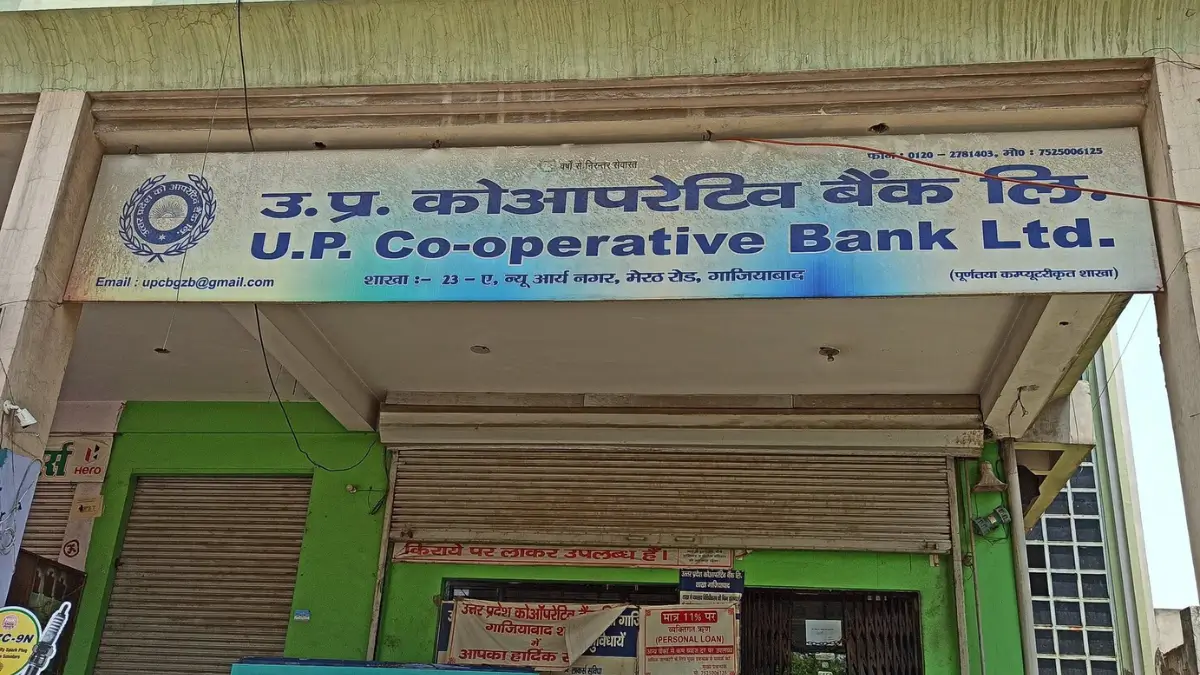
UP Cooperative Bank Exam Date 2026 Out, Check Exam Schedule

The UP Cooperative Bank Exam Date 2026 has been released by the Uttar Pradesh Co-operative Institutional Service Board (UPCISB), giving candidates a clear timeline for the upcoming online examination. The recruitment is being conducted under the Combined Cooperative Banking and Technical Service Examination (Special Selection) 2026.

UP Cooperative Bank Exam Date 2026 Out

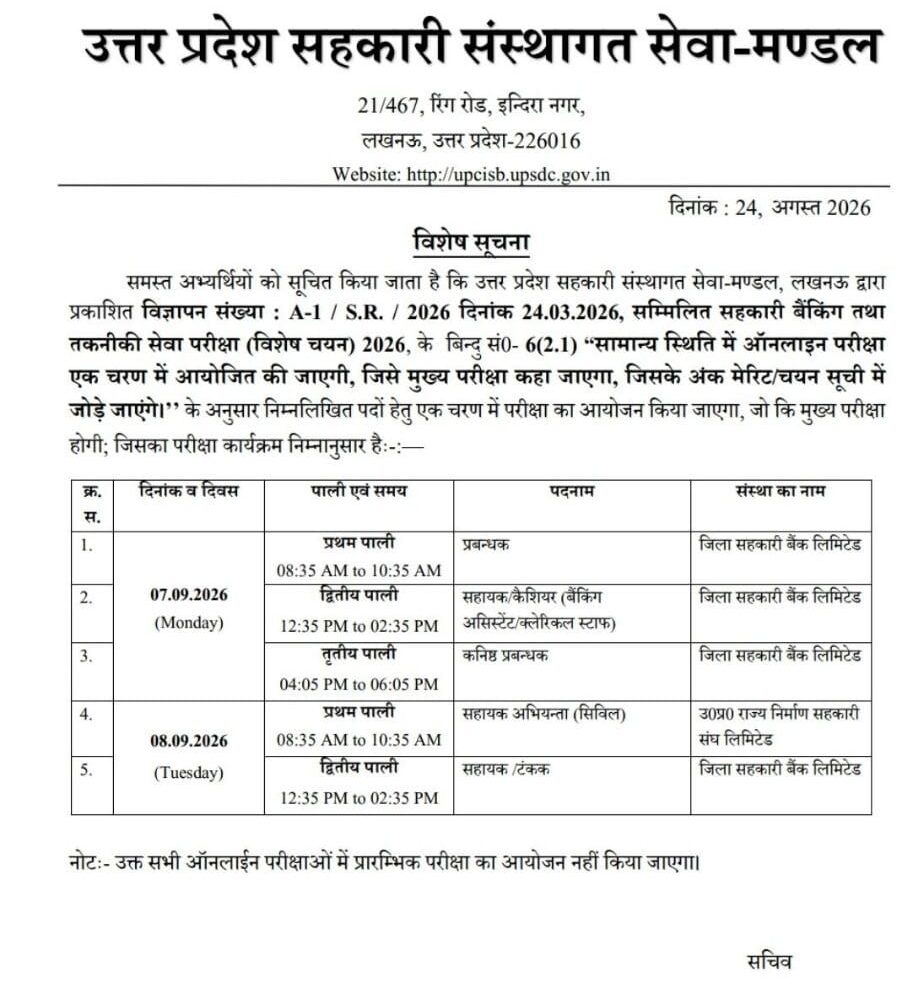
As per the notice issued on 24 August 2026, the examination will be conducted on 07 and 08 September 2026. Candidates shortlisted for the Special Selection recruitment should check their respective post, examination shift and timing carefully, as the test will be conducted in multiple shifts. The schedule includes Manager, Assistant/Cashier, Junior Manager, Assistant Engineer (Civil), and Assistant/Typist posts.

Home_6.1

Note: The attached notice is issued under Advertisement No. A-1/S.R./2026, which is the Special Selection recruitment.

UP Cooperative Bank Exam Schedule 2026

The UP Cooperative Bank Exam Schedule 2026 mentions the post-wise exam dates, shifts and timings. Candidates can check the table below for the complete schedule and plan their exam-day arrangements accordingly.

Exam Date Shift Exam Timing Post Institution
07 September 2026 Shift 1 08:35 AM to 10:35 AM Manager District Cooperative Bank Limited
Shift 2 12:35 PM to 02:35 PM Assistant/ Cashier (Banking Assistant/ Clerical Staff) District Cooperative Bank Limited
Shift 3 04:05 PM to 06:05 PM Junior Manager District Cooperative Bank Limited
08 September 2026 Shift 1 08:35 AM to 10:35 AM Assistant Engineer (Civil) U.P. Rajya Nirman Sahkari Sangh Limited
Shift 2 12:35 PM to 02:35 PM Assistant/ Typist District Cooperative Bank Limited

When will the UP Cooperative Bank Admit Card be Released?

The UP Cooperative Bank Admit Card 2026 has not been released yet. As the examination is scheduled for 07 and 08 September 2026, the admit card is expected to be issued around 7–10 days before the examination. Candidates should regularly check the official UPCISB website for the admit card link and download it as soon as it is available.

The admit card will contain important details such as the exam date, shift, reporting time, examination centre, roll number and exam-day instructions. Candidates should carry a printed copy of the admit card along with a valid photo ID to the examination centre.

UPSCIB Exam Pattern 2026

The online Main Examination format prescribed for the UPCISB recruitment includes 120 questions carrying 200 marks, with a total duration of 120 minutes for the applicable posts.

Section Questions Marks
Reasoning Ability/Mental Ability 20 40
Numerical Ability/Quantitative Aptitude 20 40
Computer Language 20 40
Language – Hindi & English 20 40
General Awareness 20 20
Cooperative 20 20
Total 120 200

What Should Candidates Do Now?

  • Download the admit card when released.
  • Check the examination centre and reporting instructions.
  • Carry the required original photo ID.
  • Keep a printed copy of the admit card ready.
  • Reach the examination centre well before the reporting time.
  • Revise important Reasoning, Quantitative Aptitude, Computer, Language, General Awareness and Cooperative topics.
  • Avoid relying on unofficially circulated examination dates.

CCI Admit Card 2026 Out @cotcorp.org.in, Download Hall Ticket PDF

The Cotton Corporation of India (CCI) has released the CCI Admit Card 2026 on 25 August 2026 for candidates appearing in the recruitment examination. Registered candidates can download their hall ticket online from the official website. The CCI exam is scheduled for 1 September 2026.

CCI Admit Card 2026 Out

The CCI Admit Card 2026 mentions important details such as the exam date, centre, reporting time, and exam-day instructions for the post of Junior Assistant, Assistant Manager, Management Trainee & More. Candidates must download and carry a printed copy of the admit card to the examination centre. The admit card will not be sent through post.

CCI Hall Ticket 2026: Overview

Particulars Details
Recruitment Organization Cotton Corporation of India (CCI)
Post Name Junior Assistant, Assistant Manager, Management Trainee & More
Total Vacancies 148
Advertisement No. DR/CCI/2026
Category Admit Card
Exam Mode Computer-Based Test (CBT)
Admit Card Release Date 25 August 2026
Exam Date 01 September 2026
Official Website cotcorp.org.in

CCI Admit Card 2026 PDF Download Link

Candidates can download the CCI Admit Card 2026 through the official Cotton Corporation of India website. The CCI Recruitment 2026 notification specifies that candidates must download the admit card online, and no hard copy will be provided through post or any other means.

How to Download the CCI Hall Ticket 2026 PDF?

Candidates can follow the steps below to download their CCI hall ticket:

  1. Visit the official website of the Cotton Corporation of India.
  2. Go to the Recruitment section.
  3. Look for the CCI recruitment admit card link.
  4. Click on the link to download the e-Admit Card.
  5. Enter the required login details.
  6. Submit the details.
  7. Your CCI Admit Card will appear on the screen.
  8. Download and save the admit card.
  9. Take a clear printout to carry to the examination centre.

CCI Exam Schedule & Shift Timing 2026

The CCI recruitment examination will be conducted on 1 September 2026 in two shifts, with each shift lasting 2 hours. Candidates must report to the examination centre as per the timing mentioned on their admit card.

  • Shift 1 (Morning): Reporting Time – 8:30 AM | Exam Time – 9:30 AM to 11:30 AM
  • Shift 2 (Afternoon): Reporting Time – 1:30 PM | Exam Time – 2:30 PM to 4:30 PM

Details Mentioned on CCI Hall Ticket 2026

After downloading the admit card, candidates should carefully verify all the details printed on it. In particular, check:

  • Candidate’s name
  • Roll number/registration details
  • Photograph and signature
  • Post applied for
  • Examination date
  • Examination centre
  • Venue address
  • Reporting time
  • Examination timing
  • Important examination-day instructions

What If There Is an Error in the CCI Admit Card 2026?

Candidates should carefully check their CCI Admit Card 2026 after downloading it. If they find any incorrect or mismatched information, they should contact the CCI recruitment authorities immediately and get the issue clarified before the examination date.

  • Check details such as name, photograph, roll number, exam date, centre, and reporting time.
  • Do not make any handwritten changes or alterations to the admit card.
  • Contact the concerned CCI recruitment authority through the official contact details provided in the recruitment notification.
  • Keep the application details and supporting documents ready while reporting an error.
  • Candidates should resolve discrepancies before the exam to avoid any difficulty at the examination centre.

Documents to Carry to the CCI Exam Centre

Candidates should read the instructions on their admit card carefully and carry the documents required for the examination. Most importantly, the CCI notification states that candidates will not be allowed to appear for the computer-based test without the e-Admit Card and a valid Government photo ID proof. Candidates are advised to keep photocopies of these documents for future reference.

CCI Exam Centres 2026

As mentioned in the recruitment notification, the examination cities include

  • Mumbai/Navi Mumbai
  • Hyderabad
  • New Delhi
  • Chennai
  • Lucknow
  • Chandigarh
  • Kolkata
  • Bengaluru
  • Ahmedabad
  • Patna
  • Jaipur

The exact examination centre and venue address will be mentioned on the candidate’s admit card.

CCI Exam Day Instructions

Candidates should be particularly careful about prohibited items. CCI has stated that mobile phones, pagers, smartwatches, Bluetooth devices, cameras, pen drives, and other electronic or communication devices are prohibited inside the examination hall. Candidates are also advised not to bring valuable items to the examination hall because safe-keeping arrangements cannot be assured by CCI.

IBPS PO Prelims Expected Cut Off 2026: Check Category-Wise Expected Cut Off Marks

Now that the IBPS PO Prelims exam is over, candidates are eager to know the expected cutoff based on the overall difficulty level, number of good attempts, and shift-wise exam trends. The IBPS PO Prelims Expected Cut Off 2026 will help candidates assess their performance and get an idea of ​​whether they will be able to qualify for the Mains exam. The official cutoff will be announced by IBPS along with the Prelims result.

IBPS PO Prelims Expected Cut Off 2026

The IBPS PO Prelims Expected Cut Off 2026 is prepared by considering factors such as the difficulty level of the examination, candidates’ overall attempts, vacancies, and previous years’ cutoff trends. Since the exam was conducted across different shifts, the expected cutoff may vary depending on the overall performance of candidates.

IBPS PO Prelims Category-wise Expected Cut Off 2026

The expected marks can help aspirants understand the level of competition and plan their preparation strategy for the upcoming IBPS PO Mains Exam. Based on the initial assessment of the examination and the expected level of competition, the category-wise cutoff can be estimated in the following range.

Category Expected Cut Off 2026
General 46–50
EWS 46–50
OBC-NCL 46–50
SC 43–48
ST 38–43
HI 17–23
OC 31–36
VI 18–24
ID 18–24

Note: These are expected ranges, not official cutoffs. The final IBPS PO Prelims cutoff will be released by IBPS along with the result and may differ because of normalization and the performance of candidates across all shifts.

Factors Affecting IBPS PO Cut Off 2026

Several factors play an important role in determining the IBPS PO Cut Off 2026. The major factors include:

  • Difficulty Level of the Exam: A tougher paper may result in a lower cutoff, while an easier paper can lead to a higher cutoff.
  • Number of Vacancies: A higher number of vacancies may reduce the competition and influence the cutoff accordingly.
  • Number of Candidates Appearing: The total number of candidates taking the examination affects the level of competition.
  • Overall Performance: The average performance of candidates across shifts can significantly impact the cutoff.
  • Shift-Wise Difficulty: If there are variations in difficulty levels between shifts, IBPS may apply the normalization process while preparing scores.
  • Previous Year Cutoff Trends: Previous years’ sectional and overall cutoffs provide a useful reference for estimating the expected cutoff.
  • Normalization of Scores: Since the exam is conducted in multiple shifts, normalized scores are considered while deciding the qualifying marks.

IBPS PO Prelims Cut Off 2026: What Does Your Score Mean?

Candidates can compare their estimated marks with the expected range to get an initial idea of their chances. However, being close to the expected cutoff should not be treated as a definite indication of qualification because the actual cutoff can move after IBPS considers the performance across all shifts.

Estimated Score
Initial Assessment
60+ Strong position
55–59 Good position
50–54
Borderline to competitive
45–49
Depends heavily on category and normalization
40–44
Qualification may be difficult for some categories
Below 40
Chances depend significantly on category and final cutoff

IBPS PO Prelims Cut Off: Why It Can Change After Day 1

The cutoff estimate is based on the overall candidate feedback received from all shifts conducted on 22 and 23 August 2026. With the complete examination now concluded, the expected cutoff range provides a more comprehensive indication of the likely qualifying marks.

  • Shift 1 performance alone does not determine the final cutoff.
  • Questions can vary in difficulty across shifts.
  • Candidate feedback from subsequent shifts can change the overall difficulty assessment.
  • Normalization can affect candidates’ final scores.
  • Category-wise competition also affects the qualifying marks.

IBPS PO Prelims Cut Off 2026: Expected vs Previous Year Cut Off

The expected IBPS PO Prelims Cut Off 2026 can be better understood by comparing it with the actual cutoffs of previous years. In 2025, the General, OBC-NCL, and EWS cutoff was 49.21 marks, while the SC and ST cutoffs were 45.96 and 40.96 marks, respectively. In 2024, the General, OBC-NCL, and EWS cutoff stood at 48.50 marks, while the SC and ST cutoffs were 48.00 and 41.00 marks.

Category 2024 Cut Off 2025 Cut Off 2026 Expected Cut Off
General 48.5 49.21 46–50
EWS 48.5 49.21 46–50
OBC-NCL 48.5 49.21 46–50
SC 48 46 43–48
ST 41 41 38–43
HI 16 21 17–23
OC 35 33.57 31–36
VI 15.75 21.65 18–24
ID 15.5 21.83 18–24

IBPS PO Prelims 2026: Overall Exam Trend and Difficulty Level

The IBPS PO Prelims 2026 exam was conducted on 22 and 23 August 2026 in multiple shifts. Based on the overall shift-wise feedback, the examination was largely moderate in difficulty, with some variation in the level of questions across shifts. The overall trend can be understood through the following key points:

  • Overall Difficulty: The paper was broadly moderate, with candidates needing a good balance of speed, accuracy, and question selection.
  • English Language: The section was generally manageable, with questions based on topics such as Reading Comprehension, Cloze Test, Error Detection, and other grammar and vocabulary-based areas.
  • Reasoning Ability: The section was mostly moderate and included puzzles, seating arrangement, syllogism, inequality, coding-decoding, and other reasoning topics. Candidates with strong puzzle-solving skills were able to attempt a good number of questions.
  • Quantitative Aptitude: Quant was comparatively time-consuming in several shifts due to calculation-intensive questions and data interpretation sets. Proper time management played an important role in maximising attempts.
  • Good Attempts: The number of good attempts varied across shifts depending on the difficulty level and candidates’ accuracy. Therefore, good attempts should be considered along with the expected cutoff rather than as an independent measure.
  • Shift-Wise Variation: Since the examination was held in multiple shifts, differences in the difficulty level of questions may affect candidates’ raw scores. IBPS may use the normalization process while preparing the final scores.
  • Overall Competition: With a large number of candidates appearing for the examination, candidates with higher accuracy and scores comfortably above the expected cutoff are likely to have a better chance of qualifying for the Mains stage.
  • Cutoff Impact: The final cutoff will depend on factors such as vacancies, candidate performance, difficulty level, normalization, and category-wise competition. Hence, the current expected cutoff should be treated only as an indicative range.
Related Posts
IBPS PO Cut Off IBPS PO Salary

IBPS PO Prelims Memory Based Paper 2026, Download PDF

The IBPS PO Prelims Exam 2026 was conducted on 22 and 23 August 2026 and the examination is now over. Candidates preparing for upcoming IBPS, SBI, and other banking exams can use the IBPS PO Prelims Memory Based Paper 2026 to practise exam-level questions, understand the latest question pattern and strengthen their preparation for similar examinations.

IBPS PO Prelims Memory Based Paper 2026

The IBPS PO Prelims Memory Based Paper 2026 includes questions from English Language, Quantitative Aptitude, and Reasoning Ability. Candidates preparing for upcoming banking exams can use these questions to practise similar concepts and get familiar with the latest exam trends. The section-wise questions, topics, difficulty level, good attempts and answers are provided below.

IBPS PO Prelims Exam Analysis 22 August 2026 Shift 1

IBPS PO Prelims Exam Analysis 22 August 2026 Shift 2

IBPS PO Prelims Exam Analysis 22 August 2026 Shift 3

IBPS PO Prelims Exam Analysis 23 August 2026 Shift 1

IBPS PO Prelims Exam Analysis 23 August 2026 Shift 2

IBPS PO Prelims Memory Based Paper 22 August 2026 PDF

Candidates can download the IBPS PO Prelims Memory Based Paper 2026 PDF from the link provided below. The PDF will contain the questions recalled from different shifts along with answers wherever available.

IBPS PO Memory Based Paper 2026
IBPS PO Prelims Memory Based Paper 2026, 22 August 2026 Download Here
Download Here

IBPS PO Prelims Memory Based Paper 23 August 2026 PDF

Candidates can download the IBPS PO Prelims Memory Based Paper 2026 PDF from the link provided below. The PDF will contain the questions recalled from different shifts along with answers wherever available.

IBPS PO Memory Based Paper 2026
IBPS PO Prelims Memory Based Paper 2026, 23 August 2026 Download Here

Why Is IBPS PO Prelims Memory Based Paper 2026 Important?

  • The IBPS PO Prelims Memory Based Paper 2026 is important for candidates because it provides a practical picture of the questions asked in the actual examination. Since the paper is reconstructed from the feedback of candidates who appeared in different shifts, it helps aspirants understand the latest question trends and difficulty level.
  • Candidates can use the memory-based paper to compare their attempts, verify questions they remember, and identify the topics that received significant weightage in the IBPS PO Prelims 2026 examination.
  • It is particularly useful for candidates preparing for upcoming banking examinations, as the questions and topics asked in IBPS PO can provide an indication of the level and pattern of questions expected in similar exams.

Benefits of Solving IBPS PO Prelims Memory Based Paper 2026

There are several benefits of going through the IBPS PO Prelims Memory Based Questions 2026:

1. Understand the Actual Exam Level : The memory-based paper helps candidates understand whether the questions asked in the examination were easy, moderate or difficult and how the actual paper compared with their preparation level.

2. Identify Important Topics : By analysing the questions, candidates can identify the topics that received greater weightage in English Language, Quantitative Aptitude and Reasoning Ability.

3. Analyse Your Performance : Candidates can compare the questions they attempted with the memory-based questions and estimate their number of correct and incorrect attempts.

4. Improve Time Management : The paper helps candidates understand which topics consumed more time. This can help them develop a better section-wise time-management strategy for future banking examinations.

5. Understand Shift-Wise Variations : IBPS PO Prelims is conducted in multiple shifts. The memory-based paper allows candidates to compare the difficulty level and question types across different shifts.

6. Prepare for Upcoming Banking Exams : The questions asked in IBPS PO Prelims can be useful for candidates preparing for other banking examinations such as SBI PO, IBPS Clerk, IBPS SO and other bank recruitment exams, as several concepts and question types overlap.

7. Identify Your Weak Areas  : While analysing the paper, candidates can note the questions they could not solve or topics they found difficult. This helps them focus their preparation on specific weak areas.

How to Use IBPS PO Memory Based Paper 2026 for Preparation?

The memory-based paper can be used as a practice resource to make preparation more exam-oriented. Candidates can follow these approaches:

  • Attempt it like a mock test: Solve the paper within the prescribed time without checking the answers in between.
  • Review your mistakes: Analyse incorrect and unanswered questions to understand where you are losing marks.
  • Note recurring concepts: Mark question types and concepts that appear frequently across sections.
  • Practise calculation speed: Use Quantitative Aptitude questions to improve accuracy and reduce solving time.
  • Build a revision list: Record difficult topics and revise them regularly before the next banking examination.
  • Use it for exam-specific practice: Practise the questions again after a gap to check whether your accuracy and speed have improved.
Related Posts
IBPS PO Cut Off IBPS PO Salary

SBI Apprentice Result 2026 Out @sbi.co.in, 6,867 Candidates Qualified

The State Bank of India has announced the SBI Apprentice Result 2026 on 25 August 2026 for candidates who appeared in the online exam held on 11 July 2026. The result is available in PDF format, allowing candidates to verify their roll numbers and qualification status. The recruitment covers 7,150 Apprentice posts across various SBI circles.

SBI Apprentice Result 2026 Out

Candidates can now use the released merit list to confirm whether they have been selected for the next stage of the recruitment process. Shortlisted candidates will need to have their required certificates and language documents ready for the upcoming stage, as per SBI’s requirements.

SBI Apprentice Result 2026: Overview

Particulars Details
Organization State Bank of India (SBI)
Recruitment SBI Apprentice Recruitment 2026
Post Name Apprentice
Total Vacancies 7,150
Total Qualified Candidates
6,867
Exam Date 11 July 2026
Result Status Released
Result Released Date 25 August 2026
Result Mode PDF
Selection Process Online Exam, Local Language Test, Document Verification
SBI Apprentice Cut Off 2026 Out
Official Website sbi.co.in

SBI Apprentice Result 2026 PDF Download Link

The SBI Apprentice Result 2026 is available on the SBI Careers website. Candidates can download the result PDF and search for their roll number using the Ctrl + F shortcut to know whether they have qualified for the next stage. Below, we have mentioned the merit list PDF direct download link.

How to Download SBI Apprentice Merit List 2026 PDF?

Candidates can follow the steps below to check their result:

  1. Visit the SBI Careers website.
  2. Click on the Current Openings section.
  3. Find the link for SBI Apprentice Result 2026.
  4. Download the Result PDF.
  5. Open the PDF and press Ctrl + F.
  6. Enter your Roll Number or Registration Number.
  7. If your roll number appears in the list, you have qualified for the next stage.

SBI Apprentice Qualifying Marks

Category Qualifying Percentage Minimum Marks 
General / Unreserved (UR) 60% Aggregate 60 Marks
EWS 60% Aggregate 60 Marks
OBC (Non-Creamy Layer) 55% Aggregate 55 Marks
Scheduled Caste (SC) 50% Aggregate 50 Marks
Scheduled Tribe (ST) 50% Aggregate 50 Marks
Persons with Disabilities (PwD) 50% Aggregate 50 Marks

6,867 Candidates Qualified for 7,150 Vacancies

The SBI Apprentice recruitment process was conducted for a total of 7,150 vacancies across different states and union territories. As per the result, 6,867 candidates have qualified for the next stage of the selection process. Candidates who appeared for the examination can check their qualifying status through the SBI Apprentice Result 2026.

Details Mentioned in SBI Apprentice Result 2026 PDF

The result PDF generally contains the following information:

  • Candidate’s Full Name
  • Roll Number and Registration Number
  • Category (General / OBC / SC / ST / EWS) State / Circle Applied For
  • Sectional & Overall Marks Obtained (in Scorecard view)
  • State-wise Cut-off Marks
  • Qualifying Status for Local Language Test (LLT)

What After SBI Apprentice Result 2026?

  • Candidates who have qualified in the online examination will now appear for the Local Language Proficiency Test (LPT). This test evaluates whether candidates can read, write, speak, and understand the local language of the state or union territory for which they have applied.
  • Candidates who have studied the specified local language in Class 10 or Class 12 may be exempted from the language test, subject to verification of educational certificates. After clearing the LPT, shortlisted candidates will undergo document verification before the final selection.

SBI Apprentice Selection Process 2026

The selection process consists of the following stages:

  • Online Written Examination
  • Local Language Proficiency Test (LPT)
  • Document Verification
  • Final Selection

Selection is Provisional

The selection of candidates shortlisted in the SBI Apprentice Result 2026 is provisional and will be confirmed only after fulfilling the prescribed conditions. Candidates must satisfy the following requirements:

Qualify the Proficiency Test: Candidates must qualify the proficiency test in the respective local language(s).
Fulfil Eligibility Criteria: Candidates must meet all eligibility requirements and conditions mentioned in Advertisement No. CRPD/APPR/2026-27/07 dated 19 May 2026.
Correctness of Information: The information provided by candidates during the registration process must be correct and verifiable.

What Happens After Document Verification?

After document verification, SBI checks the eligibility and authenticity of the shortlisted candidates. Candidates who satisfy all the prescribed conditions and complete the required formalities can proceed towards engagement as apprentices.

  • Verification of educational and other eligibility documents
  • Confirmation of category and local language details, wherever applicable
  • Final checks of the candidate’s submitted information
  • Completion of joining and apprenticeship-related formalities
  • Engagement of eligible candidates as per SBI’s requirements

Documents Required for Verification

Candidates should keep the following documents ready for verification:

  • SBI Apprentice Admit Card
  • Result PDF
  • Graduation Degree/Mark Sheets
  • Class 10 and 12 Certificates
  • Valid Photo Identity Proof
  • Category Certificate (if applicable)
  • PwBD Certificate (if applicable)
  • Local Language Proof
  • Passport-size Photographs

IBPS RRB Clerk Salary 2026, Check Office Assistant Pay Scale, Job Profile

The IBPS RRB Clerk Salary 2026 is an important factor for candidates considering a career as an Office Assistant in Regional Rural Banks. Along with a basic pay of ₹24,050 per month, employees receive various allowances and benefits that contribute to their overall earnings. The role also offers job stability, regular increments, and opportunities for career growth within the banking sector.

IBPS RRB Clerk Salary 2026

The compensation package for an IBPS RRB Clerk is much higher than the fixed basic pay. An Office Assistant’s basic salary is ₹24,050 per month, and additional components like allowances bring the monthly gross earnings to approximately ₹37,000. After standard deductions, including NPS contributions and applicable taxes, candidates can expect an in-hand salary of approximately ₹34,000–₹35,000 per month.

IBPS RRB Clerk Salary Structure 2026

The IBPS RRB Clerk salary includes a fixed basic pay along with various salary components and applicable deductions. The following table provides a clear breakup of the monthly earnings and deductions for the post of Office Assistant.

IBPS RRB Clerk Salary Structure 2026
Earnings Amount
Basic Pay ₹24050.00
SPL Allow ₹3263.60
Dearness Allowance (19.83%) ₹3783.00
HRA Amount ₹2167.88
CCA Amount 0.00
HFA/BBA 0.00
NPS ₹2812.00
Cash ₹1250.00
Gross Pay ₹37326.48

IBPS RRB Clerk Salary 2026 Deductions

The gross salary is subject to deductions made towards NPS and other applicable statutory contributions. After these deductions are adjusted, the amount credited to the employee’s account is reflected as the net salary. The detailed deduction breakup is given below:

IBPS RRB Clerk Salary 2026: Deductions
Earnings Amount
PT ₹200.00
PF 0.00
NPS ₹2812.00
Income Tax 0.00
Total ₹3012.00
Net Pay ₹34314.48

IBPS RRB Clerk Perks and Benefits 2026

Being an IBPS RRB Clerk (Office Assistant) isn’t just about having a stable job. The role comes with several attractive perks and benefits that boost your overall salary. These allowances give you financial security, making it a rewarding and promising career in regional rural banking.

Key Perks and Benefits

  • Dearness Allowance (DA): A cost-of-living adjustment paid regularly to offset inflation.
  • House Rent Allowance (HRA): Allowance based on the place of posting to cover housing expenses.
  • Special Allowance: Additional pay for job responsibilities and duties.
  • Travel Allowance (TA): Compensation for commuting costs between home and workplace.
  • Medical Benefits: Medical expense reimbursement or coverage under bank policies.
  • Cash Handling Allowance: Extra allowance for clerks handling cash transactions.
  • National Pension Scheme (NPS): A retirement savings plan with monthly deductions from salary.
  • Other Deductions: Includes professional tax and union fees as applicable.

IBPS RRB Clerk Salary 2026 Increments

The pay scale of a clerk in Regional Rural Bank is Rs.24050-1340/3-28070-1650/3-33020-2000/4-41020-2340/7-57400-4400/1-61800-2680/1-64480 (20 Years). IBPS RRB Clerk Salary is subject to increment every year. IBPS RRB Clerk Salary 2026 increments based on the tenure of service have been discussed below.

IBPS RRB Clerk Salary Increments
Basic Pay Amount
Initial Basic Pay Rs 24050 with a yearly increment of Rs 1340
After 3 years Rs 28070 with a yearly increment of Rs 1650
After the next 3 years Rs 33020 with a yearly increment of Rs 2000
After the next 4 years Rs 41020 with a yearly increment of Rs 2340
After the next 7 years Rs 57400 with a yearly increment of Rs 4400
After the next 1 year Rs 61800 with a yearly increment of Rs 2680
Basic Pay after next year Rs 64480 (Maximum Basic Pay)

IBPS RRB Clerk Job Profile

The IBPS RRB Clerk, also known as Office Assistant (Multipurpose), plays a crucial role in the smooth functioning of a bank branch. This position involves a mix of clerical tasks, customer service, and assisting higher officials, making it ideal for candidates looking to build a career in banking.

1. Clerical Work: The clerk handles all basic clerical tasks in the office, ensuring smooth day-to-day operations.

2. Assisting Higher Officials: Clerks support higher-level officers in their office work and help with daily administrative tasks.

3. Handling Cash and Financial Instruments: They receive, acknowledge, and process cash, drafts, cheques, pay orders, and other banking instruments.

4. Record Keeping: Maintaining office records, files, and documents is a key part of their role.

5. Account Management: Clerks assist with account opening, closing, and related banking procedures.

6. Customer Support: They manage customer interactions, operate cash deposit and withdrawal windows, and address customer queries.

7. Single Window Operations: Often, clerks act as single-window operators, handling transactions and documentation efficiently at the branch.

IBPS RRB Clerk Promotion & Career Growth

IBPS RRB Clerk is an excellent starting position in Regional Rural Banks, offering steady career growth and promotion opportunities. Clerks can move to higher posts based on their performance, experience, seniority, and departmental exams. With consistent hard work and good service records, an RRB Clerk can reach top managerial positions in the bank. The promotion process helps candidates build a long-term career in the banking sector with better responsibilities and higher salaries over time. Below is the complete promotion hierarchy from Clerk to top management posts:

  • Officer Scale-I / Probationary Officer (PO)
  • Assistant Manager (AM)
  • Deputy Manager (DM)
  • Branch Manager (BM)
  • Senior Branch Manager (SBM)
  • Chief Manager (CM)
  • Assistant General Manager (AGM)
  • Deputy General Manager (DGM)
  • General Manager (GM)

IBPS RRB Clerk Salary: Know The Annual Package

The annual salary of an IBPS RRB Clerk can vary depending on factors like the posting location, the specific regional rural bank, and the allowances provided. With a net monthly salary of around ₹34,314 after deductions, the annual package typically ranges between ₹4 lakh and ₹4.25 lakh. Over time, this package can increase, as employees have opportunities for promotions and career growth, making the role both financially rewarding and promising for long-term advancement.

What is IBPS RRB Clerk Salary During Training Period?

During training, an IBPS RRB Clerk receives salary as per the applicable rules of the Regional Rural Bank. The key points are:

  • Basic pay is applicable during the training period.
  • Allowances may vary depending on the bank’s rules.
  • Salary components can change after training or probation.

IBPS RRB Clerk Probation Period

The probation period is the initial phase after joining, during which employees are assessed while learning their duties. Key details include:

  • The probation period is generally 6 months to 1 year.
  • Employees are trained in banking operations and customer service.
  • Confirmation is provided after satisfactory completion of probation, as per bank rules.
Related Posts
IBPS RRB Clerk Syllabus IBPS RRB Previous Year Paper
IBPS RRB Clerk Mains Cut Off 2026 IBPS RRB Clerk Mock Test


Daily Current Affairs Quiz 26th August 2026 for Banking & Competitive Exams

Daily Current Affairs: 26 August, 2026

Q1. Which specialized institute collaborated with CoE BioPack and the Department of Chemical Engineering, IIT Madras, to organize CHEMCONNECT 2026?

(a) CSIR-NCL

(b) CIPET

(c) ISRO

(d) BARC

(e) NIPER

Answer: b

Solution:

  • CHEMCONNECT 2026 was organised as a one-day Industry-Academia Event on 25 August 2026.
  • The event was held at the Student Activity Centre (SAC) Hall, IIT Madras.
  • CHEMCONNECT 2026 was jointly organised by the Department of Chemicals and Petrochemicals (DCPC), Ministry of Chemicals and Fertilizers, and the Indian Institute of Technology (IIT) Madras.
  • The event was organised to facilitate and strengthen the network of 18 Centres of Excellence (CoEs) established by the Department of Chemicals and Petrochemicals.
  • The event was specifically organised by the Centre of Excellence in Biodegradable Packaging Materials (CoE BioPack).
  • The Department of Chemical Engineering, IIT Madras also played a key role in organising the event.
  • The event was organised in collaboration with the Central Institute of Petrochemicals Engineering & Technology (CIPET).

Q2. According to official Ministry of Finance data, UPI’s annual transaction volume grew from 1.78 crore in FY 2016–17 to over which level in FY 2025–26?

(a) 10,000 crore

(b) 15,500 crore

(c) 24,162 crore

(d) 50,000 crore

(e) 82,000 crore

Answer: c

Solution:

  • The Unified Payments Interface (UPI) completed 10 years on 25 August 2026.
  • UPI was launched on 25 August 2016 by the National Payments Corporation of India (NPCI).
  • UPI operates under the regulatory oversight of the Reserve Bank of India (RBI).
  • Over the last decade, UPI has emerged as the backbone of India’s digital payments ecosystem.
  • It has also become a critical driver of financial inclusion in the country.
  • UPI transaction volume increased from 1.78 crore transactions in FY 2016-17 to over 24,162 crore transactions in FY 2025-26.
  • This represents an almost 13,000-fold increase in transaction volume over the decade.
  • The transaction value rose from ₹0.07 lakh crore in FY 2016-17 to approximately ₹314 lakh crore in FY 2025-26.
  • This represents a more than 4,000-fold increase in transaction value.
  • UPI has emerged as one of the most successful pillars of India’s Digital Public Infrastructure (DPI).
  • It provides an interoperable, real-time payment platform.
  • UPI enables seamless peer-to-peer (P2P) and peer-to-merchant (P2M) transactions through a single application.
  • The platform has helped bridge the digital divide, expand access to digital financial services, and promote broad-based economic participation.
  • The rapid growth in both transaction volume and value highlights UPI’s increasing role in supporting high-frequency retail payments.
  • The International Monetary Fund (IMF) has acknowledged UPI as the world’s largest real-time payment system by transaction volume.

Q3. PHARMEXCIL, which co-signed the strategic export facilitation agreement with the Central Bureau of Narcotics in August 2026, was set up by the Ministry of Commerce and Industry. What is the full form of PHARMEXCIL?

(a) Pharmaceutical Exporters and Manufacturers Association of India

(b) Pharmaceuticals Export Promotion Council of India

(c) Pharmacy Export Control and Inspection League

(d) Pharmaceutical Exchange Corporation of India Limited

(e) Federation of Indian Pharma Exporters Council

Answer: b

Solution:

  • The Central Bureau of Narcotics (CBN) and the Pharmaceuticals Export Promotion Council of India (PHARMEXCIL) signed a Memorandum of Understanding (MoU) on 24 August 2026.
  • The MoU was signed at the CBN Headquarters in Gwalior.
  • The CBN functions under the Department of Revenue, Ministry of Finance, Government of India.
  • PHARMEXCIL was established by the Ministry of Commerce and Industry, Government of India.
  • The MoU aims to facilitate legitimate international trade and prevent the diversion of pharmaceutical products.
  • It seeks to balance the promotion of India’s pharmaceutical exports with effective regulatory oversight.
  • Under the MoU, the Government, in consultation with PHARMEXCIL, will develop a Voluntary Code of Conduct (VCC) for the pharmaceutical industry.
  • The VCC will outline recommended practices for the industry.
  • The Code will remain voluntary and non-binding.
  • It will not interfere with normal business operations or impose any additional statutory or financial burden beyond applicable laws.
  • The partnership will identify operational bottlenecks and recommend measures to streamline legitimate export procedures for compliant pharmaceutical exporters.
  • Both organisations will conduct joint workshops, seminars and awareness campaigns for exporters.

Q4. How many total awards were won by the Publications Division at the Federation of Indian Publishers (FIP) Excellence in Book Production Awards 2026?

(a) 5

(b) 6

(c) 7

(d) 9

(e) 12

Answer: c

Solution:

  • The Publications Division, Ministry of Information and Broadcasting, Government of India, received seven awards at the Federation of Indian Publishers (FIP) Awards for Excellence in Book Production 2026.
  • The awards recognised the Publications Division’s excellence in publishing, editorial quality and diversity of content.
  • The recognised publications included journals, books and reference publications in Hindi, English and Urdu.
  • The Division received a total of four Second Prizes and three Third Prizes.

Publications Securing Second Prizes

  • Bharat 2026 (Hindi) received the Second Prize in the Reference Books – Hindi category.
  • Wings to Our Hopes – Volume 2 received the Second Prize in the General and Trade Books – English category.
  • Yojana – July 2026 (Hindi), themed ‘Viksit Bharat@2047’, received the Second Prize in the Journals & House Magazines – Hindi category.
  • Kurukshetra – A Rural Development Monthly Since 1952 received the Second Prize in the Journals & House Magazines – English category.

Publications Securing Third Prizes

  • Dharti Ki Sehat received the Third Prize in the Children’s Books (General Interest) (0–10 Years) – Hindi category.
  • Rangoli Roop Sur Lay Ki received the Third Prize in the Art and Coffee Table Books – Hindi category.
  • Ajkal Urdu – July 2026 received the Third Prize in the Journals & House Magazines, Indian Languages (Urdu) category.

Q5. The indigenous micro and small gas turbine engines (NJ-05, NJ-50, and NJ-100) were developed and unveiled by which premier scientific research body?

(a) DRDO – Gas Turbine Research Establishment (GTRE)

(b) ISRO – Liquid Propulsion Systems Centre (LPSC)

(c) CSIR – National Aerospace Laboratories (CSIR-NAL)

(d) Hindustan Aeronautics Limited (HAL)

(e) Bharat Dynamics Limited (BDL)

Answer: c

Solution:

  • CSIR-National Aerospace Laboratories (CSIR-NAL) unveiled three indigenous Micro and Small Gas Turbine Engines on 25 August 2026.
  • The engines were unveiled at the SSB Auditorium, CSIR Headquarters, New Delhi.
  • The development marks a significant step towards self-reliance in advanced aerospace propulsion.
  • The three indigenous gas turbine engines are:
    • NJ-055 kg thrust
    • NJ-5050 kg thrust
    • NJ-100100 kg thrust
  • These compact propulsion systems have been developed to address critical requirements in indigenous defence technologies.
  • The engines are envisaged for use in tactical Unmanned Aerial Vehicles (UAVs).
  • They can also be used in drone interceptors.
  • Another potential application is in compact missile systems.

Q6. What is the name of the official AI conversational assistant launched by the Ministry of Tribal Affairs to facilitate easy access to information on tribal welfare schemes?

(a) Saarthi

(b) Jago

(c) Eklavya

(d) Pragati

(e) Bhashini

Answer: b

Solution:

  • The Ministry of Tribal Affairs recently launched “Jago”, its official AI conversational assistant.
  • The Ministry also launched a mascot for Jago.
  • Jago has been designed to make information related to tribal welfare schemes, programmes, initiatives and repositories easier to find, understand and access.
  • The AI assistant brings together trusted information from the Ministry of Tribal Affairs through a single intelligent interface.
  • The initiative aims to improve access to information and make official resources related to tribal welfare more user-friendly and accessible.

Q7. What is the name of India’s first AI-powered translator platform for tribal languages launched by the Ministry of Tribal Affairs?

(a) Bhashini Tribal

(b) Adi Vaani

(c) Janjati Bhasha

(d) Van Vani

(e) TribalConnect

Answer: b

Solution:

  • The Ministry of Tribal Affairs recently launched the full-fledged Adi Vaani Platform.
  • Adi Vaani is India’s first AI-powered translator for tribal languages.
  • The platform is designed to bridge communication gaps between tribal and non-tribal communities.
  • It also aims to safeguard endangered tribal languages using advanced Artificial Intelligence (AI).
  • The project combines advanced AI technologies with community-driven approaches to protect, promote and revitalise tribal languages and cultures across India.
  • The platform has been developed by a national consortium of premier institutions led by IIT Delhi.
  • Other partner institutions include BITS Pilani, IIIT Hyderabad and IIIT Nava Raipur.
  • The project is being implemented in collaboration with Tribal Research Institutes (TRIs) in Jharkhand, Odisha, Madhya Pradesh, Chhattisgarh and Meghalaya.
  • The platform uses refined AI language models such as No Language Left Behind (NLLB) and IndicTrans2 for low-resource tribal languages.

Key Objectives and Features

  • Real-time translation: Enables text and speech translation between Hindi/English and tribal languages.
  • Interactive learning: Provides interactive language-learning support for students and early learners.
  • Digital preservation: Helps digitally preserve folklore, oral traditions and cultural heritage.
  • Community support: Supports digital literacy, healthcare communication and civic inclusion in tribal communities.
  • Awareness generation: Helps create awareness about government schemes and important speeches

Q8. Which mobile application was upgraded by the Department of Posts as a unified operational interface specifically for Branch Postmasters across rural post offices in India?

(a) PostInfo App

(b) Dak Sewa App

(c) Dak MITRA App

(d) IPPB Mobile Banking

(e) Bhashini Post App

Answer: b

Solution:

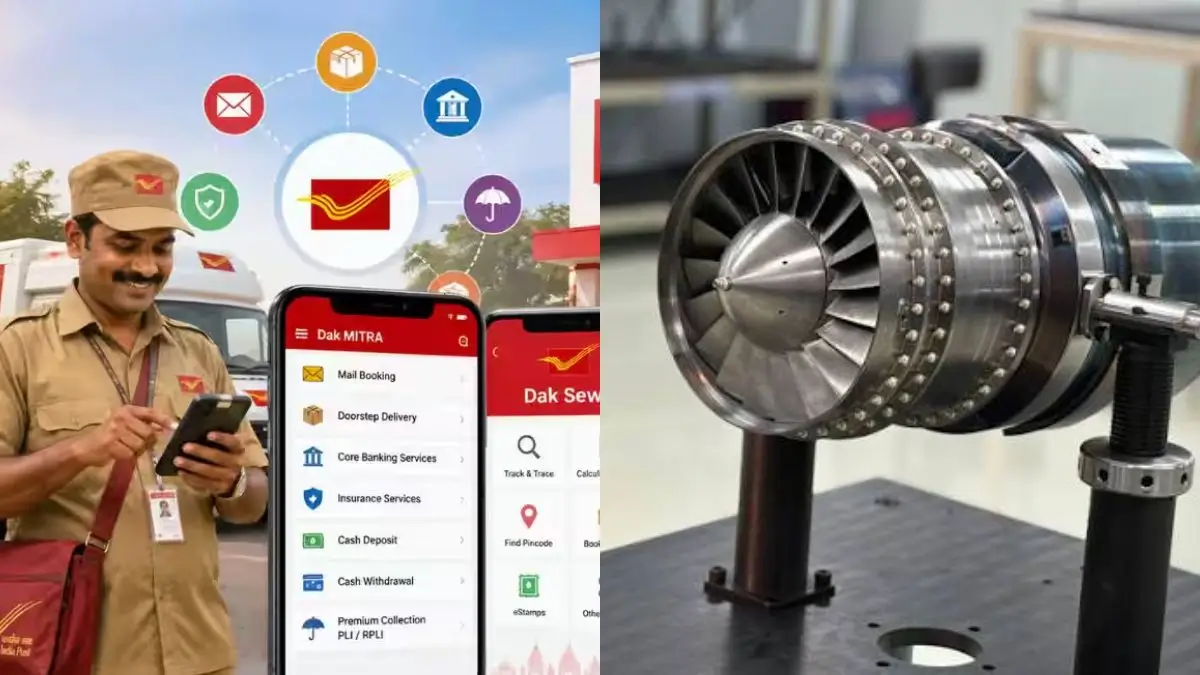
  • The Union Minister for Communications recently in August, 2026, launched the revamped Dak Sewa App and Dak MITRA App at a function in New Delhi.

About Dak MITRA App

  • Dak MITRA stands for Mobile Interface for Transactions & Rural Assistance.
  • The upgraded Dak MITRA application serves as a unified operational platform for more than 1.4 lakh Branch Post Offices.
  • It has been developed indigenously by the Centre for Excellence in Postal Technology (CEPT).
  • The application has been developed under the Advanced Postal Technology (APT) platform as part of the DoP IT 2.0 Modernization.
  • It enables Branch Postmasters to undertake paperless and real-time postal and financial transactions.
  • Key services available through the app include mail booking, OTP-based doorstep delivery, Core Banking Services, insurance services, Aadhaar-based biometric e-KYC, cash deposits and withdrawals.

Key Facts about Dak Sewa App

  • The Dak Sewa App provides citizens with 24×7 access to postal services.
  • Its services include tracking, booking, lodging complaints, Post Office locators, PIN code locators and financial calculators.
  • The app supports 23 Indian languages through BHASHINI.

Q1. Where was the three-day National Conclave on Tribal Languages and Museums held in August 2026?

(a) Hyderabad, Telangana

(b) Mysuru, Karnataka

(c) Ranchi, Jharkhand

(d) Bhubaneswar, Odisha

(e) Guwahati, Assam

Answer: b

Solution:

  • The three-day National Conclave on Tribal Languages and Museums began on 24 August 2026.
  • The conclave is being held at Hotel Southern Star, Mysuru, Karnataka.
  • It will continue till 26 August 2026.
  • Union Minister of State for Tribal Affairs Durgadas Uikey inaugurated the conclave.
  • The conclave is jointly organised by the Union Ministry of Tribal Affairs, Central Institute of Indian Languages (CIIL), Mysuru, ST Welfare Department of Karnataka, and the Karnataka State Tribal Research Institute (KSTRI).
  • The event is being organised by the Ministry of Tribal Affairs in collaboration with KSTRI, Government of Karnataka, and CIIL.
  • More than 150 participants from across various States are participating in the National Conclave.

Q10. In August 2026, U.S. Treasury Secretary Scott Bessent announced a sweeping financial pressure campaign—described as an “economic onslaught”—targeting nearly 60 entities, individuals, and shadow-fleet vessels to isolate Iran from the global financial system. What is the official name of this U.S. Department of the Treasury operation?

(a) Operation Sentinel Shield

(b) Operation Economic Outcast

(c) Operation Desert Hammer

(d) Operation Bhashini Guard

(e) Operation Prosperity Guardian

Answer: b

Solution:

  • The United States has imposed sanctions on nearly 60 entities, individuals and vessels over their alleged links to Iran’s military activities, procurement networks, and petroleum and petrochemical trade.
  • The sanctions campaign has been named “Operation Economic Outcast”.
  • The campaign was announced by US Treasury Secretary Scott Bessent.
  • Its objective is to disrupt the financial and commercial networks that enable Iran to earn revenue, move money and obtain goods and technology.
  • The latest sanctions target networks allegedly linked to Iran’s nuclear programme, missile programme, cyber operations and oil revenues.