National News
Government Mandates BIS Standards For Stainless Steel And Aluminium Utensils
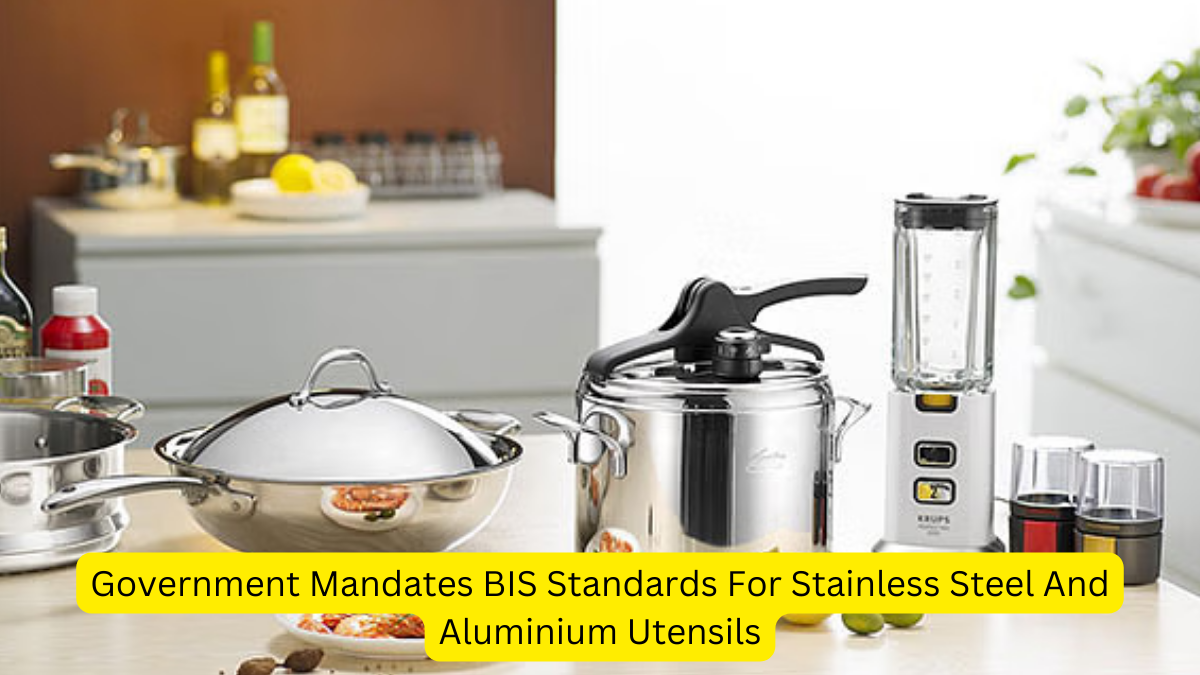
The Government of India has mandated that all stainless steel and aluminium utensils conform to the Bureau of Indian Standards (BIS). According to a press release by the Ministry of Consumer Affairs, Food and Public Distribution, this directive, effective from March 14, 2024, under the Quality Control Order issued by the Department for Promotion of Industry and Internal Trade (DPIIT), Ministry of Commerce and Industry, makes the ISI mark compulsory for these utensils.
International News
Rachel Reeves: Britain’s First Woman Finance Chief
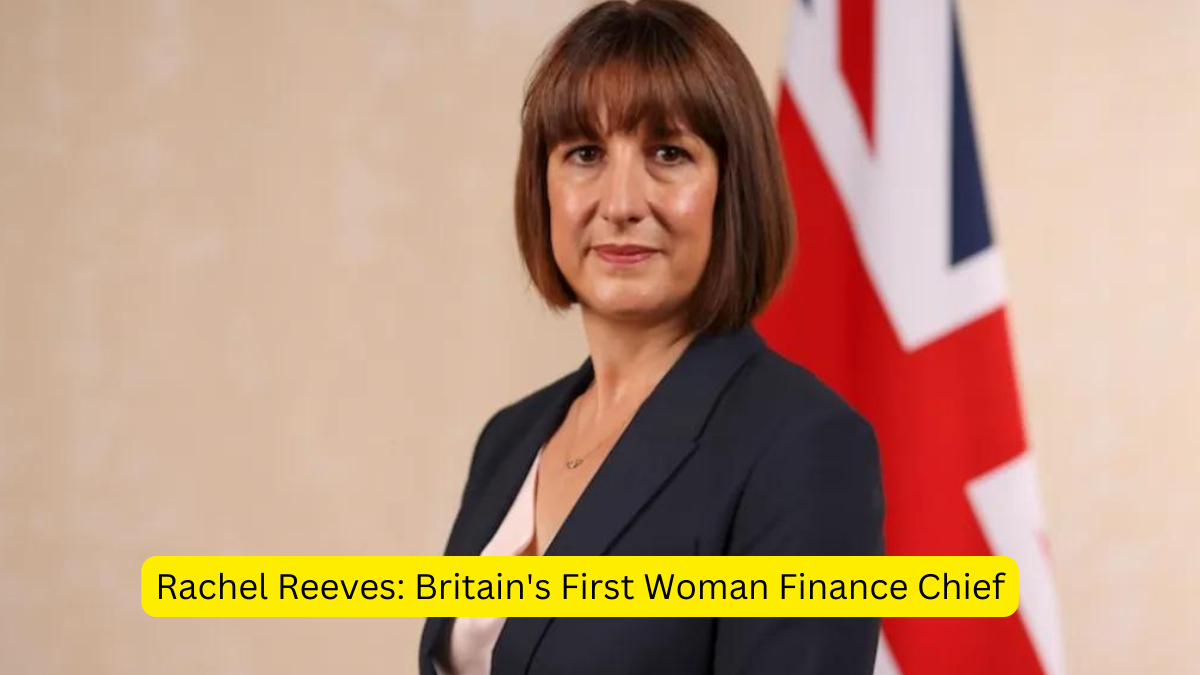
Rachel Reeves has become the first woman finance minister of UK. The 45-year-old is an economist and has pledged to grow the nation’s economy. Rachel was appointed as the chancellor on June 5, after the Keir Starmer-led Labour Party won a majority in Thursday’s general election. She is now in charge of the UK’s Budget.
India Gears Up for Malabar Showdown with ‘Quad’ Allies Amid Rising China Tensions
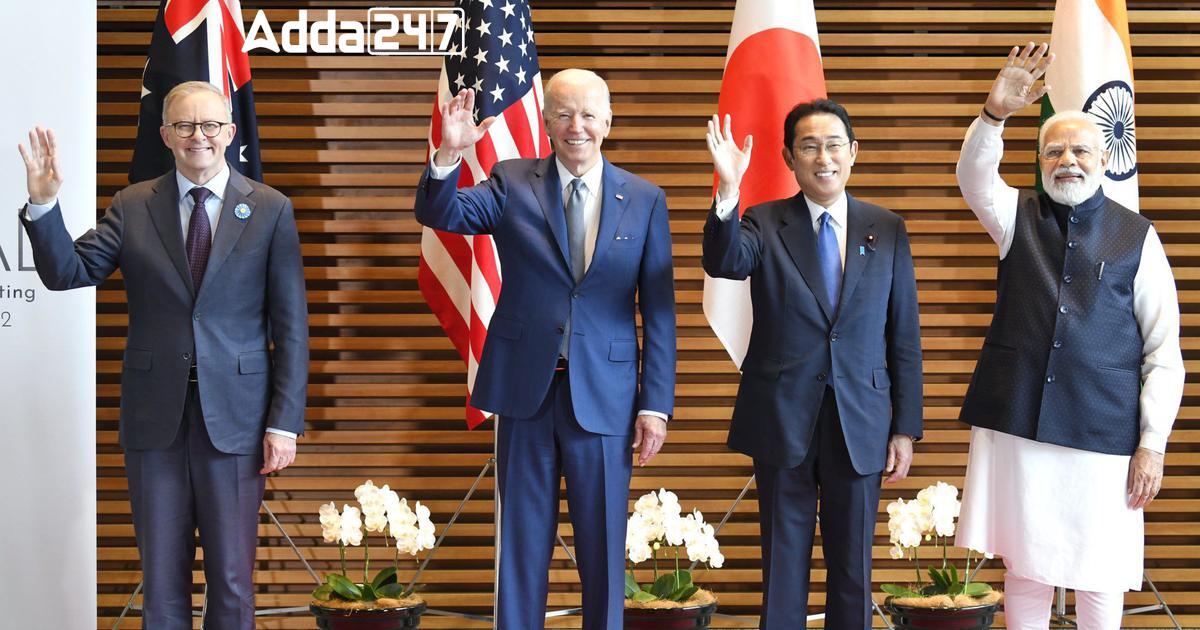
India is gearing up to host the prestigious Malabar naval exercise alongside the United States, Japan, and Australia in the Bay of Bengal this October. This comes amidst escalating regional tensions fueled by China’s assertive actions in the South China Sea and its expanding footprint across the Indian Ocean Region (IOR). The 28th edition of the exercise will focus on advanced anti-submarine warfare and aims to enhance military interoperability among the four countries.
States News
Tata Power Launches ‘Ghar Ghar Solar’ Initiative in Uttar Pradesh
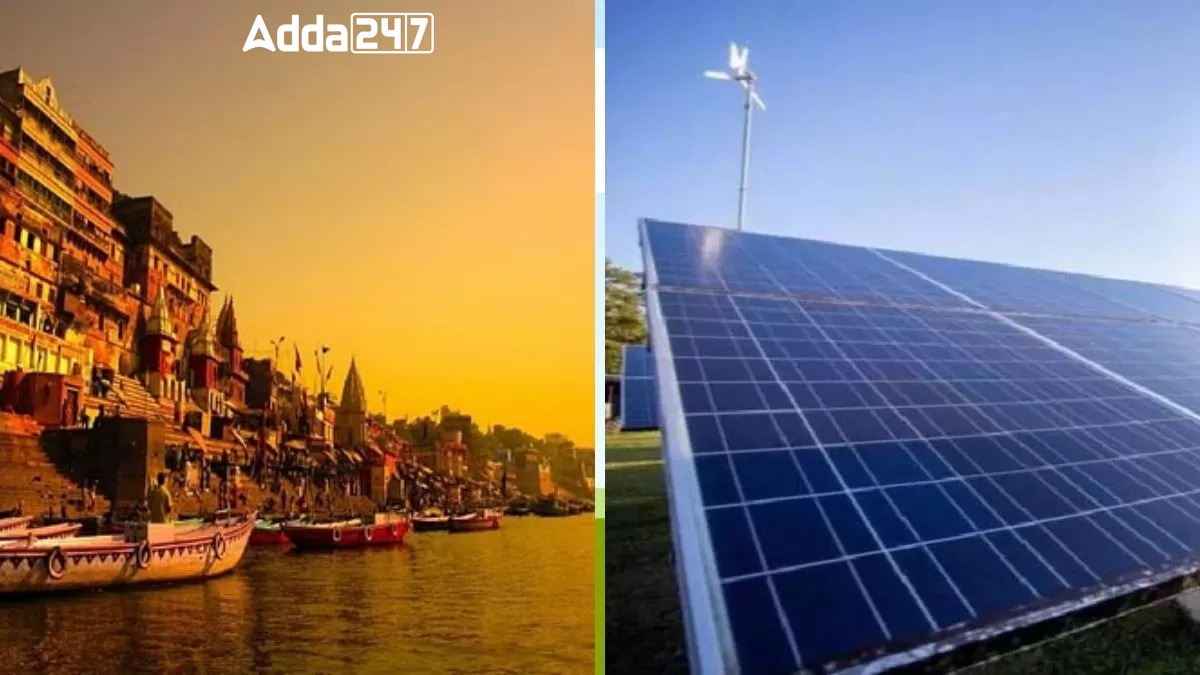
Tata Power Solar Systems Limited has launched the ‘Ghar Ghar Solar’ initiative in Uttar Pradesh, starting from Varanasi, aimed at providing every home with clean energy through rooftop solar solutions. This initiative promises substantial financial savings and environmental benefits for residents.
Banking News
ICICI Lombard Introduces ‘Elevate’: Revolutionizing Health Insurance with AI
ICICI Lombard, a leading private general insurer in India, has launched ‘Elevate’, a pioneering health insurance product integrating AI technology. This innovative offering is designed to meet the diverse needs of modern lifestyles and unforeseen medical emergencies, emphasizing personalized solutions and comprehensive coverage.
RBI Launches Quarterly Manufacturing Survey for Q2 2024
The Reserve Bank of India (RBI) has introduced its quarterly “Order Books, Inventories and Capacity Utilisation Survey” (OBICUS) for the manufacturing sector, aimed at informing monetary policy decisions. Since 2008, this survey has provided crucial insights into key metrics such as new orders, inventory levels, and capacity utilisation across manufacturing companies.
SEBI Issues New Guidelines to Enhance Credit Rating Agency Operations
Markets regulator SEBI has issued new guidelines to streamline operations and enhance the ease of doing business for credit rating agencies. The circular introduces specific timelines for dealing with appeals made by companies regarding rating actions carried out during periodic surveillance of ratings.
Agreements News
ICAI and MeitY Collaborate on AI Audit Tool for Corporate India
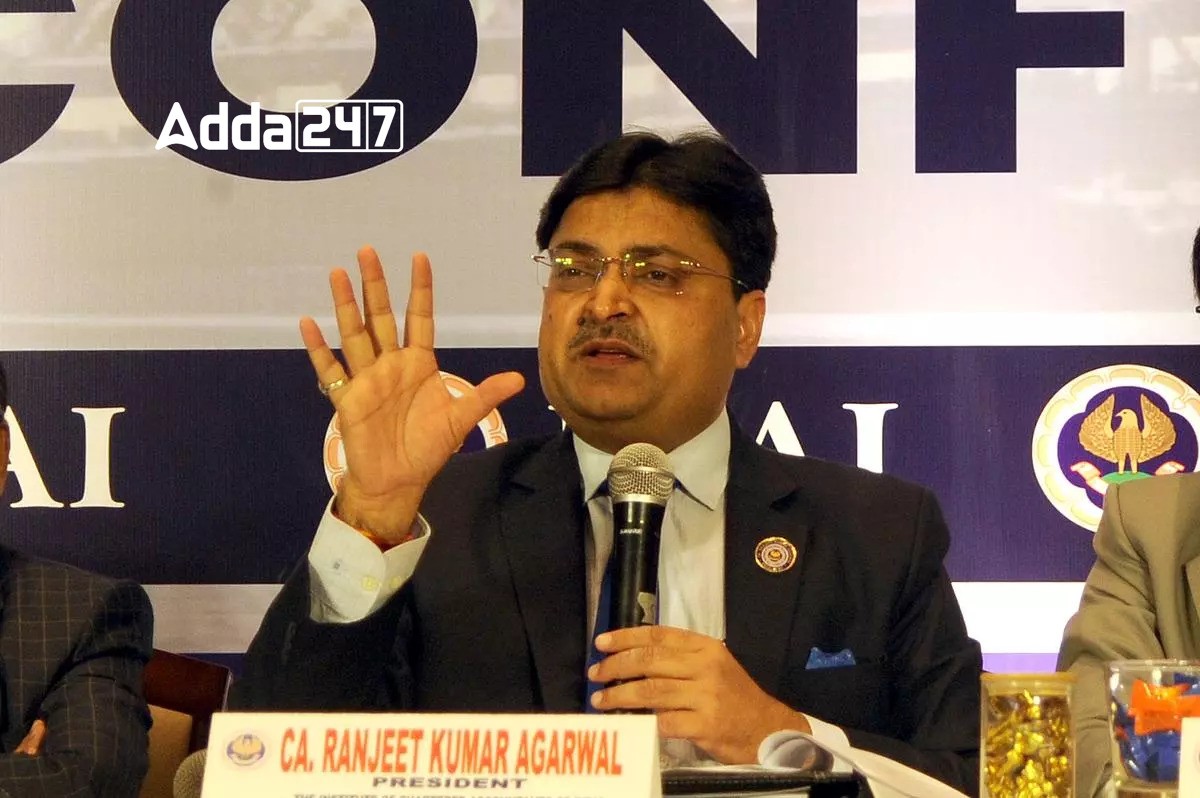
The Institute of Chartered Accountants of India (ICAI) has initiated talks with the Ministry of Electronics and Information Technology (MeitY) to develop an AI Audit Tool aimed at overseeing corporate India and detecting frauds. ICAI President Ranjeet Kumar Agarwal has confirmed that a proposal has been sent to MeitY Secretary Krishnan.
Ranks and Reports News
India Ranks Fifth in GenAI Innovations, China Leads
India ranks fifth in Generative AI (GenAI) innovations, trailing behind China, the US, Republic of Korea, and Japan. Despite India’s position, the country has shown the highest annual growth rate in GenAI patent publications, with significant potential for economic impact.
RBI Report: India’s Employment Growth at 6% in FY24 vs 3.2% in FY23
India’s employment growth provisionally rose to 6% in FY24 compared to 3.2% in FY23, according to the Reserve Bank of India (RBI). This increase brought the total employment to 643.3 million, up from 596.7 million the previous year, with 46.7 million jobs created.
Awards News
Maharashtra Wins Best Agriculture State Award for 2024
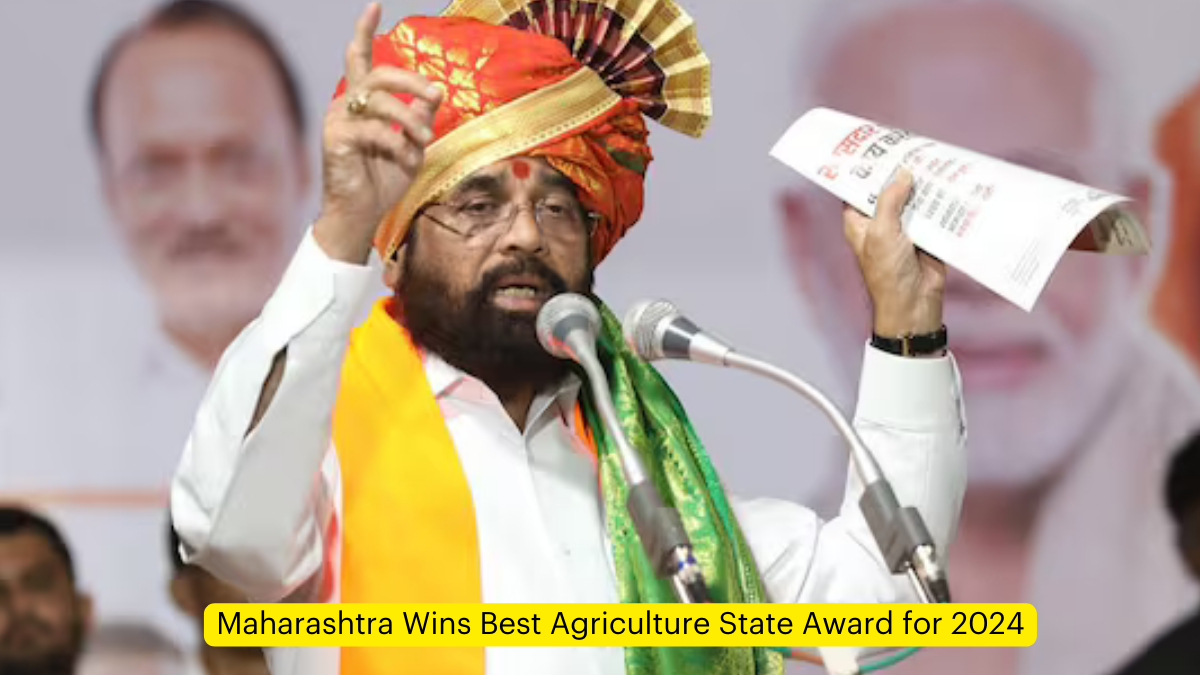
The 15th Agriculture Leadership Awards Committee has announced that Maharashtra has won the Best Agriculture State Award for 2024. The announcement was made by the committee headed by Justice P Sathasivam, former Chief Justice of India and Governor of Kerala.
HCLTech’s Roshni Nadar Malhotra Receives France’s Highest Civilian Honour
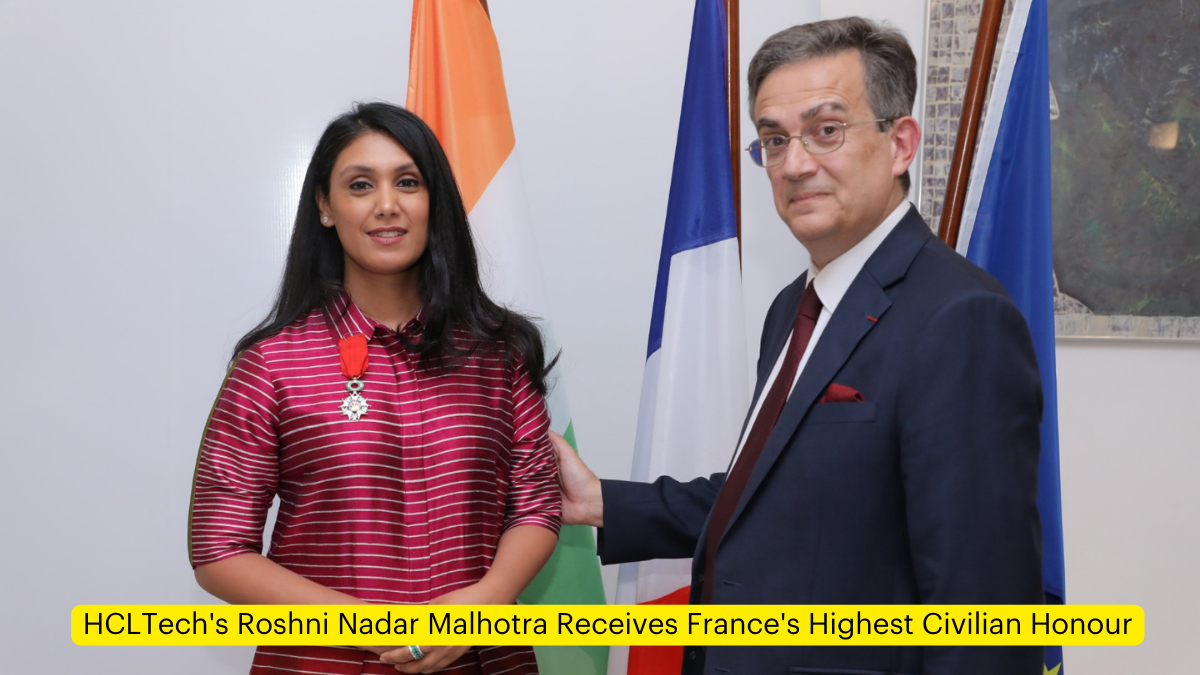
Roshni Nadar Malhotra, Chairperson of IT services firm HCLTech, has been conferred with the “Chevalier de la Légion d’Honneur” (Knight of the Legion of Honour), the highest civilian award of France.
Tamil writer Sivashankari selected for Dr. C. Narayana Reddy National Literary Award
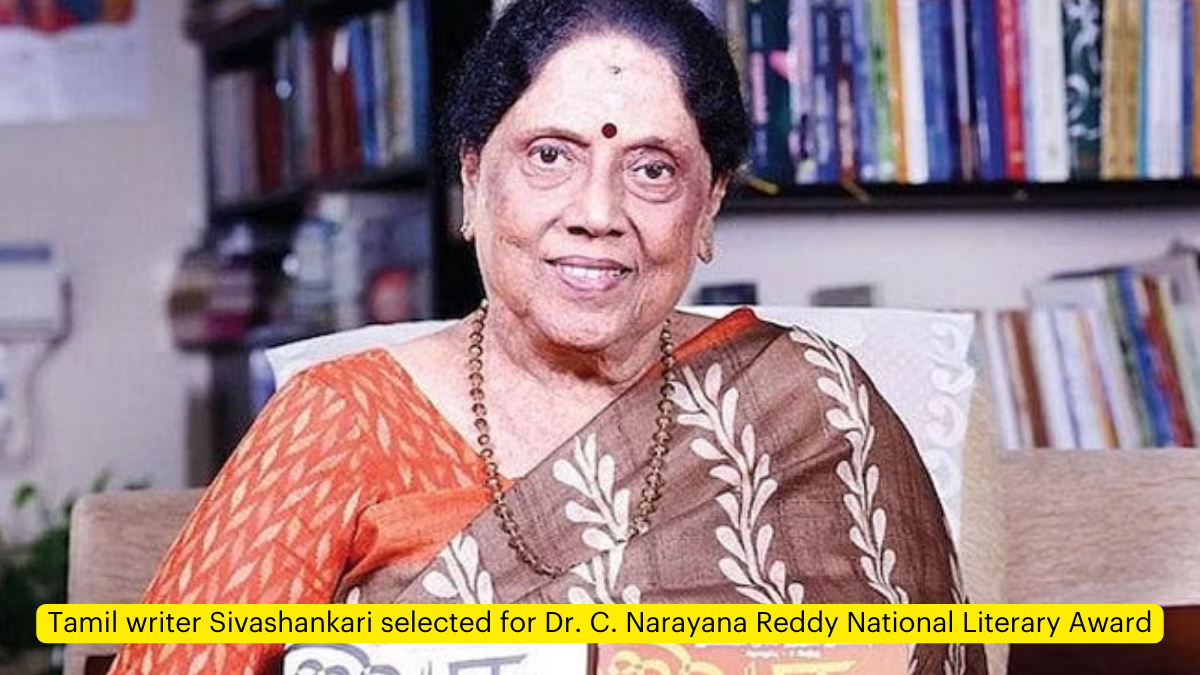
Tamil literature, renowned author Sivashankari has been selected as the recipient of the highly esteemed Dr. C. Narayana Reddy National Literary Award. This prestigious accolade celebrates her immense contributions to the rich tapestry of Tamil literary culture and her role in shaping contemporary Indian literature.
Dr. Arpit Chopra Receives Prestigious Excellence Award for Pioneering Work in Homeopathy
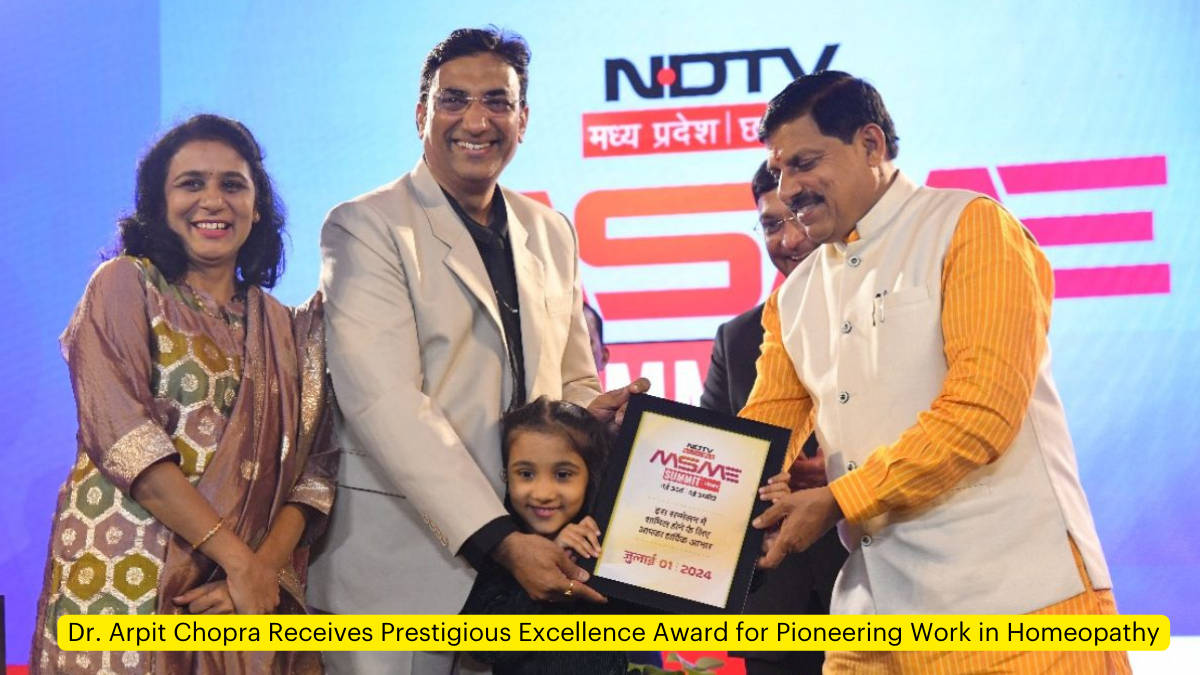
In a significant recognition of his contributions to alternative medicine, Dr. Arpit Chopra, a distinguished homoeopathic practitioner, was bestowed with the Excellence Award at the NDTV MSMES (Micro, Small and Medium Enterprises) Summit held in Bhopal, Madhya Pradesh. The award ceremony, which took place at the Marriott Hotel, saw the presence of several high-ranking state officials and industry leaders.
PM Modi To Receive Russia’s Highest Civilian Honour For “Outstanding Service”
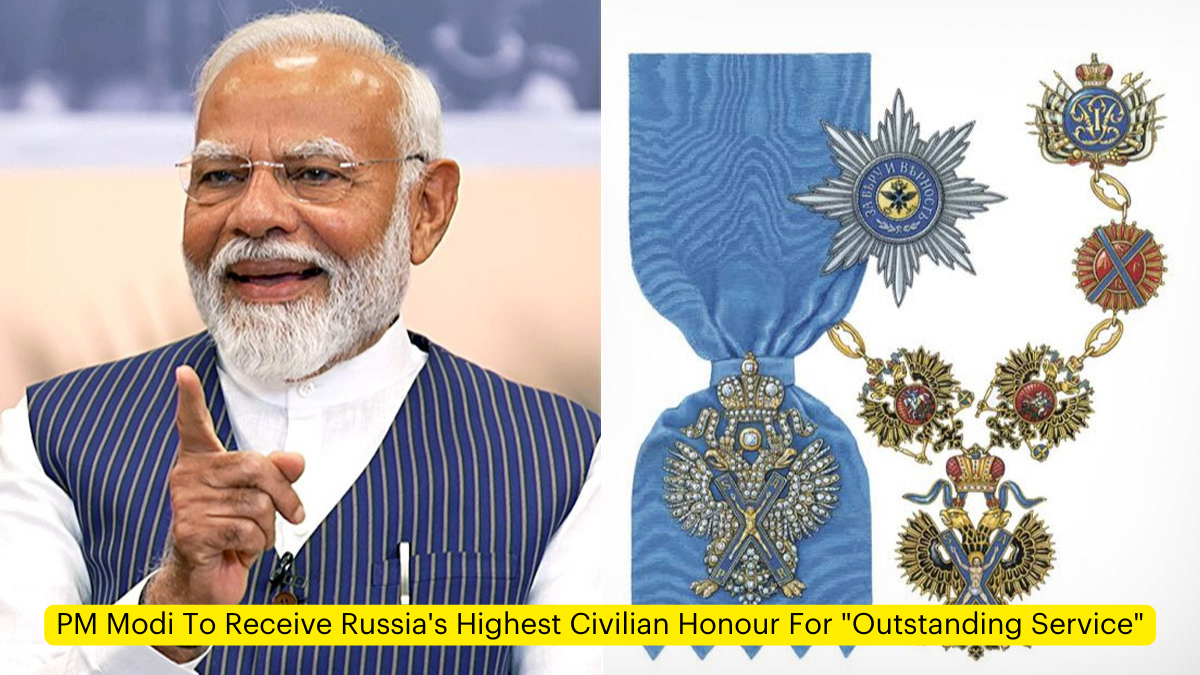
Prime Minister Narendra Modi ceremoniously presented with the Order of St Andrew the Apostle the First-Called, which was bestowed on him in the year 2019 at St Catherine’s Hall of the Moscow Kremlin. The order was presented to the Prime Minister of India for his distinguished contribution to the development of a privileged strategic partnership between Russia and India and friendly ties between the two countries.
Sports News
Indian Squash Players Triumph at Asian Squash Doubles Championship 2024

Indian squash players secured two titles at the recently concluded Asian Squash Doubles Championship 2024 held at the Arena Emas in Johor, Malaysia. The Indian team clinched victories in both the men’s doubles and mixed doubles categories.







 Daily Current Affairs and GK Updates (12...
 Daily Current Affairs Quiz 12th Septembe...
 Daily Current Affairs and GK Updates (11...