
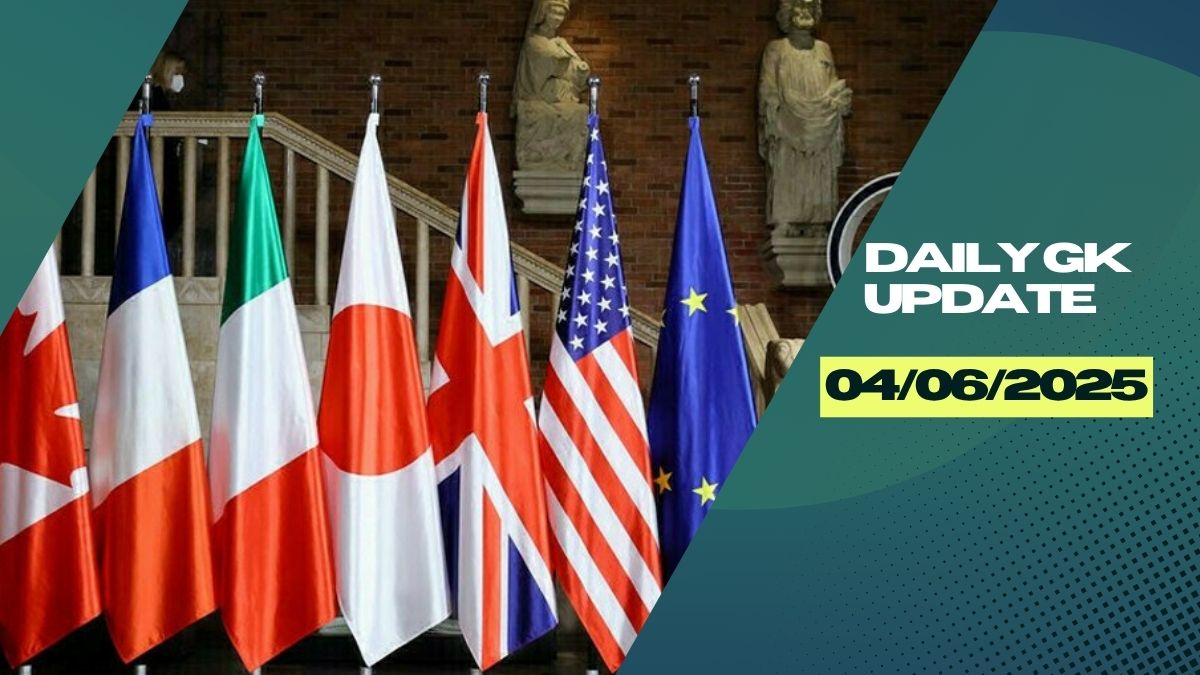
National News
Union Coal Minister Launches C CARES 2.0 to Empower Coal Workers Digitally
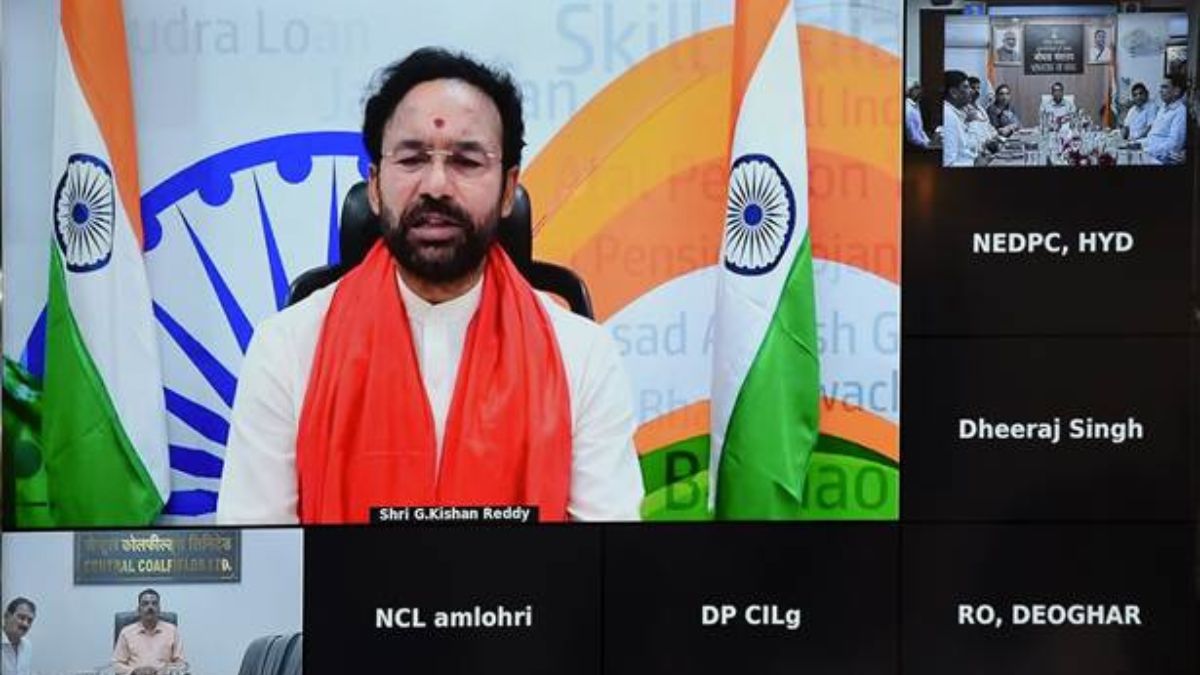
- The Ministry of Coal, under the leadership of Shri G. Kishan Reddy, launched C CARES Version 2.0, a digital platform by CMPFO for coal workers’ Provident Fund and pension services.
- Developed by C-DAC in collaboration with SBI, it includes real-time tracking, direct benefit transfers, and a mobile app for member access. Initially deployed in five regional offices, it will expand nationwide from July 2025.
- The portal advances transparency, efficiency, and aligns with Digital India and worker welfare goals.
ADB Launches $10 Billion Urban Infrastructure Plan for India
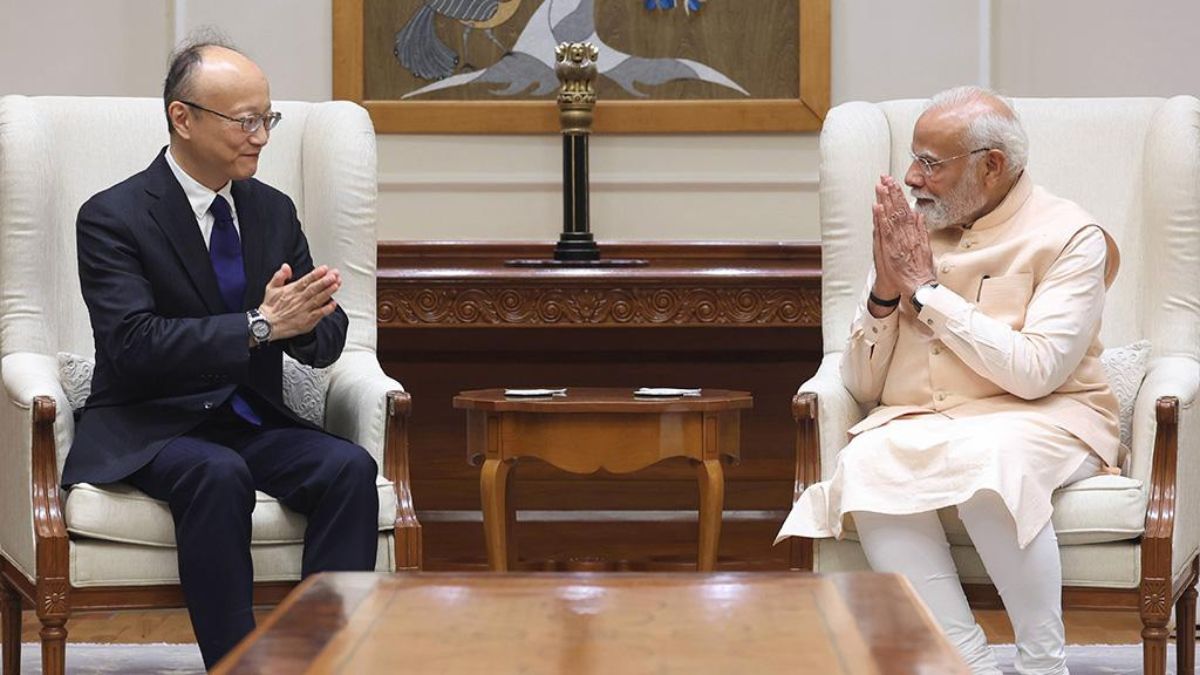
- On 1 June 2025, the Asian Development Bank (ADB) unveiled a $10 billion initiative for urban transformation in India.
- This 5-year plan aims to revamp metro networks, launch new RRTS corridors, and improve urban infrastructure and services across over 100 cities.
- Backed by sovereign loans, private capital, and the Urban Challenge Fund (UCF), the project also includes $3 million in technical assistance for project planning.
- ADB emphasized skill development, women’s empowerment, and inclusive urban growth as part of India’s Viksit Bharat @ 2047 mission. The announcement follows meetings with PM Modi, FM Nirmala Sitharaman, and Housing Minister Manohar Lal.
State News
IICA Sets Foot in Northeast with First Regional Campus in Shillong
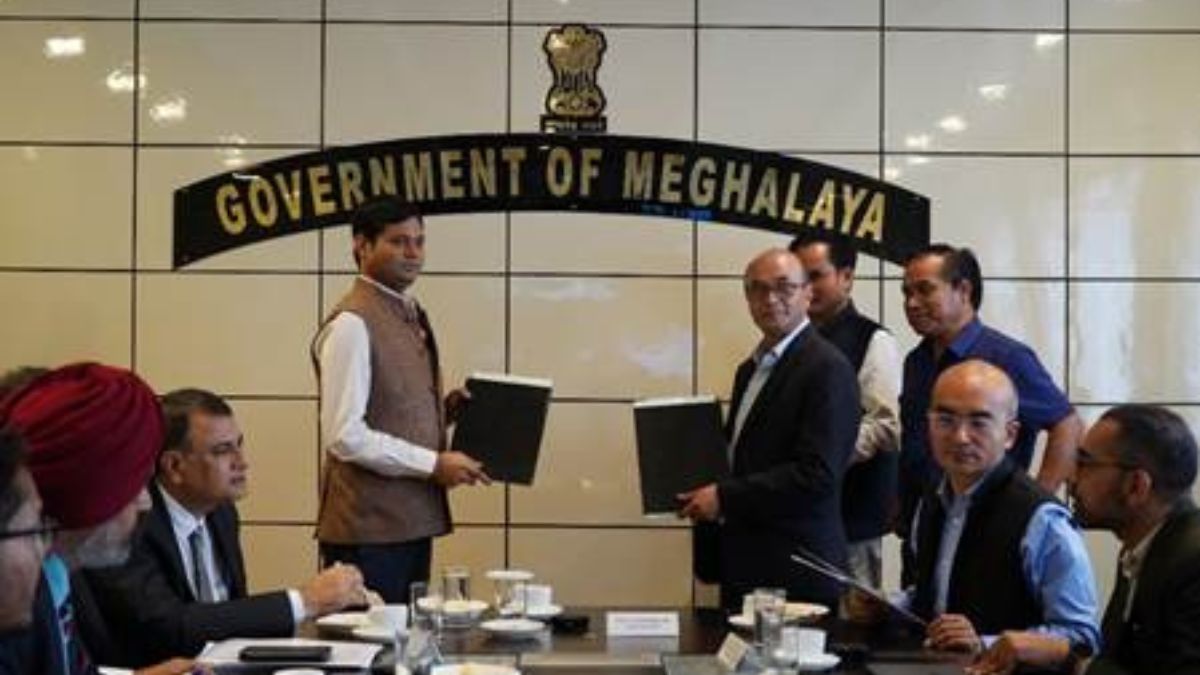
- The Indian Institute of Corporate Affairs (IICA) is establishing its first regional campus in Shillong, Meghalaya, with funding under the PM-DevINE scheme.
- The ₹100.95 crore investment aims to transform the region into a policy and training hub, promoting corporate governance, entrepreneurship, and capacity building.
- Situated within the Knowledge City cluster, the new campus will support national missions like Atmanirbhar Bharat and Vikshit Bharat @2047, while fulfilling the government’s vision of inclusive and decentralized development in the North East region.
Lavender Festival 2025 Concludes in Bhaderwah, Empowering Rural Aroma Economy
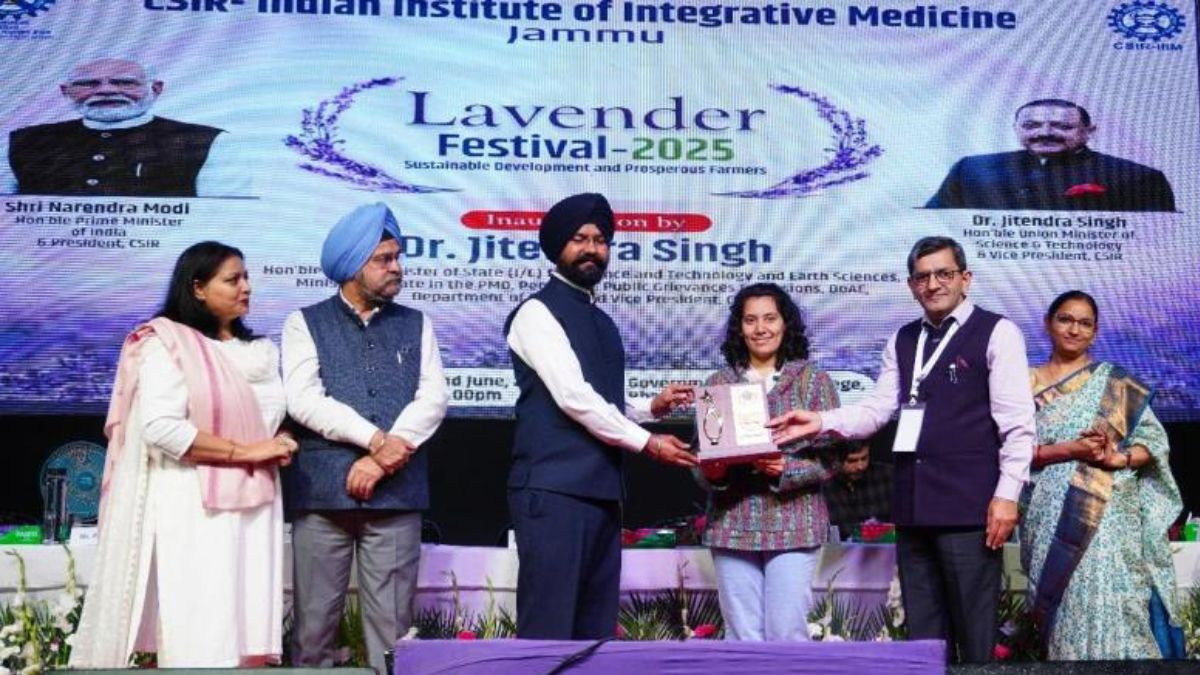
- The 3rd Lavender Festival at Bhaderwah, Jammu & Kashmir, showcased the growing success of the CSIR-Aroma Mission.
- Held from June 1–2, 2025, and attended by over 1,200 participants, the event featured field visits, live distillation demonstrations, and success stories of farmers and startups.
- With over ₹10.5 crore in turnover from lavender-based products and more than 9,000 trained individuals, the festival underscored the socio-economic upliftment, women entrepreneurship, and industrial development spurred by lavender farming.
Uttar Pradesh Approves 20% Police Reservation for Ex-Agniveers
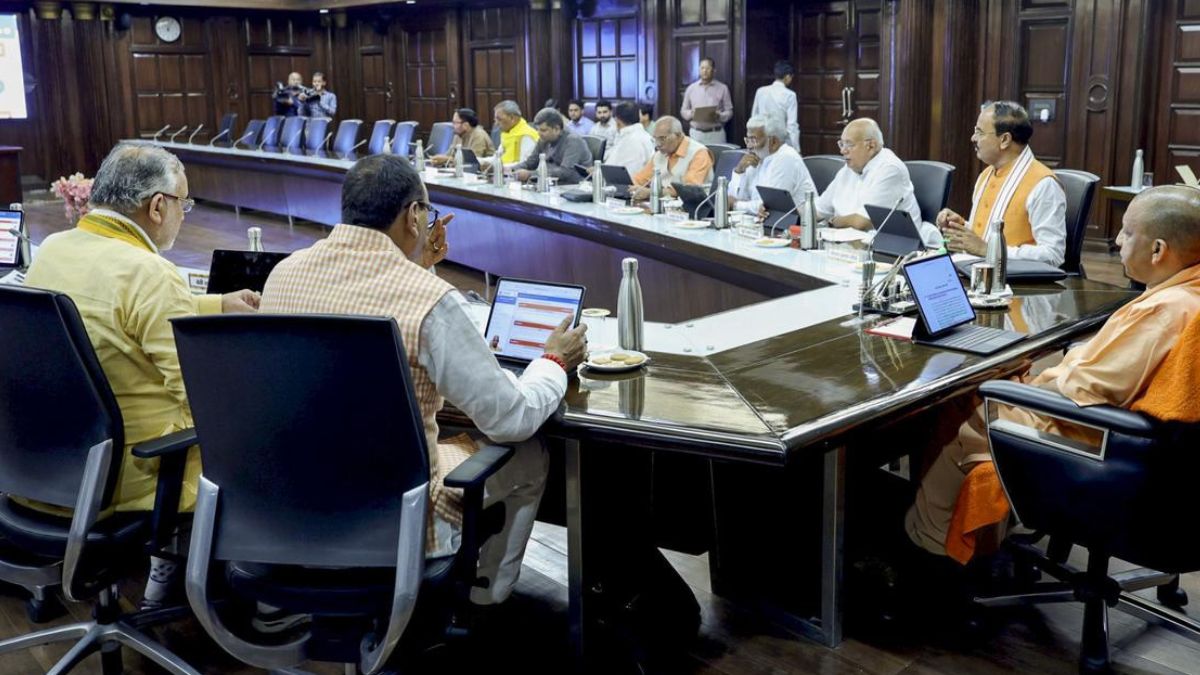
- The Uttar Pradesh Cabinet, led by CM Yogi Adityanath, has approved 20% horizontal reservation for former Agniveers in various police recruitment posts including Constables and Firemen.
- The move aligns with the Agneepath scheme, offering age relaxation and inclusive benefits across categories like SC, ST, OBC, and General. Starting in 2026, this policy ensures continued employment and recognition for Agniveers, promoting both security and youth welfare.
International News
Lee Jae-myung Elected President of South Korea Amid Political Upheaval

- Lee Jae-myung, a liberal opposition candidate, was elected President of South Korea on June 4, 2025, following the removal of former conservative leader Yoon Suk Yeol. Lee, known for his reformist and populist rhetoric, has pledged economic reform, pragmatic diplomacy, and peaceful engagement with North Korea.
- Despite criticism for alleged pro-China leanings, he reiterated the importance of the U.S.–South Korea alliance.
- The election marks a significant democratic shift after political turmoil, with Lee facing pressing issues like U.S. tariffs, nuclear threats, and domestic economic inequality.
Karol Nawrocki Elected President of Poland After Tight Race
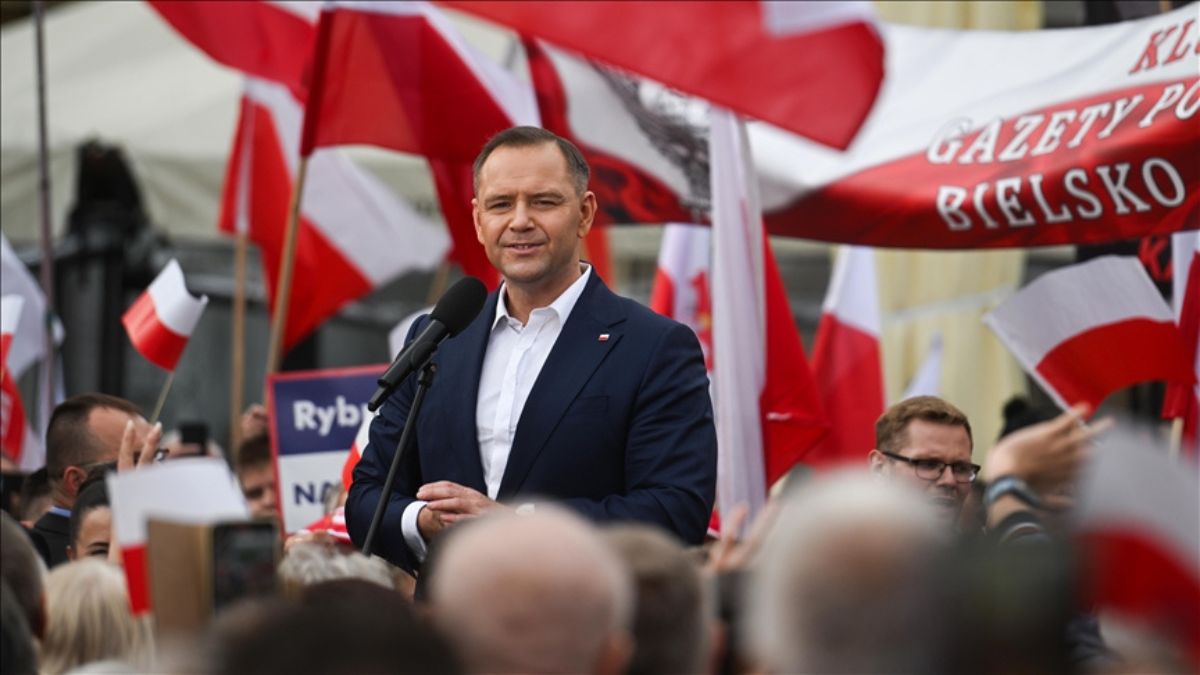
- Karol Nawrocki, a conservative nationalist backed by Donald Trump, has been elected as Poland’s next president, narrowly defeating liberal challenger Rafal Trzaskowski with 50.89% of the vote.
- Nawrocki, a historian and former head of the Institute of National Remembrance, represents the Law and Justice party’s attempt at a political reset after losing parliamentary power.
- Known for patriotic values, anti-communist stance, and traditionalist ideals, Nawrocki is expected to take a strong line on national identity, foreign policy, and social conservatism, with potential challenges ahead in EU relations.
Banking News
RBI Imposes ₹54.78 Crore Penalty on 353 Regulated Entities in FY25
- The Reserve Bank of India (RBI) imposed 353 penalties worth ₹54.78 crore on various regulated entities (REs) during the fiscal year 2024–25, as disclosed in its Annual Report.
- The violations pertained to cybersecurity non-compliance, exposure norms, IRAC guidelines, KYC norms, and fraud/data reporting failures. Cooperative banks faced the most penalties (264), followed by NBFCs, HFCs, and commercial banks.
- The RBI’s actions reinforce the growing emphasis on regulatory enforcement, transparency, and risk mitigation across India’s banking ecosystem.
Economy News
OECD Cuts, UBS Lifts India’s FY26 Growth Forecast: A Tale of Two Outlooks
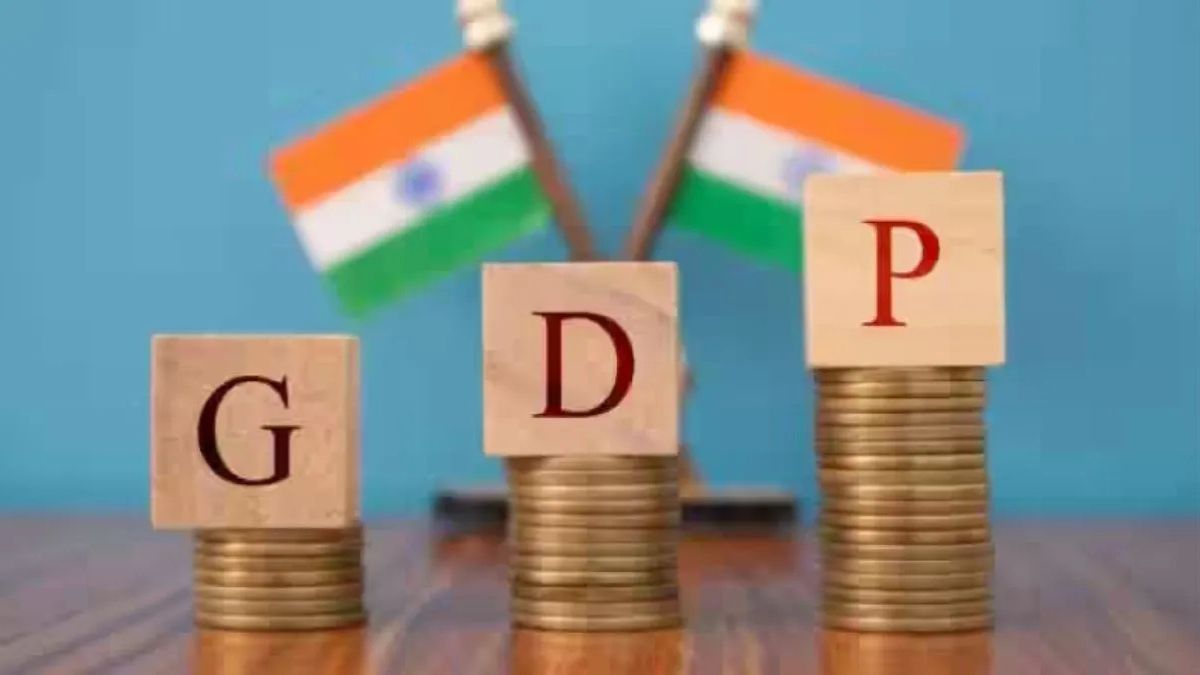
- India’s FY26 GDP forecast witnessed divergence as OECD lowered its projection to 6.3%, citing risks from US tariffs, a weak monsoon, and global trade tensions, while UBS raised its estimate to 6.4% due to expectations of stronger private consumption, tax relief, and additional RBI rate cuts.
- Both institutions expect investment to be supported by public spending and falling interest rates, although OECD projects slower global economic growth at 2.9%.
Awards News
Kumar Mangalam Birla Honoured with USISPF Global Leadership Award 2025
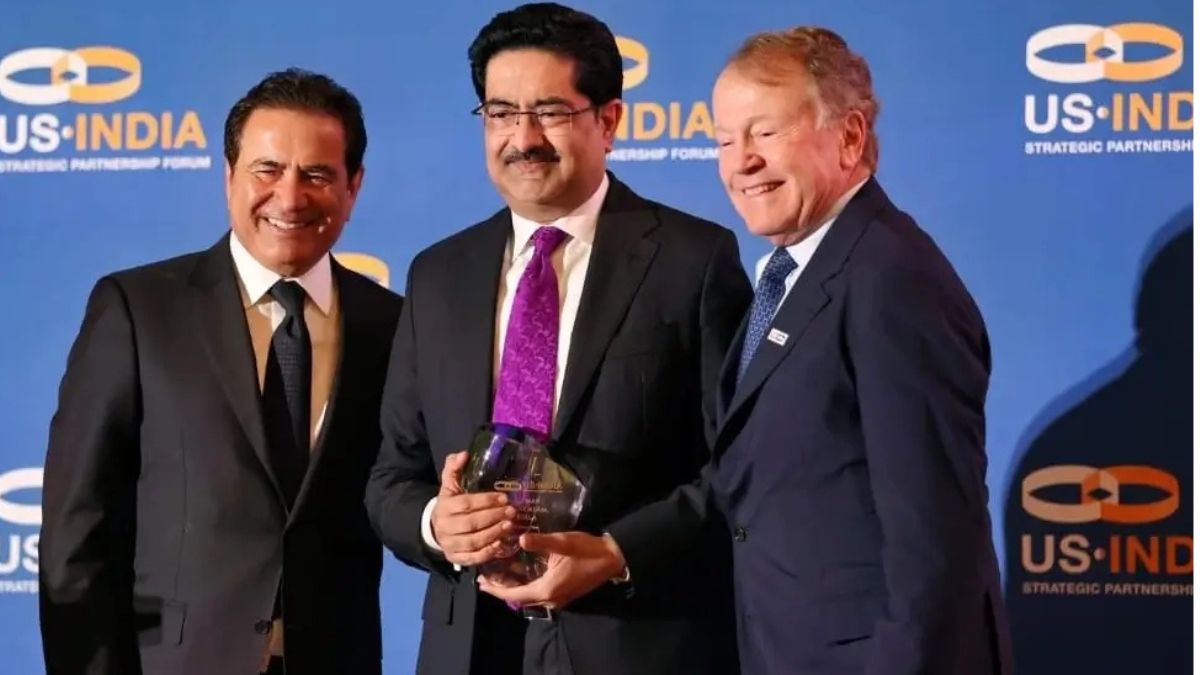
- Kumar Mangalam Birla, Chairman of the Aditya Birla Group, has been honoured with the Global Leadership Award by the U.S.-India Strategic Partnership Forum (USISPF) at its 8th annual summit in Washington D.C.
- The award recognises Birla’s visionary leadership, which led the group to invest over $15 billion in the U.S. economy, creating over 5,400 jobs. With a presence in 15 American states, Aditya Birla Group represents one of India’s largest global footprints. Birla emphasized a long-term, people-first investment approach.
- He was honoured alongside global business leaders Arvind Krishna (IBM) and Toshiaki Higashihara (Hitachi), reflecting a shared commitment to strategic collaboration and mutual prosperity.
Defense News
Shailendra Nath Gupta Appointed as New Director General of Defence Estates
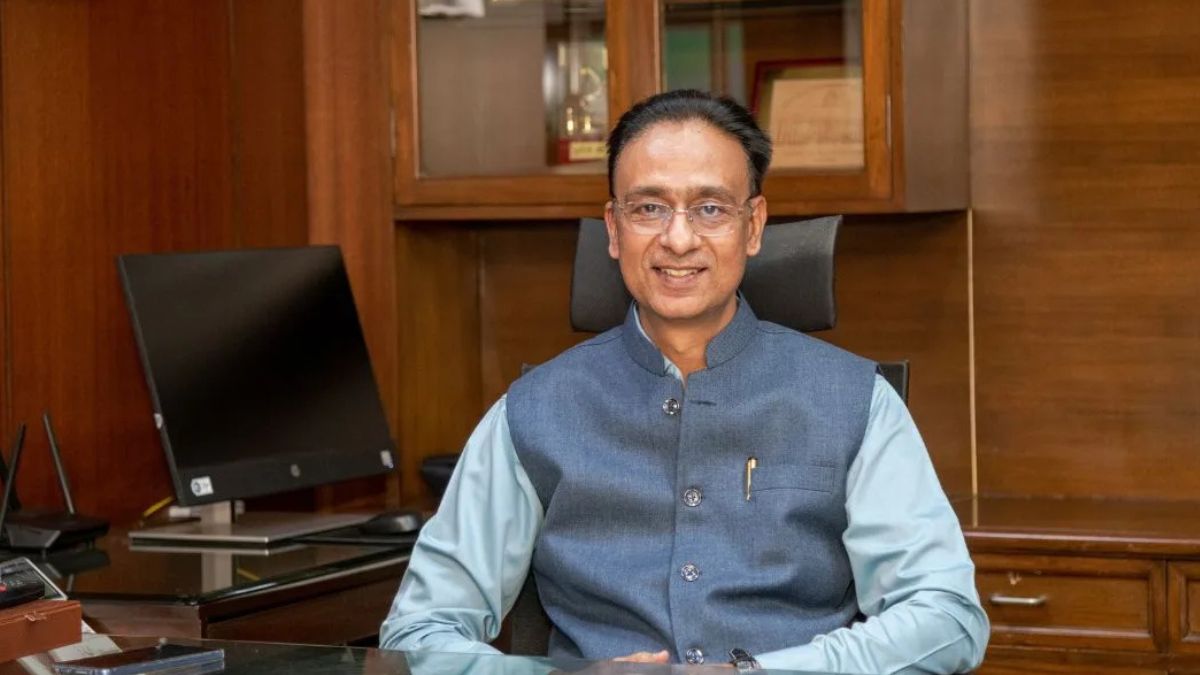
- On June 1, 2025, Shailendra Nath Gupta, a seasoned officer from the Indian Defence Estates Service (IDES), took charge as the Director General of Defence Estates (DGDE).
- Having held various leadership positions across Cantonment Boards, Defence Estates Circles, and Commands, Gupta now oversees 18 lakh acres of defence land.
- The DGDE, through its six regional commands, plays a crucial role in land management, urban governance in cantonments, and coordination with the Ministry of Defence.
- His appointment comes amid a national push for digitization of land records, ensuring greater transparency, accountability, and modernization in defence estate administration.
Summits & Conferences News
G7 Summit 2025: Key Highlights, Participants, and India’s Absence

- The 51st G7 Summit, hosted by Canada in Kananaskis from June 15–17, 2025, will bring together leaders from the world’s top economies to tackle issues like climate change, economic resilience, and the digital transition.
- With Mark Carney at the helm, this year’s summit celebrates the 50th anniversary of the G7 process.
- A significant development is the absence of India, attributed to diplomatic tensions with the host country. The summit reflects evolving global alliances, highlighting key discussions on sustainability, security, and multilateral cooperation.
Sports News
Oscar Piastri Claims Dominant Victory at Spanish Grand Prix 2025

- Oscar Piastri showcased his dominance at the 2025 Spanish Grand Prix by leading from pole to finish, securing his fifth win of the season. The McLaren driver extended his lead over Lando Norris to 10 points in the Formula One championship standings.
- The race held at the Circuit de Barcelona-Catalunya highlighted Piastri’s ability to bounce back after recent setbacks and reinforced McLaren’s rising supremacy in the current F1 season.
IPL 2025 Final: Royal Challengers Bangalore Win Their First-Ever Title, Defeat Punjab Kings by 6 Runs

- Royal Challengers Bangalore (RCB) created history by winning their first-ever IPL title in the IPL 2025 final, defeating Punjab Kings (PBKS) by 6 runs at the Narendra Modi Stadium in Ahmedabad.
- RCB posted 190/9, and PBKS fell short with 184/7 despite a valiant chase. After years of near-misses, this victory marked a landmark moment for RCB, who showed consistent performance throughout the season, while PBKS’ wait for their maiden IPL title continues.
Science & Technology News
India to Build First-Ever Polar Research Vessel (PRV) in Collaboration with Norway
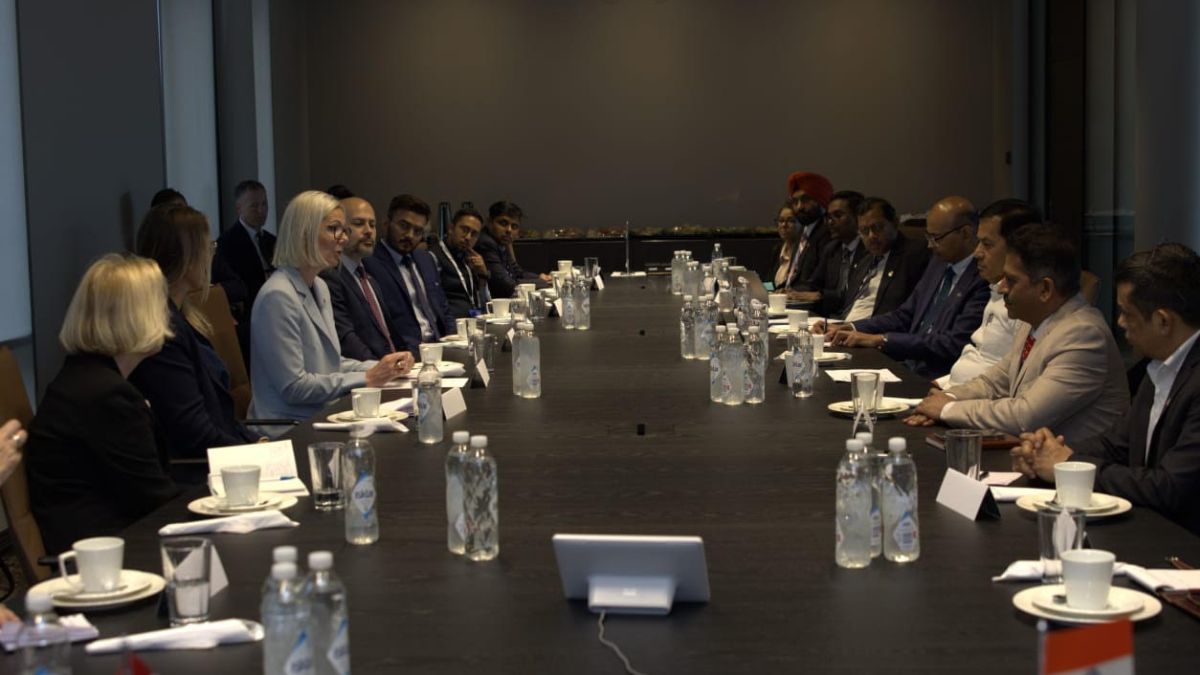
- India is embarking on the construction of its first-ever Polar Research Vessel (PRV) through an MoU signed between GRSE and Norway’s Kongsberg.
- This vessel, to be used by NCPOR, will enhance India’s role in polar research and reflect its Make in India prowess.
- Union Minister Sarbananda Sonowal, attending the Nor-Shipping 2025 event in Norway, also promoted India’s MAHASAGAR vision, encouraged sustainable maritime investments, and highlighted opportunities in shipbuilding and green logistics.
- This development marks a critical step in India’s maritime transformation and global collaboration.
Important Days News
International Day for Innocent Children Victims of Aggression Observed Globally

- On June 4, 2025, the world observes the International Day of Innocent Children Victims of Aggression, a UN-designated day dedicated to highlighting the suffering of children affected by armed conflict, violence, and exploitation.
- Originating in 1982 following the violence in Palestine and Lebanon, the observance now encompasses global efforts under frameworks like the Convention on the Rights of the Child, Resolution 51/77, and SDG 16.2. The UN’s 2024 report revealed 32,990 grave violations in 2023, including killing, recruitment, abduction, and sexual violence, urging the international community to intensify child protection efforts.
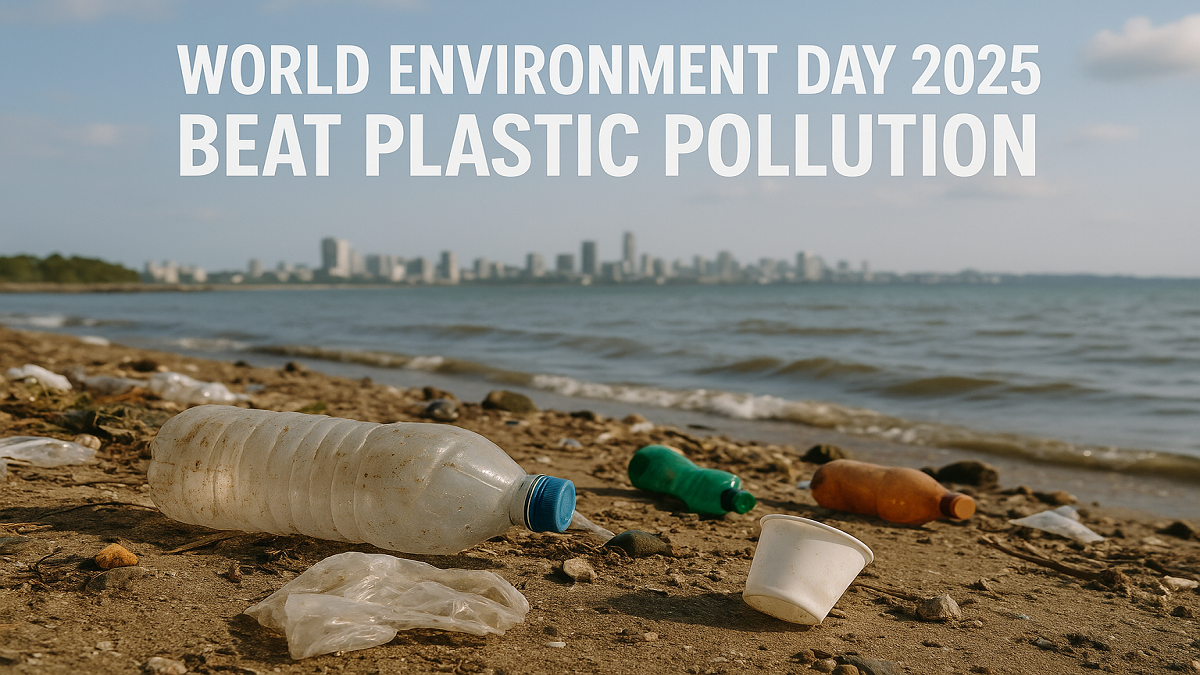
World Environment Day 2025: Theme, Host Country, History & Global Celebrations










 Daily Current Affairs and GK Updates (13...
 Daily Current Affairs and GK Updates (12...
 Daily Current Affairs Quiz 12th October,...