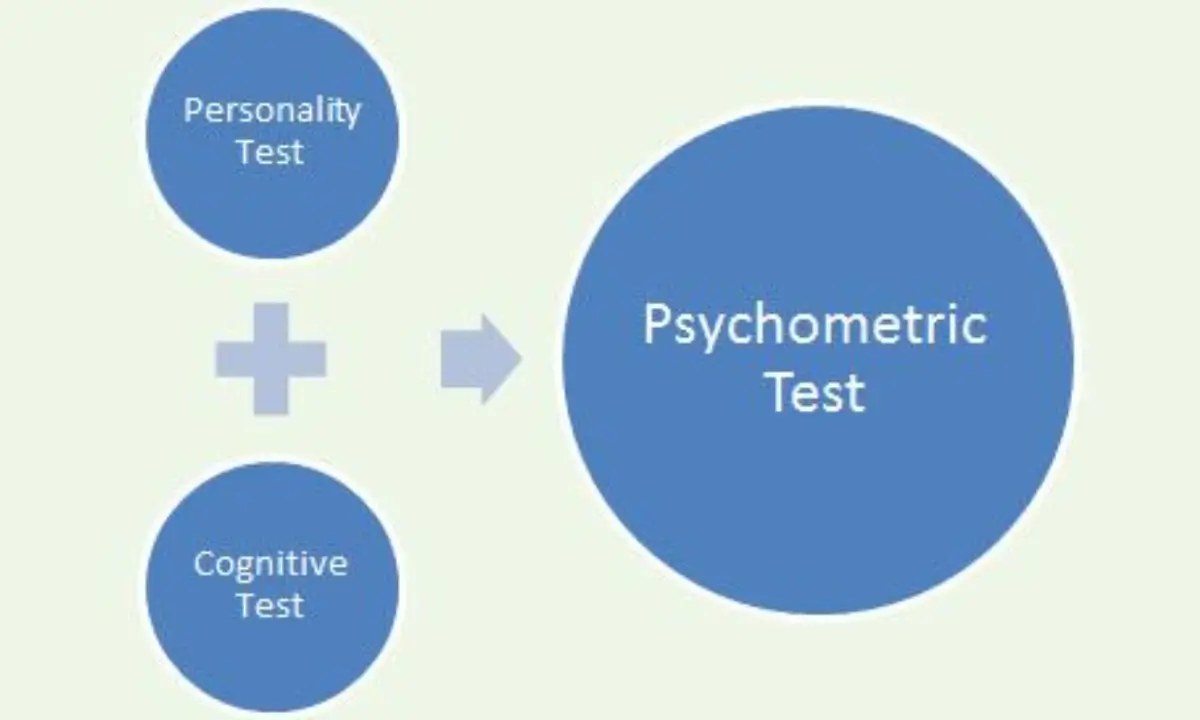
The SBI PO Psychometric Test is designed to provide a broader understanding of a candidate beyond academic performance and written-test scores. While the Prelims and Mains assess aptitude, reasoning, English, general awareness and descriptive writing skills, the psychometric assessment focuses on personality-related traits and behavioural tendencies that can be relevant to a managerial role in banking.
Why SBI Conducts a Psychometric Test?
For SBI, the assessment is particularly relevant because a Probationary Officer may have to deal with customers, work under deadlines, coordinate with colleagues, handle sensitive information and take decisions in situations that require both judgement and responsibility. The psychometric profile therefore gives the recruitment process an additional behavioural dimension.
What Does SBI Look for Through the Psychometric Test?
From a recruiter’s perspective, the psychometric assessment can help build a more complete picture of a candidate. A strong performance in the written examination shows that a candidate possesses the required academic and aptitude skills, but the role of a SBI PO also involves people management, customer interaction and decision-making. The assessment can help highlight behavioural characteristics such as:
- Emotional stability: How a candidate responds to pressure, setbacks and demanding situations.
- Integrity: Whether the candidate is likely to follow rules and ethical practices even when faced with pressure.
- Adaptability: How comfortably a candidate responds when plans, priorities or workplace situations
SBI PO Recruiter’s Perspective
SBI include psychometric testing to form a desire for a more profound and grounded understanding of its potential recruits. From the point of the recruitment specialists, these assessments serve several critical objectives:
- Crafting a Complete Personality Profile: The primary aim is to paint a comprehensive picture of a candidate’s personality, revealing traits that may not surface through a resume review or even a direct interview. It’s about understanding the core individual.
- Forecasting On-the-Job Efficacy: Psychometric tools are built to predict how an individual might behave and perform within actual work scenarios. They scrutinise qualities like proactive initiative, fortitude in adversity, judicious decision-making, and an individual’s inherent approach to professional challenges.
- Ensuring Organisational Harmony: As India’s largest public sector bank, SBI cultivates a distinct organisational culture and set of values. The psychometric test helps identify candidates whose intrinsic values and behavioural patterns resonate with the bank’s ethos, fostering smoother integration and a positive work environment.
- Pinpointing Core Behavioural Strengths: For a PO, certain behaviours are non-negotiable: a strong customer focus, unwavering integrity, collaborative spirit, leadership potential, and discretion with sensitive financial data. The test probes these crucial aspects, seeking out a natural predisposition towards these desired traits.
- Boosting Fairness and Impartiality: By introducing an objective, data-driven layer, psychometric tests help to mitigate subjective biases that can inadvertently influence interview outcomes. They ensure a consistent and standardised evaluation across all applicants.
- Informing Interview Dialogues: The insights gleaned from these tests are typically shared with the interview panel. This provides interviewers with a richer context of the candidate’s psychological makeup, enabling them to pose more incisive questions and explore specific personality facets, potential strengths, or areas that might require development.
Where the Psychometric Test Fits in the SBI PO 2026 Selection Process
The SBI PO selection process is conducted in three phases:
- Phase I – Preliminary Examination: The Prelims are qualifying in nature and are used to shortlist candidates for the Main Examination.
- Phase II – Main Examination: Candidates appear for the objective and descriptive components of the Main Examination.
- Phase III – Psychometric Test, Group Exercise and Personal Interview: Candidates shortlisted for the final phase undergo the psychometric assessment along with the Group Exercise and Personal Interview.
The Psychometric Test is therefore not a replacement for the written examination. Instead, it adds a personality and behavioural assessment to the final stage of recruitment. The official notification states that the test is used for personality profiling of candidates shortlisted for Phase III, and the findings may be placed before the interview panel.
Candidates should also avoid assuming that the psychometric assessment is simply a conventional pass-or-fail examination. Its primary purpose is to provide the recruitment team and interview panel with additional information about a candidate’s personality and behavioural profile. Candidates should refer to the official SBI PO notification for the exact rules applicable to the 2026 recruitment cycle.
Structure of the SBI PO Psychometric Test
Candidates are strongly advised to respond with genuine introspection and consistency, as these tests often incorporate internal checks to detect contradictory answers. While the precise format may vary, the psychometric assessment for SBI PO usually encompasses:
- Personality Inventories: These involve a series of statements where candidates indicate their level of agreement or disagreement. They are designed to gauge broader personality dimensions like conscientiousness, social interaction preferences, emotional stability, and intellectual openness.
- Situational Judgment Tasks (SJTs): Applicants are presented with realistic workplace dilemmas and tasked with selecting the most (and sometimes least) appropriate response from a set of options. These tests evaluate practical problem-solving, ethical reasoning, and decision-making relevant to the PO role.
How Should Candidates Approach the Psychometric Test?
The biggest mistake candidates can make is treating the psychometric assessment like another objective exam where every question has a single formula-based answer. Personality statements are designed to understand behavioural tendencies, while situational questions examine how a candidate approaches workplace problems.
There is no need to memorise a fixed set of “perfect” responses. Instead, candidates should understand the qualities expected from a PO, including integrity, accountability, customer orientation, teamwork, adaptability and responsible decision-making.
For example, a situation involving a missing document may test whether a candidate prioritises convenience over procedure. Similarly, a workplace mistake may test whether the candidate takes ownership and communicates the issue rather than attempting to hide it.
The objective should therefore be to respond honestly, consistently and responsibly, rather than attempting to manipulate the assessment by selecting what appears to be the most impressive answer every time.
| Related Posts | |
| What is Psychometric Test? | |
| SBI PO Syllabus | SBI PO Salary |
| SBI PO Previous Year Question Papers | SBI PO Cut Off |






 Bank Recruitment Scam: CBI Uncovers Fake...
 UCO Bank Apprentice Recruitment 2026 Not...
 SBI SO Result 2026 Out: Check Specialist...