
National News
PM Narendra Modi will inaugurate the Vizhinjam International Seaport
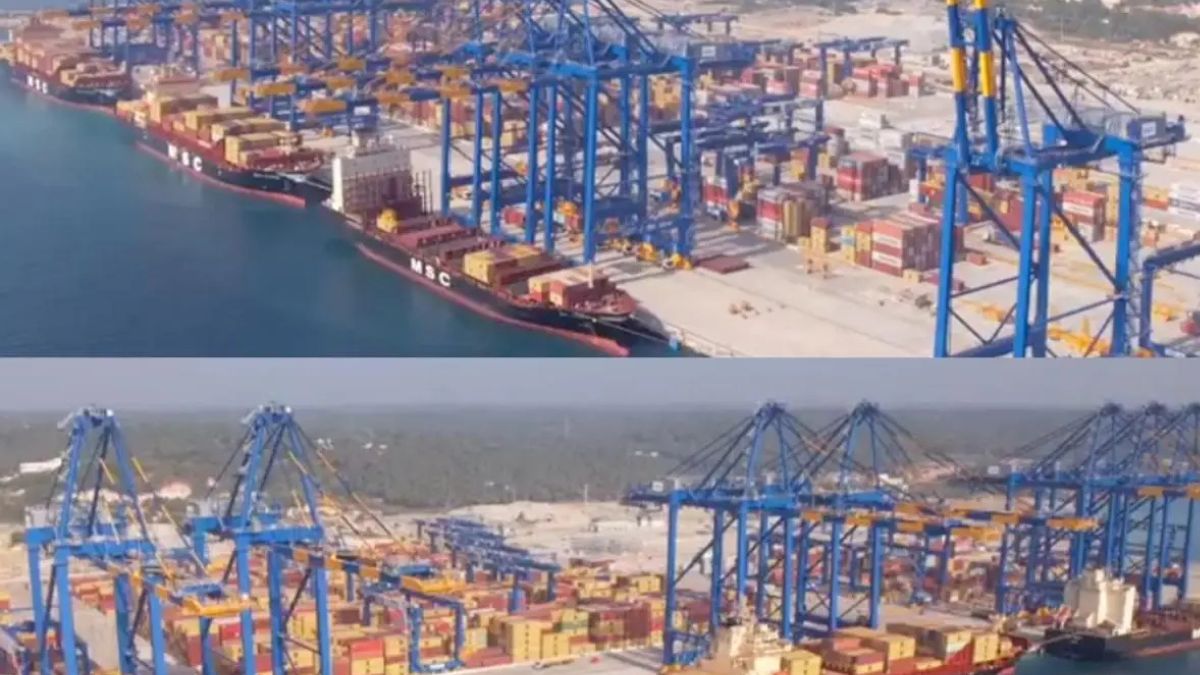
- Prime Minister Narendra Modi will inaugurate the Vizhinjam International Seaport on May 2, 2025, near Thiruvananthapuram, Kerala.
- It is India’s first semi-automated deep-water international container transshipment port, developed under a Public-Private Partnership (PPP) between the Kerala Government and Adani Ports, with an investment of over ₹18,000 crore.
- Strategically located near global shipping routes, the port boosts India’s trade, supports the Make in India initiative, and enhances Kerala’s role as a maritime hub.
Government Announced Pilot Program of ANPR-FASTag-based Barrier-Less Tolling System
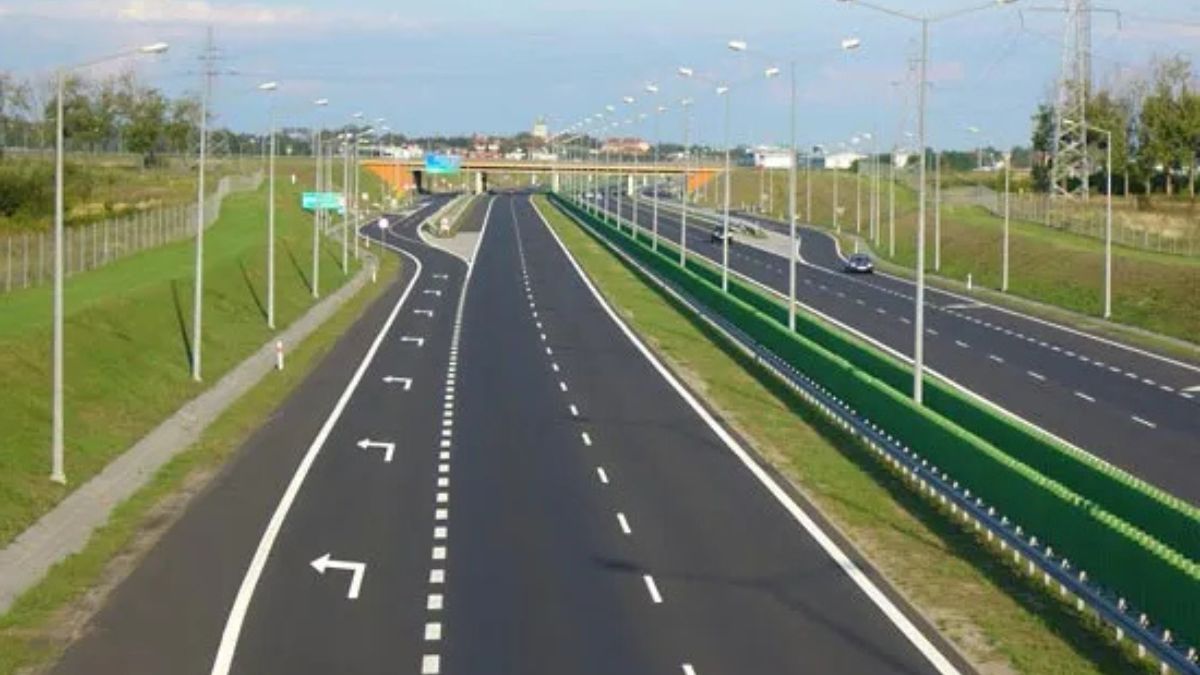
- The Ministry of Road Transport and Highways (MoRTH) and NHAI have clarified that no satellite-based tolling will be launched from May 1, 2025.
- Instead, a pilot project of a Barrier-Less Tolling System using ANPR (Automatic Number Plate Recognition) and FASTag (RFID) is being introduced at selected toll plazas.
- This system aims for seamless toll collection without stopping, with E-notices and penalties for non-compliance. A nationwide rollout will depend on pilot outcomes.
Centre Notifies Radar Speed Measurement Equipment Rules under Legal Metrology Act

- The Department of Consumer Affairs has notified rules for the use of radar equipment to measure vehicle speed under the Legal Metrology (General) Rules, 2011, effective from July 1, 2025.
- The rules mandate that all radar equipment must be verified and calibrated by Legal Metrology authorities to ensure accuracy, compliance with international standards (OIML R 91), and prevent tampering.
- This move aims to improve road safety, reduce wrongful fines, and support fair traffic enforcement while boosting domestic manufacturing and global competitiveness.
2 Cheetahs Will Relocated to Gandhi Sagar WLS on April 20
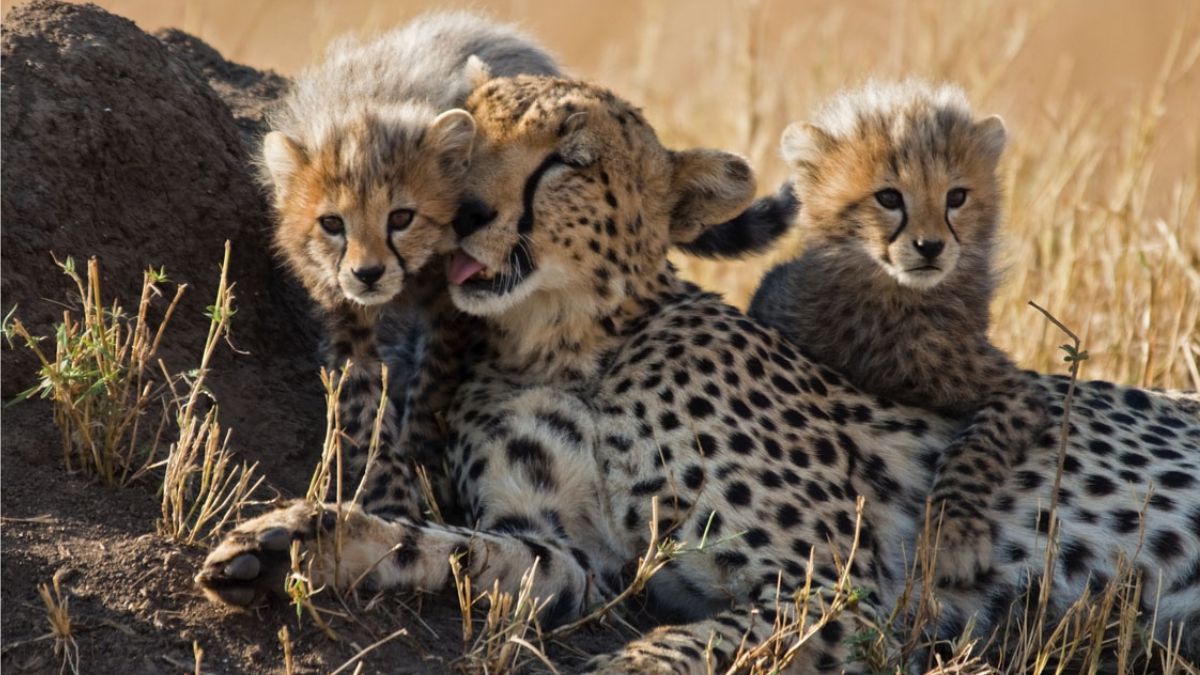
- On April 20, 2025, two male cheetahs (likely Prabhas and Pavak) from Kuno National Park (KNP) will be relocated to Gandhi Sagar Wildlife Sanctuary (GSWS) in Madhya Pradesh, marking a major step in India’s Cheetah Reintroduction Project.
- This expansion aims to establish GSWS as a second home for cheetahs, with 64 sq.km enclosures and a boosted prey base.
- While plans to bring 6–8 cheetahs from South Africa are delayed, 4 cheetahs from Botswana are expected in May.
- The project reflects strong inter-state and international collaboration, supports eco-tourism, and highlights India’s success with the highest cheetah cub survival rate globally.
PM Modi’s Visit to Saudi Arabia (April 22–23, 2025) What to Expect?
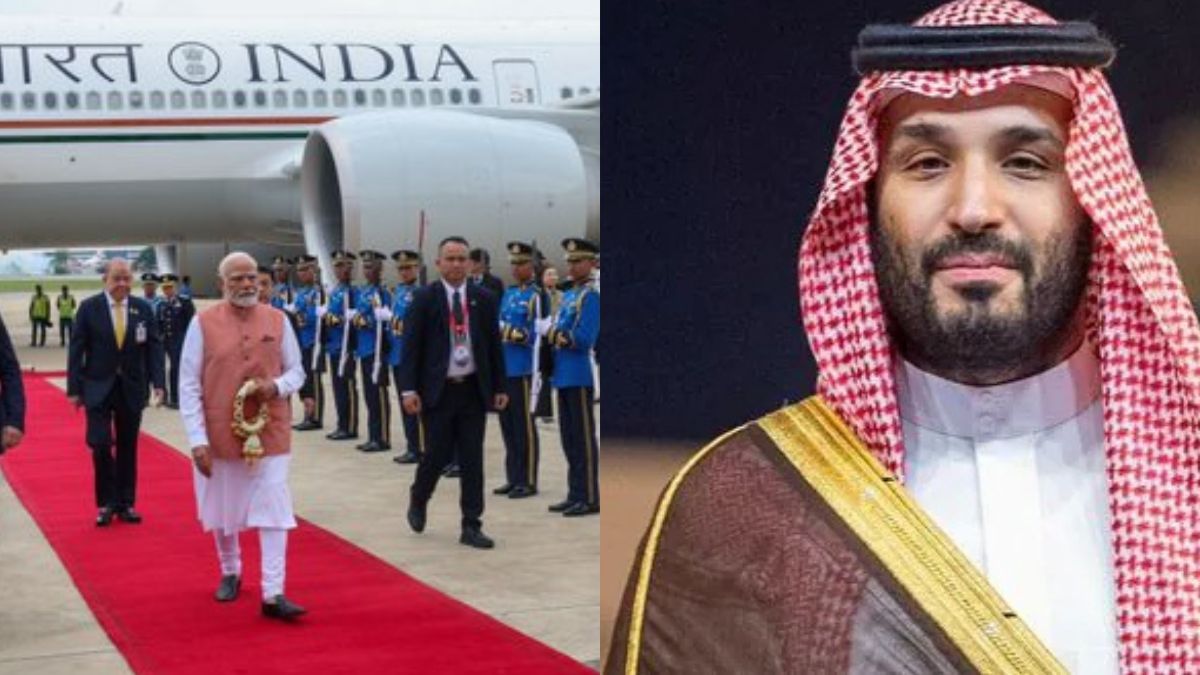
- Prime Minister Narendra Modi will visit Saudi Arabia on April 22–23, 2025, marking his first visit during his third term. The trip aims to deepen ties in trade, energy, defence, and the India-Middle East-Europe Corridor (IMEEC).
- Modi will meet Crown Prince Mohammed bin Salman in Jeddah, with discussions expected on regional stability, Houthi disruptions, and IMEEC revival as a counter to China’s BRI.
- In FY 2023–24, bilateral trade stood at USD 42.98 billion, with India importing 14.3% of crude oil and 18.2% of LPG from Saudi Arabia. Defence cooperation is growing, including naval exercises like ‘Al Mohed Al Hindi’.
State News
Andhra Pradesh Cabinet Approved Draft SC Sub-Categorisation Ordinance
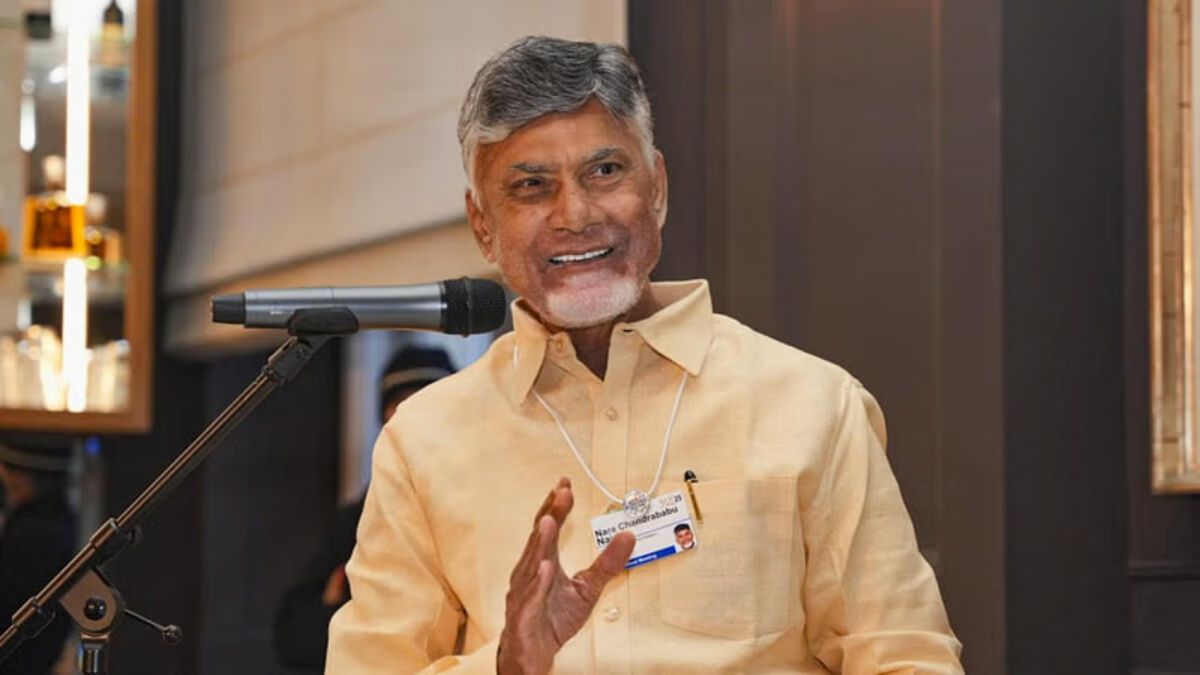
- The Andhra Pradesh Cabinet on April 15, 2025, approved a draft ordinance for sub-categorisation of Scheduled Castes (SCs), enabling “reservation within reservation” to ensure equitable distribution of benefits based on degree of backwardness.
- Based on the Rajeev Ranjan Mishra Commission report, 59 SC sub-castes are divided into three groups—Group 1 (Most Backward – 1.0%), Group 2 (Backward – 6.5%), and Group 3 (Less Backward – 7.5%).
- Backed by the Supreme Court verdict, this move promotes inclusive development and better representation in education, jobs, and governance.
International News
New York City’s Declaration of Dr. B.R. Ambedkar Day
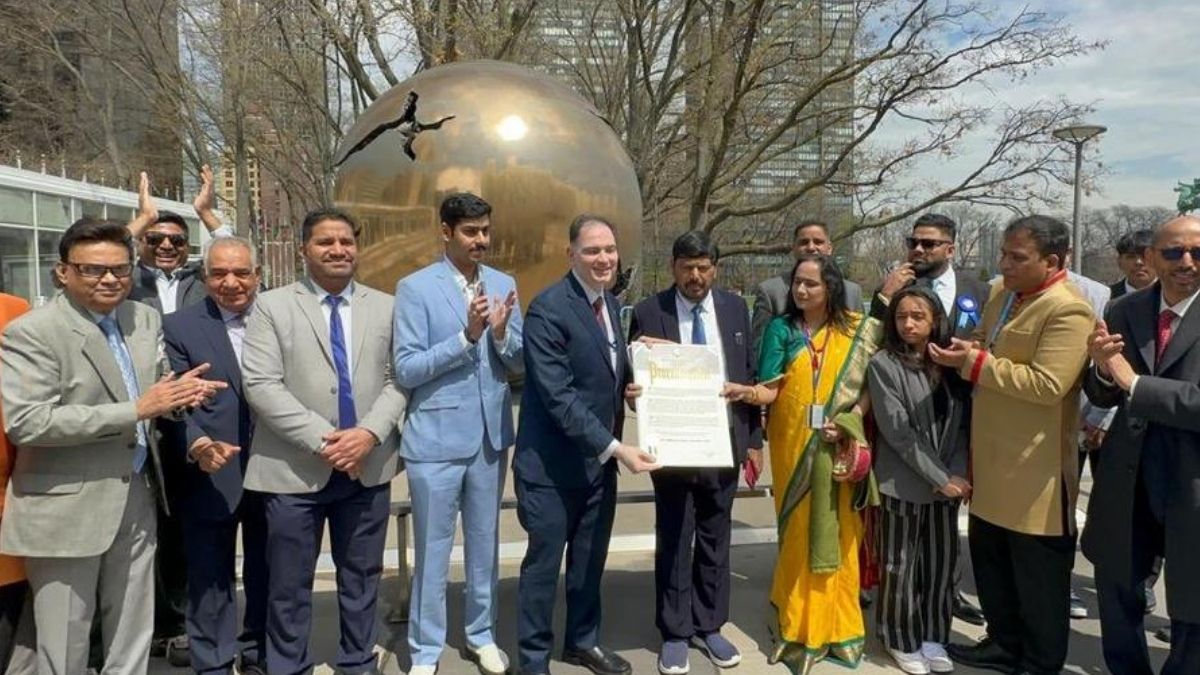
- In a historic move, New York City Mayor Eric Adams proclaimed April 14, 2025, as Dr. B.R. Ambedkar Day, honoring the 135th birth anniversary of the architect of the Indian Constitution.
- The announcement, made at the United Nations Headquarters, featured a keynote by Union Minister Ramdas Athawale, who highlighted Ambedkar’s contributions to social justice, human rights, and the 2030 SDGs.
Banking News
SBI Card and Tata Digital Launch Co-branded Tata Neu SBI Card

- SBI Card has partnered with Tata Digital to launch the Tata Neu SBI Card, available in two variants: Tata Neu Plus and Tata Neu Infinity.
- Both cards offer rewards (NeuCoins), with up to 10% on purchases from Tata Neu and partner brands, redeemable for groceries, fashion, and travel.
- Benefits include lounge access, spend-based annual fee reversal, and cashback on bill payments.The annual fees are Rs 499 for Tata Neu Plus and Rs 1,499 for Tata Neu Infinity, with exclusive discounts from partner brands like Air India, Big Basket, Tanishq, and Croma.
- Applications can be made via SBI Card SPRINT or select Croma stores.
SBI Reviving the ‘Amrit Vrishti’ FD Scheme with New Rates
The State Bank of India (SBI) has reintroduced its ‘Amrit Vrishti’ FD Scheme from April 15, 2025, with revised interest rates targeting mainly senior (7.55%) and super-senior citizens (7.65%), while the general public will earn 7.05% on a unique 444-day tenure. Originally launched in July 2024 and closed in March 2025, the scheme returns with no fixed deadline, aiming to ensure secure, high-return investment options for the elderly under SBI’s senior citizen-focused financial products.
Economy News
India’s Pharma Exports in FY25 Cross $30 Billion Mark
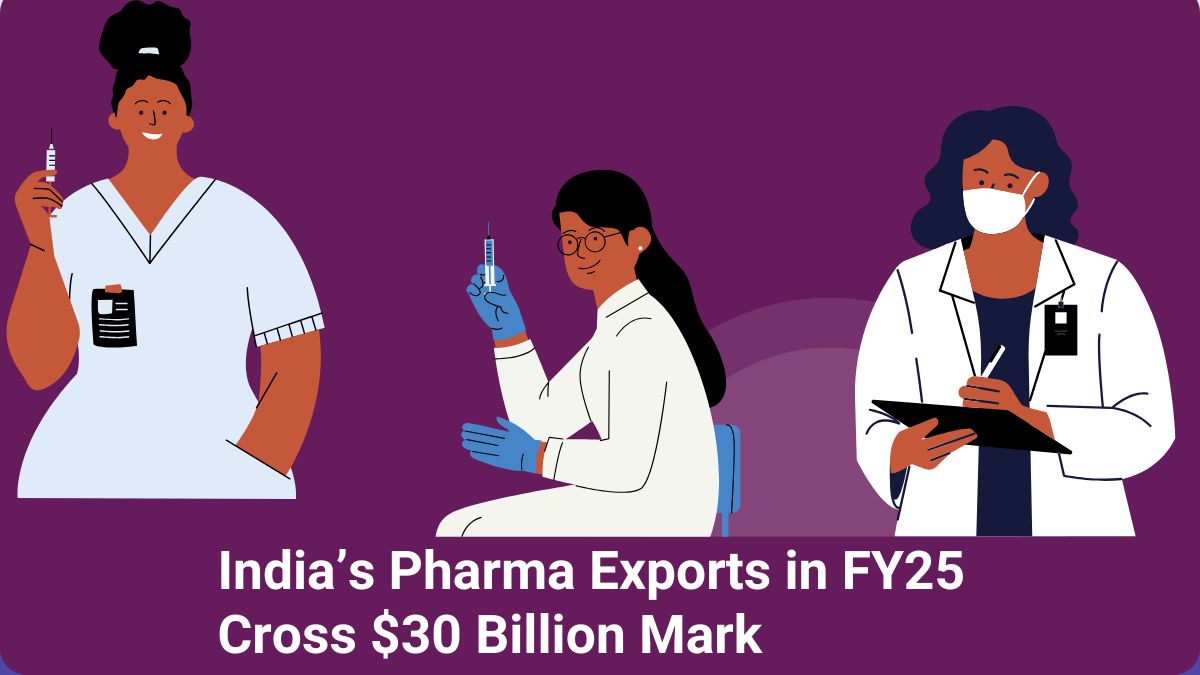
- India’s pharmaceutical exports hit a historic high of $30.47 billion in FY25, surpassing the target of $29.38 billion, driven by a 31.21% YoY surge in March 2025.
- Key contributors included drug formulations and biologicals ($20.12 billion) and robust demand from the United States ($8.95 billion, up 14.29%), with NAFTA accounting for 36.6% of exports.
- Despite global headwinds like tariff threats (from which pharma was exempt) and regional declines in Africa, UAE, and China, India’s pharma sector showed resilience, with Ayush, surgical, and herbal products also registering growth.
Government Clarifies No GST on UPI Transactions Above ₹2,000

- The Finance Ministry has dismissed false reports about imposing GST on UPI transactions above ₹2,000, clarifying that no such proposal exists. Since MDR (Merchant Discount Rate) on person-to-merchant (P2M) UPI transactions was abolished in January 2020, GST is not applicable.
- Backed by exponential UPI growth (₹260.56 lakh crore in FY25 vs ₹21.3 lakh crore in FY20), the government continues to promote digital payments through its UPI Incentive Scheme, with payouts of ₹2,210 crore in FY23 and ₹3,631 crore in FY24, supporting small merchants and financial inclusion.
In FY25 Engineering, Textile, and Apparel Exports Witness Over 6% Growth
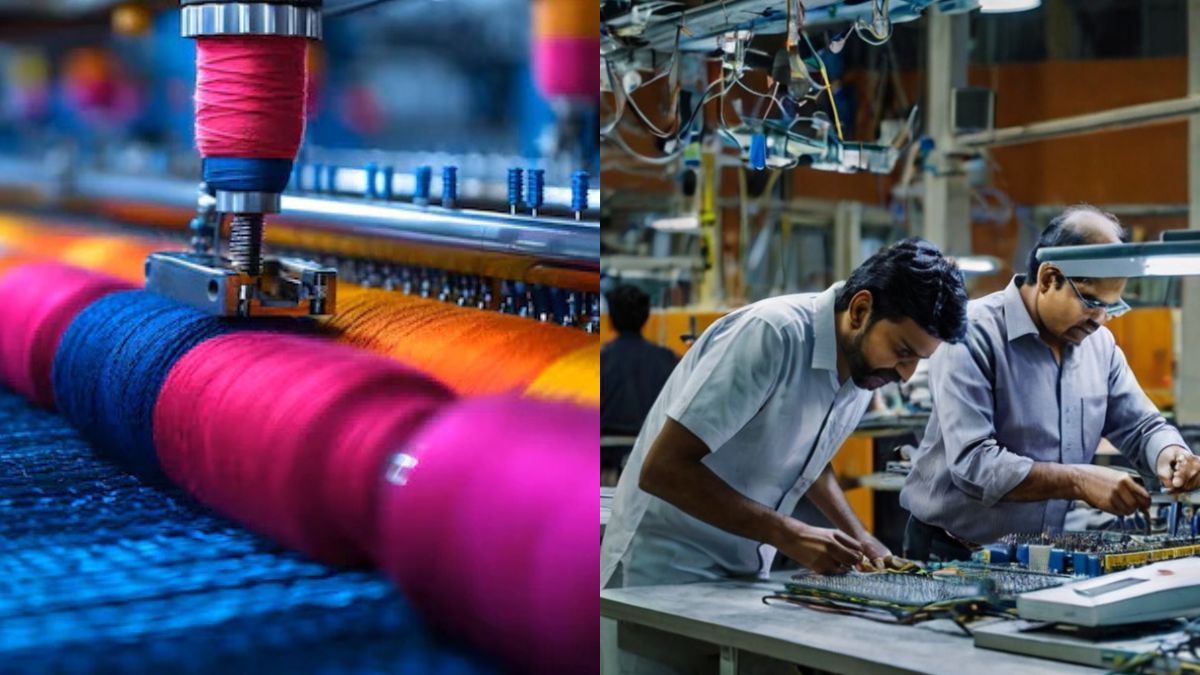
- India’s engineering, textile, and apparel exports recorded over 6% growth in FY25, driven by a 6.74% rise in engineering goods ($116.67B) and a 6.32% boost in textiles, with apparel exports surging 10.03%.
- This growth, amid U.S.–China trade tensions, presents strategic opportunities for India as a trusted alternative supplier, though risks from U.S. tariffs and Chinese competition persist.
- Exporters emphasize the need for policy support and diversification to sustain momentum.
Defense News
India’s First Defence MoU with Slovakia Through JCBL Group
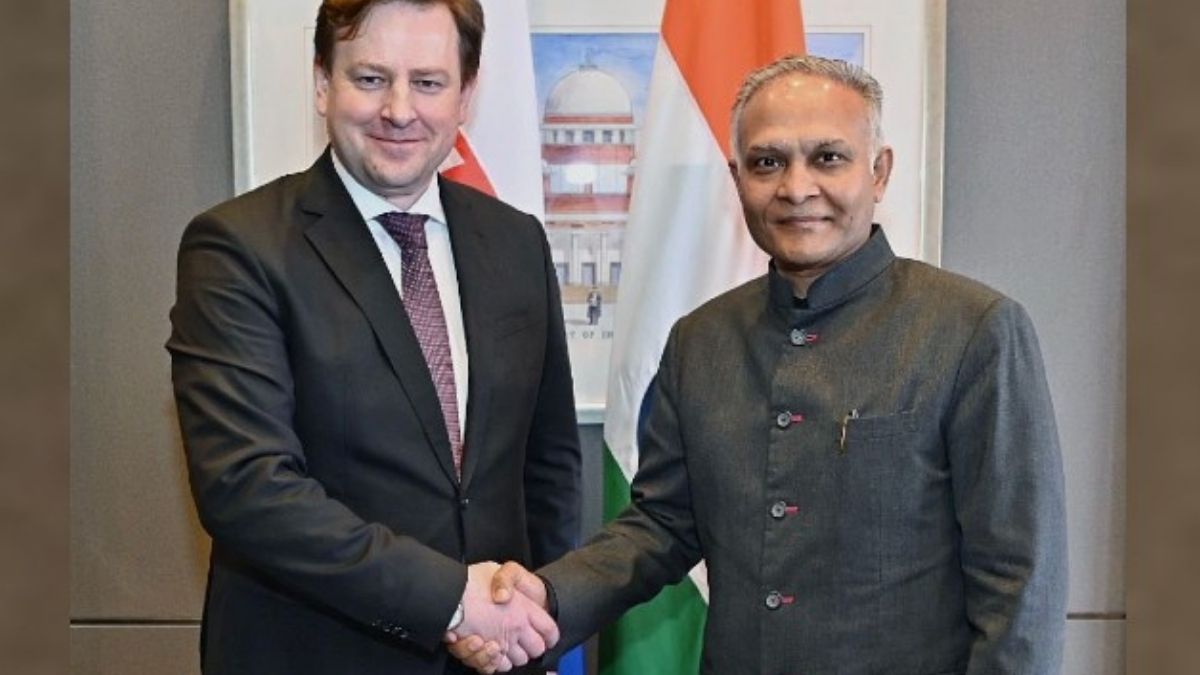
- During President Droupadi Murmu’s April 2025 visit to Slovakia, India and Slovakia signed their first-ever defence MoU, marking a major step in boosting India’s indigenous defence manufacturing.
- The deal involves JCBL Group’s defence arm, ADSL, collaborating with Slovakia to co-develop advanced technologies for light tanks, including turrets, protection systems, and remote weapon systems.
- Aligned with the “Make-in-India” vision, the MoU ensures all manufacturing occurs in India, includes technology transfer, and strengthens self-reliance while opening doors to future defence exports.
Science & Technology News
ISRO-NASA NISAR Mission Likely to Launch in June 2025
- The NISAR (NASA-ISRO Synthetic Aperture Radar) mission, a landmark Earth observation collaboration between ISRO and NASA, is now expected to launch in June 2025 aboard a GSLV.
- Designed to monitor glacier retreat, vegetation change, earthquakes, and ground deformation with 1 cm precision, it will advance climate and disaster models. Originally set for 2024, the launch was delayed due to a 12-metre antenna issue, which required upgrades in the US.
- NISAR marks the first major NASA-ISRO Earth science mission, showcasing joint space innovation.
Important Days News
World Liver Day 2025, Date, Theme, Significance
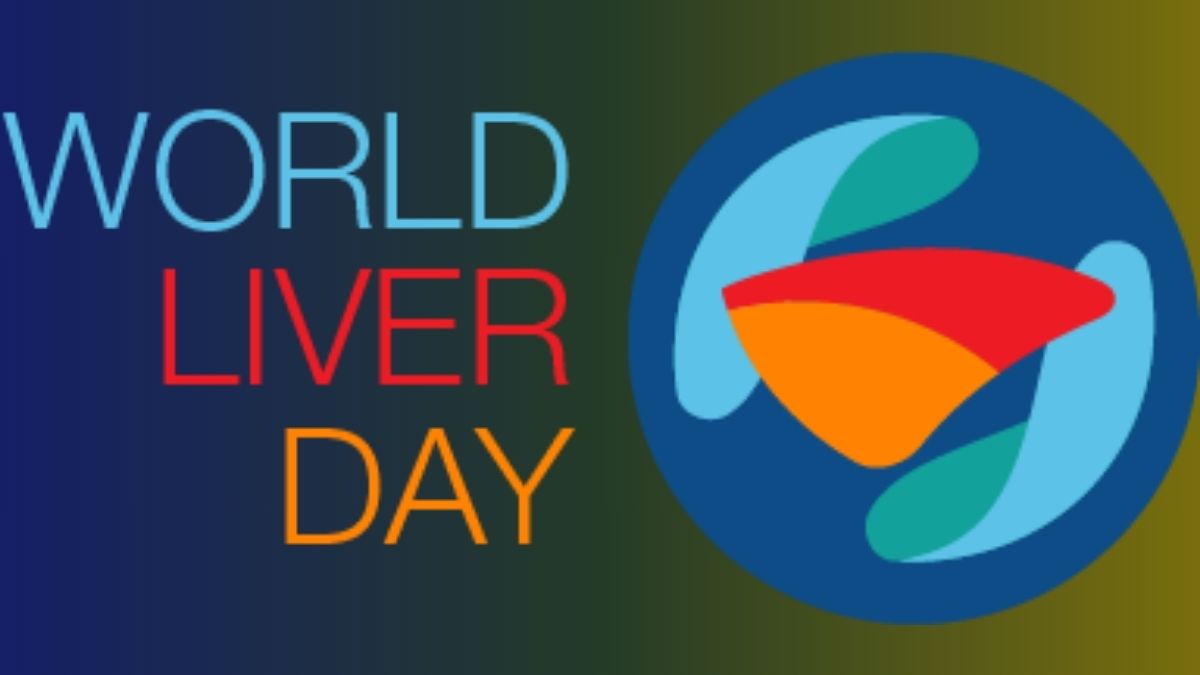
World Liver Day, observed on April 19, raises awareness about liver health and disease prevention. The 2025 theme, “Food is Medicine,” emphasizes the role of nutrition in preventing liver disorders. The liver performs critical functions like detoxification, metabolism, and immune regulation, making its care essential. Poor diet, alcohol abuse, and infections like hepatitis can lead to conditions such as fatty liver, cirrhosis, and liver cancer. A healthy liver can be maintained through a balanced diet, regular exercise, and limiting alcohol. Early lifestyle changes are key to preventing liver disease.






 Daily Current Affairs and GK Updates (26...
 Daily Current Affairs and GK Updates (25...
 Daily Current Affairs Quiz 25th Septembe...