
World Tsunami Awareness Day 2026 is observed on 5 November 2026 (Thursday) to spread awareness about tsunami risks and the importance of disaster preparedness. The day encourages countries, coastal communities and individuals to understand tsunami warning signs, improve emergency response systems and take timely action to protect lives.
World Tsunami Awareness Day 2026
Coordinated by the United Nations Office for Disaster Risk Reduction (UNDRR) and UNESCO, this observance highlights the need for stronger early warning systems and better community readiness. World Tsunami Awareness Day focuses on reducing the risks associated with tsunamis through public education, disaster planning and international cooperation.
World Tsunami Awareness Day 2026: Why Is It Observed?
It reminds people living in coastal regions that preparation before a disaster is as important as emergency action during one.
The observance mainly aims to:
- Increase public understanding of tsunami hazards and their impact.
- Improve early warning and emergency communication systems.
- Encourage coastal communities to identify safe evacuation routes.
- Promote regular disaster management drills in schools and workplaces.
- Strengthen cooperation between countries to reduce tsunami-related losses.
World Tsunami Awareness Day 2026 Theme
The theme for 2026 is “Be Tsunami Ready: Resilience Starts With You“. It highlights the responsibility of individuals and communities in reducing tsunami-related risks.
Its major focus areas include:
- Strengthening tsunami early warning systems.
- Educating coastal communities about natural warning signs.
- Conducting regular evacuation and safety drills.
- Improving emergency communication and response.
- Encouraging individual responsibility for disaster preparedness.
History of World Tsunami Awareness Day
The United Nations General Assembly officially established World Tsunami Awareness Day in December 2015 through Resolution 70/203. The first observance took place on 5 November 2016.
- The date was selected in recognition of a Japanese story known as Inamura-no-hi, meaning “the burning of the rice sheaves”.
- The story dates back to 1854, when a Japanese farmer named Hamaguchi Goryo noticed signs of an approaching tsunami after an earthquake.
- To warn villagers, he set fire to his harvested rice sheaves on higher ground. The villagers noticed the fire and moved towards safety, avoiding the approaching disaster.
- This incident highlights how timely warnings and quick decisions can save lives during natural disasters.
Significance of World Tsunami Awareness Day
World Tsunami Awareness Day highlights the importance of preparedness and international cooperation in reducing the impact of tsunamis. Its key significance includes:
- 1. Saving Lives: Encouraging people to recognise tsunami warning signs and evacuate quickly.
- 2. Early Warning Systems: Promoting reliable alert systems to provide timely information to coastal populations.
- 3. Community Preparedness: Encouraging regular safety drills and emergency planning.
- 4. International Cooperation: Supporting countries in sharing knowledge and disaster management practices.
- 5. Risk Reduction: Promoting safer infrastructure and better coastal planning.
Tsunami Warning Signs and Safety Measures
People living near coastal areas should understand the natural signs of a possible tsunami and know how to respond.
| Natural Warning Signs | Safety Measures |
| Strong or prolonged earthquake | Immediately move inland or to higher ground. |
| Sudden withdrawal of seawater | Stay away from the exposed seabed and evacuate. |
| Unusual rise in sea level | Move towards a safe elevated location. |
| Loud roaring sound from the ocean | Treat it as a warning and move away from the coast. |
| Official tsunami alert | Follow instructions issued by local authorities |
Global Initiatives for Tsunami Risk Reduction
Several international initiatives support countries and communities in improving disaster preparedness:
- Sendai Framework for Disaster Risk Reduction 2015–2030: Focuses on reducing disaster risks and strengthening resilience.
- Early Warnings for All Initiative: Aims to ensure that everyone receives timely and effective early warnings.
- Tsunami Ready Recognition Programme: Promoted by UNESCO-IOC to improve tsunami preparedness in coastal communities.








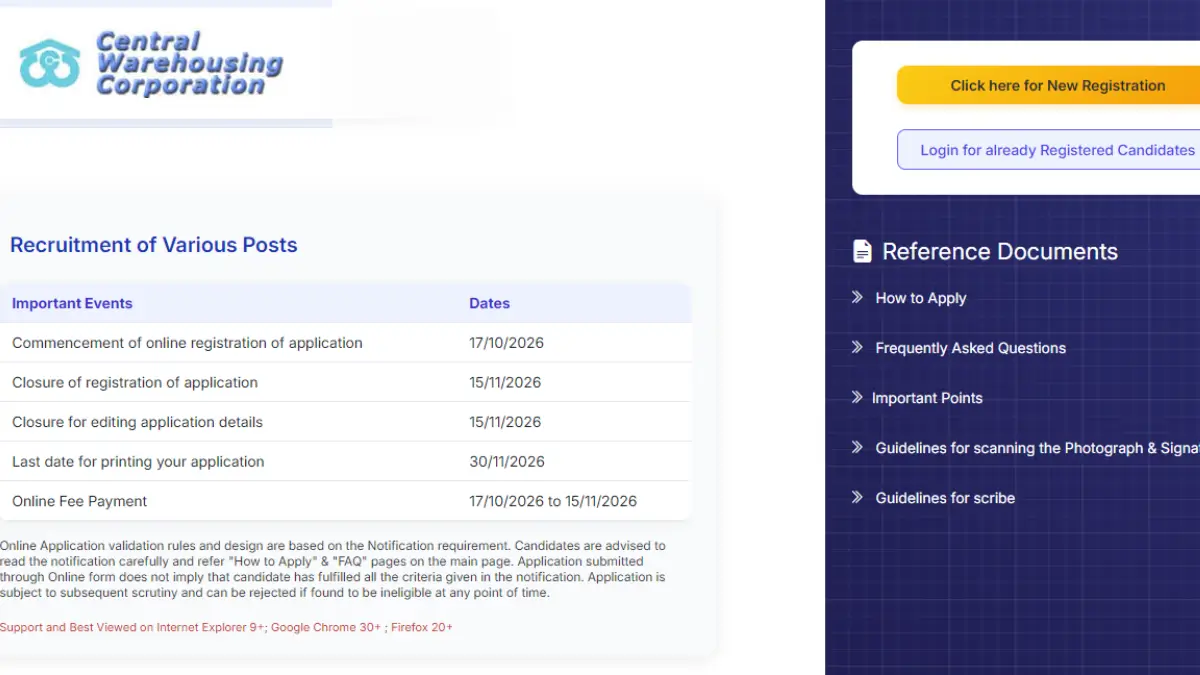 CWC Apply Online 2026 Link Active, Check...
 Is RBI Grade B tougher than CAT? Check E...
 NICL Apprentice Recruitment 2026 Notific...