
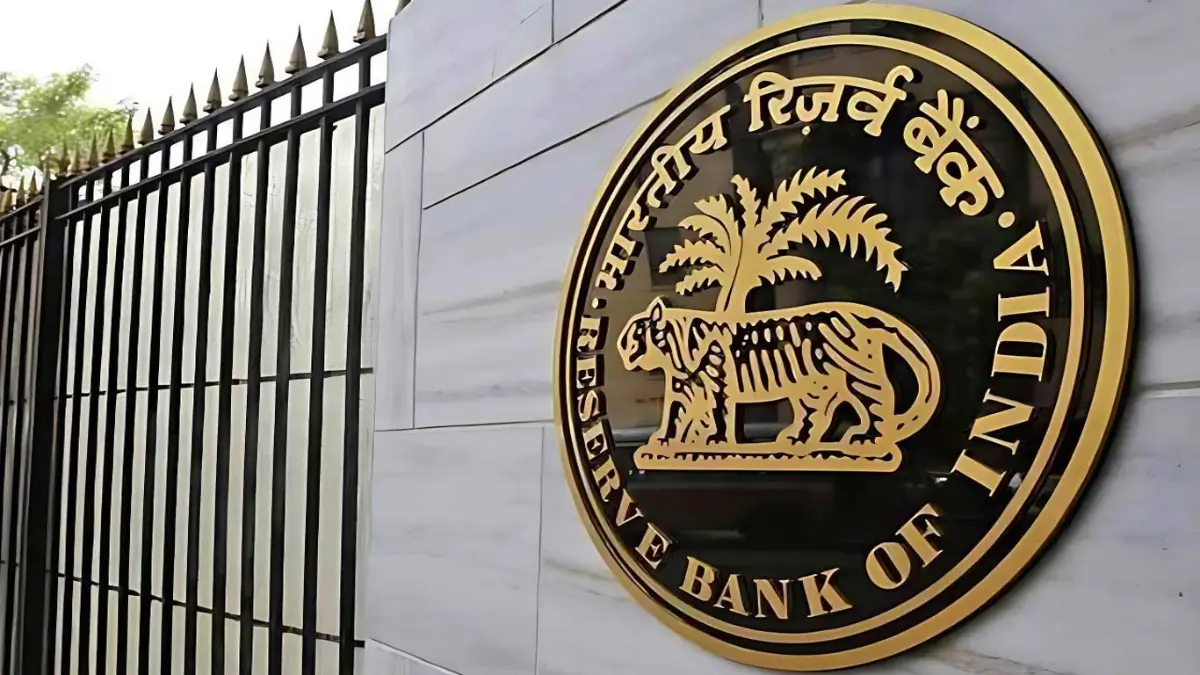
The RBI Grade B 2026 examination has once again become one of the most competitive banking and regulatory body exams in the country. This year, the Reserve Bank of India has announced only 60 vacancies for the Grade B Officer post, while nearly 62,000 candidates are expected to appear for the examination. With the RBI Grade B Phase I Exam scheduled on 13 June 2026, the competition level has become extremely intense, making strategic preparation more important than ever for aspirants targeting selection.
RBI Grade B 2026 Exam For 60 Posts and 62K Applicants
Despite the low number of vacancies, thousands of aspirants continue to prepare seriously for RBI Grade B because of the salary, career growth, work profile, and prestige associated with the central banking institution. However, candidates should understand that selection in RBI Grade B is not purely about hard work or study hours. The examination rewards clarity of concepts, smart revision, current affairs awareness, answer-writing ability, and consistent mock practice.
The actual competition is not against all applicants but against the serious and prepared candidates who manage to clear sectional and overall cut-offs.
RBI Grade B 2026 Competition Level
The RBI Grade B examination has one of the lowest selection ratios among banking examinations in India. With around 62,000 applicants competing for just 60 vacancies, the competition has become exceptionally tough.
| Particulars | Details |
| Total Vacancies | 60 |
| Expected Applicants | Around 62,000 |
| Phase I Exam Date | 13 June 2026 |
| Conducting Body | Reserve Bank of India |
| Selection Stages | Phase I, Phase II, Interview |
| Approximate Selection Ratio | 1:1033 |
Expected Difficulty Level of RBI Grade B 2026
The RBI Grade B examination is known for maintaining moderate to great difficulty standards, especially in General Awareness and Phase II papers. Questions often test conceptual understanding rather than direct memorisation.
| Section | Expected Difficulty |
| General Awareness | Moderate to Difficult |
| Reasoning Ability | Moderate |
| Quantitative Aptitude | Moderate to Slight Difficult |
| English Language | Moderate |
| Finance & Management | Moderate |
| Economic & Social Issues | Moderate to Difficult |



Common Reasons Why Candidates Fail RBI Grade B
Many aspirants spend months studying but still fail to clear the examination because of avoidable mistakes in strategy and execution. Understanding these mistakes early can significantly improve performance.
- Ignoring Phase II preparation initially
- Lack of current affairs revision
- Not practising descriptive answers
- Attempting too many mock tests without analysis
- Weak time management during Phase I
- Ignoring sectional cut-offs
- Depending entirely on rote learning
How Serious Aspirants Prepare for RBI Grade B
Candidates who successfully clear the RBI Grade B usually follow a highly structured preparation plan. They combine conceptual learning with revision, current affairs preparation, and regular answer writing.
- Daily Newspaper Reading: Improves GA and descriptive writing
- Mock Test Analysis: Identifies weak areas
- Notes Preparation: Faster revision
- Answer Writing Practice: Improves descriptive papers
- Revision Cycles: Better retention
- PYQ Analysis: Understanding question trends
Importance of Phase I Exam on 13 June 2026
The RBI Grade B Phase I Exam scheduled on 13 June 2026 will be the first major hurdle for aspirants. Since Phase I acts as a screening test, candidates must balance speed and accuracy effectively during the examination.
The General Awareness section often becomes the deciding factor because it carries substantial weightage and can significantly impact overall scores. Candidates should revise current affairs, RBI reports, banking updates, government schemes, and economic developments thoroughly during the final revision phase.
Can Average Students Crack RBI Grade B?
Yes, average students can definitely crack RBI Grade B with disciplined preparation and consistency. The exam does not demand extraordinary academic brilliance but requires smart preparation, patience, and exam temperament.
Many successful candidates were not toppers academically but managed to clear the exam through consistency and proper strategy. Candidates who remain disciplined for several months usually perform much better than those relying on short-term, intense preparation.
Selection Possibility in RBI Grade B 2026
Candidates who maintain consistency for several months generally perform much better than last-minute learners.
The Phase I examination mainly acts as a screening stage, while the real competition intensifies during Phase II and the interview. Aspirants who prepare Phase II topics early often gain a major advantage over other candidates. Factors That Improve Selection Chances
- Strong command over current affairs
- Regular mock test practice
- Effective time management
- Good descriptive writing ability
- Conceptual clarity in Finance and Economics
- Revision-based preparation strategy
- Maintaining accuracy during Phase I
Although the vacancy count is low, the actual selection possibility depends more on preparation quality than raw competition numbers.

| Related Posts | |
| RBI Grade B Syllabus | RBI Grade B Selection Process |
| RBI Grade B Salary | RBI Grade B Previous Year Paper |


 Ayush Grid Initiative, Project Cheetah, ...
 Top 50 Profit and Loss Questions for Ban...
 UP Cooperative Bank Exam Date 2026, Chec...