SSC CGL Notification 2026 Out @ssc.gov.in, Check Dates, 12,256 Vacancy, Eligibility & Apply Link

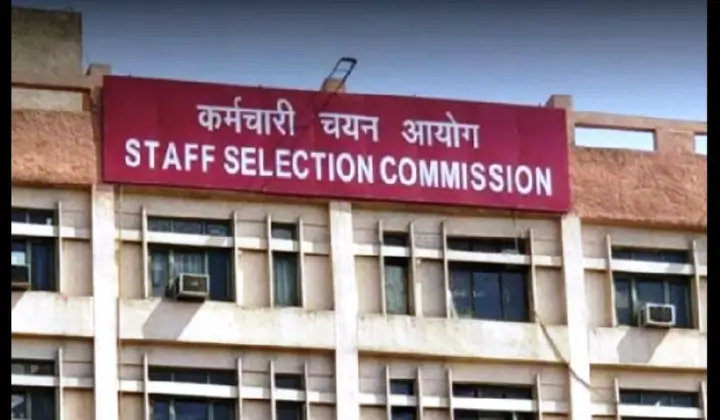
The Staff Selection Commission (SSC) has officially released the SSC CGL Notification 2026 on its official website, ssc.gov.in on 21 May 2026. Through this recruitment, the commission aims to recruit candidates for various posts under the Combined Graduate Level (CGL) Examination, offering a significant number of vacancies across multiple government departments and ministries.

SSC CGL Notification 2026 Out

Candidates aspiring to secure a reputed government job can submit their applications within the specified registration period. This article provides complete details about the SSC CGL 2026, including important dates, vacancy information, eligibility criteria, selection process, exam pattern, and other essential guidelines. Go through the detailed information below to understand the recruitment process thoroughly.

SSC CGL Notification 2026: Click Here to Download

SSC CGL 2026 Important Dates

The SSC CGL 2026 Important Dates help candidates stay updated with all key events of the recruitment process, from notification release to the exam schedule. Keeping track of these dates is crucial to avoid missing any deadlines and to plan your preparation effectively.

Event Important Dates
Dates for Submission of Online Applications 21 May 2026 to 22 June 2026
Last Date & Time for Receipt of Online Applications 22 June 2026 (up to 11:00 PM)
Last Date & Time for Online Fee Payment 23 June 2026 (up to 11:00 PM)
Application Form Correction Window 29 June 2026 to 01 July 2026
Tentative SSC CGL Tier-I Exam Date August – September 2026
Tentative SSC CGL Tier-II Exam Date December 2026

SSC CGL Vacancy 2026

The Staff Selection Commission has announced a total of 12,256 vacancies for SSC CGL 2026 across various ministries and departments of the Government of India. The detailed category-wise and post-wise vacancy distribution will help candidates understand the opportunities available and plan their applications accordingly.

SSC CGL Vacancy Trends

The Staff Selection Commission Combined Graduate Level (SSC CGL) examination is one of the most popular government recruitment exams in India. Every year, lakhs of candidates apply for SSC CGL vacancies across various ministries and departments. In 2026, the total number of vacancies is comparatively lower than the previous two years, but it still offers a significant opportunity for aspirants preparing for central government jobs. The table below highlights the year-wise SSC CGL vacancy trends from 2017 to 2026.

CGL Year Vacancies
SSC CGL 2026 12,256
SSC CGL 2025 14,582
SSC CGL 2024 17,727
SSC CGL 2023 8,415
SSC CGL 2022 37,409
SSC CGL 2021 7,621
SSC CGL 2020 7,035
SSC CGL 2019 8,428
SSC CGL 2018 11,271
SSC CGL 2017 9,276

SSC CGL 2026 Eligibility Criteria

Before applying for the SSC CGL 2026 exam, candidates must ensure they meet all the eligibility requirements set by the Staff Selection Commission. These include educational qualifications, age limits, relaxations, and nationality conditions.

Educational Qualification

For Most Posts (Assistant Section Officer, Inspector, Auditor, Tax Assistant, etc.)

  • Bachelor’s degree in any discipline from a recognized university
  • Final-year students can also apply (subject to passing within the required timeline)

Junior Statistical Officer (JSO)

Graduation with either:

  • Minimum 60% marks in Mathematics in Class 12, OR
  • Statistics as a subject at the graduation level

Statistical Investigator Grade-II

  • Bachelor’s degree with Statistics as a subject
  • Must have studied Statistics along with subjects like Mathematics or Economics

Research Assistant (NHRC)

  • Bachelor’s degree from a recognized university
  • Minimum 1 year of research experience

Desirable: Background in Law or Human Rights

Assistant Audit Officer / Assistant Accounts Officer (AAO)

  • Bachelor’s degree in any discipline
  • Desirable qualifications: CA, CMA, CS, M.Com, MBA (Finance), etc.

SSC CGL Post Wise Age Limit 2026

SSC CGL offers recruitment for multiple Group B and Group C posts under different ministries, departments, and organizations. The age limit varies according to the post and department. Candidates must carefully check the eligibility criteria before applying, as each post comes with specific age requirements and responsibilities. The table below provides the detailed age limit along with the major posts covered under SSC CGL recruitment.

Age Limit Posts Covered
18–27 years Auditor, Accountant, Junior Accountant, Postal Assistant, Sorting Assistant, Senior Secretariat Assistant, Upper Division Clerk (UDC), Senior Administrative Assistant, Tax Assistant, Sub-Inspector (CBN)
18–30 years Assistant Audit Officer (AAO), Assistant Accounts Officer (AAO), Assistant Section Officer (ASO), Inspector of Income Tax, Inspector (Central Excise), Inspector (Preventive Officer), Inspector (Examiner), Assistant Enforcement Officer (AEO), Inspector Posts, Executive Assistant, Research Assistant, Divisional Accountant, Sub Inspector (NIA), Junior Intelligence Officer, Statistical Investigator Grade-II, Office Superintendent, Section Head
20–30 years Assistant Section Officer (CSS, Railways, MEA, AFHQ), Sub Inspector (CBI)
18–32 years Junior Statistical Officer (JSO)

Nationality

  • Must be a citizen of India, OR
  • A subject of Nepal or Bhutan, OR
  • A Tibetan refugee who came to India before 1 January 1962, OR
  • A person of Indian origin who migrated from specified countries with the intention of permanent settlement in India

SSC CGL 2026 Online Application

The Staff Selection Commission has opened the online application process for SSC CGL 2026 on its official portal, ssc.gov.in. Eligible candidates can register by filling in their personal and academic details, uploading necessary documents, and completing the payment of the application fee. Applicants are advised to submit their forms well before the last date to avoid any technical or payment issues.

SSC CGL Apply Online 2026 Link

Home_3.1

SSC CGL 2026 Application Fees

Candidates applying for SSC CGL 2026 are required to pay an application fee of ₹100 while submitting the form online at the official SSC portal, www.ssc.gov.in. However, women candidates and those belonging to SC, ST, PwBD, and Ex-Servicemen (ESM) categories are exempted from paying this fee. Payment can be made securely through BHIM UPI, Net Banking, or using Visa, Mastercard, Maestro, or RuPay Debit cards.

SSC CGL 2026 Exam Pattern

The SSC CGL 2026 examination will be conducted in multiple tiers to evaluate candidates’ overall aptitude and subject knowledge. Tier-I serves as the preliminary screening test for all posts, while Tier-II is tailored according to specific roles. Certain papers in Tier-II, such as Paper II, are applicable only for posts like Junior Statistical Officer (JSO) and Statistical Investigator Grade-II. Both tiers will be conducted in online mode.

SSC CGL 2026 Exam Pattern
Section No. of Qs. Max. Marks Duration
General Intelligence and Reasoning 25 50 60 minutes
General Awareness 25 50
Quantitative Aptitude 25 50
English Comprehension 25 50
Total 100 100 1 hour

SSC CGL 2026 Selection Process

The selection process for SSC CGL 2026 is just check to candidates’ knowledge, analytical skills, and suitability for various government posts. It consists of multiple stages, ensuring a fair evaluation of all applicants. The key stages include:

Tier-I (Prelims Exam):

  • Objective-type exam testing General Awareness, Quantitative Aptitude, English Comprehension, and Reasoning Ability.
  • Acts as a screening test for Tier-II.

Tier-II (Mains Exam):

  • Objective-type paper with a higher difficulty level.
  • Includes Quantitative Abilities, English Language & Comprehension, Statistics (for specific posts), and General Studies (Finance & Economics for certain posts).

Tier-III (Descriptive Paper):

  • Written exam in English/Hindi to evaluate writing skills.
  • Includes essay, letter, or application writing.

Tier-IV (Skill Test / Computer Proficiency Test / Document Verification):

  • Conducted for posts requiring specific skills such as data entry, typing, or computer proficiency.
  • Final selection is based on cumulative performance in all stages, along with document verification.

SSC CGL 2026 Salary

SSC CGL offers an attractive pay scale along with perks and allowances for candidates joining various Group B and Group C government posts. The salary varies depending on the post, level, and responsibilities, providing a competitive package for fresh recruits. In addition to the basic pay, employees are entitled to benefits such as Dearness Allowance (DA), House Rent Allowance (HRA), Transport Allowance, and other government perks, making it a lucrative career option.

Assistant Section Officer (CSS) / Inspector (Income Tax, Central Excise, Preventive Officer, Examiner) / Sub-Inspector (CBI)

  • Level: 7
  • Pay Scale: ₹44,900 – ₹1,42,400
  • Approximate Gross Salary: ₹55,000 – ₹65,000 per month

Junior Statistical Officer (JSO) / Divisional Accountant / Sub Inspector (NIA)

  • Level: 6
  • Pay Scale: ₹35,400 – ₹1,12,400
  • Approximate Gross Salary: ₹45,000 – ₹55,000 per month

Auditor / Accountant / Junior Accountant

  • Level: 5
  • Pay Scale: ₹29,200 – ₹92,300
  • Approximate Gross Salary: ₹40,000 – ₹50,000 per month

Tax Assistant (CBEC / CBDT)

  • Level: 4
  • Pay Scale: ₹25,500 – ₹81,100
  • Approximate Gross Salary: ₹35,000 – ₹45,000 per month

Daily Current Affairs and GK Updates (21st May, 2026)

National News

AI-Powered Mahatma Gandhi Avatar Launched at Pradhanmantri Sangrahalaya

  • Pradhanmantri Sangrahalaya has launched its third AI-powered HoloBox featuring Mahatma Gandhi, allowing visitors to interact with a life-like 3D virtual version through AI-driven conversations and holographic technology.
  • The interactive exhibit combines artificial intelligence, immersive storytelling, and digital holographic displays to create engaging educational experiences and make museum visits more dynamic for younger audiences.
  • Earlier AI HoloBox installations at the museum featured Sardar Vallabhbhai Patel and APJ Abdul Kalam, while a new AI avatar of Atal Bihari Vajpayee is expected soon.
  • The initiative highlights India’s growing use of AI and digital technology in heritage spaces, helping preserve political history while improving visitor engagement, accessibility, and interactive learning experiences.

PM Modi Receives FAO Agricola Medal in Rome for Sustainable Agriculture and Rural Development

  • Narendra Modi was conferred with the prestigious Food and Agriculture Organization Agricola Medal during his visit to Italy, recognizing his contributions to sustainable agriculture, food security, and rural development.
  • The FAO honoured India’s efforts in promoting climate-resilient farming, farmer welfare, agricultural innovation, and sustainable food systems under PM Modi’s leadership.
  • PM Modi dedicated the award to India’s farmers, livestock rearers, fishers, scientists, and agricultural workers, calling them the backbone of the nation’s food security and development.
  • He also highlighted that agriculture in India is deeply connected to culture and human welfare, describing farming as a sacred relationship between people and nature.

India Launches Arunachal Kiwi Mission with Focus on Exports, Cold Storage, and Branding

  • The Government of India has launched the ‘Arunachal Kiwi: The USP of Arunachal Pradesh’ Mission with a ₹167 crore outlay to develop Arunachal Pradesh into a premium organic kiwi production hub.
  • Led by Union Minister Jyotiraditya Scindia under the Ministry of Development of North Eastern Region, the mission focuses on cluster-based cultivation, cold-chain infrastructure, branding, and export promotion.
  • The initiative aims to improve farmer incomes by 4–6 times, reduce distress sales, strengthen FPOs, and promote the premium brand “Arunachal Organic Kiwi” in domestic and global markets.
  • Major post-harvest hubs will be developed in regions like Ziro Valley, Dirang, Kalaktang, Shi Yomi, and Dibang Valley to support sustainable horticulture and value-chain development.

International News

India-Italy Special Strategic Partnership Explained: Key Outcomes from PM Modi’s Italy Visit

  • Indian Prime Minister Narendra Modi and Italian Prime Minister Giorgia Meloni have elevated bilateral ties to a Special Strategic Partnership, marking a major diplomatic upgrade between India and Italy.
  • Both nations set a target of €20 billion bilateral trade by 2029, focusing on sectors like semiconductors, AI, clean energy, defence, infrastructure, and critical minerals.
  • The partnership also strengthens cooperation in IMEC connectivity, maritime transport, defence manufacturing, counterterrorism, space research, and innovation ecosystems through initiatives like INNOVIT India.
  • India and Italy additionally announced plans for a Year of Culture and Tourism in 2027, expanding collaboration in heritage, education, film, and cultural diplomacy.

India Takes Over Chairmanship of Regional Cooperative Agreement (RCA) for 2026 Under IAEA

  • India has officially assumed the chairmanship of the Regional Cooperative Agreement (RCA) for 2026 under the International Atomic Energy Agency, strengthening its role in peaceful nuclear cooperation.
  • The announcement was made during the 48th Meeting of National Representatives held in Navi Mumbai, attended by delegates from Asia-Pacific and African nations.
  • The RCA promotes collaboration in areas such as healthcare, cancer treatment, agriculture, water management, radiation technology, and environmental sustainability through nuclear science applications.
  • India, a founding contributor to RCA since discussions at Bhabha Atomic Research Centre in 1964, continues to play a major role in regional scientific and technological cooperation.

New Delhi Hosts 68th APO Governing Body Meeting with Asia-Pacific Delegates

  • India is hosting the 68th Session of the Asian Productivity Organization (APO) Governing Body from 20–22 May 2026 at Bharat Mandapam, bringing together policymakers and experts from across the Asia-Pacific region.
  • The summit will focus on APO Vision 2030, productivity-led economic transformation, budget planning, governance reforms, and leadership elections for the organization.
  • More than 60 delegates from 20 member economies, along with observers from countries like Kazakhstan, Uzbekistan, and Bhutan, are participating in the high-level discussions.
  • The event will also feature the APO National Awards, recognizing contributions in productivity innovation, technical expertise, and sustainable socioeconomic development.

State News

AI to Power Simhastha 2028 as Madhya Pradesh Partners with Google Cloud India

  • The Madhya Pradesh government has partnered with Google Cloud to deploy AI-driven solutions for Simhastha Kumbh 2028 in Ujjain, one of India’s largest religious gatherings.
  • The initiative will use artificial intelligence for crowd management, traffic prediction, emergency response, and pilgrim assistance, improving safety and operational efficiency during the mega event.
  • A planned Centre of Excellence in Indore will focus on AI innovation, research, and skill development to support large-scale digital governance solutions.
  • The collaboration aims to enhance real-time monitoring, congestion control, and pilgrim services, ensuring smoother management of millions of devotees during the Kumbh.

Civil Aviation Minister Ram Mohan Naidu inaugurates Bhagwan Birsa Munda Statue & Feature Wall at Ranchi Airport

  • Birsa Munda Airport introduced new passenger facilities including the Bhagwan Birsa Munda statue, UDAN Yatri Café, Kids Zone, Flybrary, and AVSAR Counter to improve travel experience and showcase Jharkhand’s cultural identity.
  • The tribute installation honours Birsa Munda, the legendary tribal leader known for resisting British colonial rule and symbolising indigenous pride and social reform in Jharkhand.
  • The UDAN Yatri Café aims to provide affordable food options for passengers, supporting the government’s vision of making air travel more inclusive, accessible, and passenger-friendly under the Ease of Flying initiative.
  • Ram Mohan Naidu also announced plans under the Modified UDAN scheme to develop 100 new airports and 200 heliports, strengthening India’s regional air connectivity infrastructure.

Kerala Launches India’s First Dedicated Cabinet-Level AI Portfolio Under New UDF Government

  • Kerala has become the first Indian state to create a dedicated Artificial Intelligence (AI) portfolio at the cabinet level, formally recognizing AI as a separate administrative domain in governance.
  • The new portfolio has been assigned to senior P. K. Kunhalikutty and placed under the Industries and Commerce Department along with IT, startups, and industrial development sectors.
  • The move highlights Kerala’s focus on using AI for governance, economic growth, healthcare, education, manufacturing, and startup innovation, positioning the state as a leader in digital policy reforms.
  • By giving AI an independent cabinet identity, the government aims to accelerate technology-driven public services, industrial modernization, and innovation-led economic development.

ShramMitra App Launched in Haryana to Replace Traditional Labour Chowk System

  • The Haryana government has launched the ShramMitra app, a digital platform designed to directly connect workers and employers and modernize the state’s labour market system.
  • Introduced by Labour Minister Anil Vij, the app enables online job matching, skill-based worker registration, and direct wage negotiations, reducing dependence on traditional labour chowks.
  • Developed by the Haryana Building and Other Construction Workers Welfare Board, it already includes data for around 75,000 registered workers across the state.
  • The platform supports multilingual access and mobile-based hiring, aiming to improve transparency, accessibility, and employment opportunities for daily wage and skilled workers.

Banking News

RBI Announces Major Liquidity Support Measure Amid Rupee Weakness and Global Market Risks

  • The Reserve Bank of India has announced a $5 billion USD-INR buy/sell swap auction to inject long-term liquidity into the banking system amid global market volatility and pressure on the rupee.
  • Under this three-year swap arrangement, banks will temporarily sell US dollars to the RBI and receive rupee funds, helping improve liquidity and maintain financial stability.
  • The move is aimed at addressing challenges such as global uncertainty, capital flow volatility, inflation risks, and a stronger US dollar, which have impacted the Indian currency.
    Scheduled for May 26, the auction reflects RBI’s broader strategy of using forex swaps and liquidity tools to support smooth credit flow and stable financial market conditions.

Economy News

UN Lowers India’s 2026 GDP Growth Forecast to 6.4% Amid Global Uncertainty

  • The United Nations Department of Economic and Social Affairs has revised India’s GDP growth forecast for 2026 slightly downward to 6.4% from 6.6%, citing global economic uncertainty and geopolitical tensions.
  • The report highlights that rising crude oil prices, West Asia conflicts, inflationary pressures, and tighter global financial conditions are key risks affecting growth.
  • Despite the downgrade, India remains one of the world’s fastest-growing major economies, supported by strong domestic demand, infrastructure spending, and services exports.
  • The UN also projects a recovery to 6.6% growth in 2027, indicating that the slowdown is likely to be temporary rather than structural.

Business News

Bharti Airtel Briefly Becomes India’s Second Most Valuable Company, Overtaking HDFC Bank in Market Race

  • Bharti Airtel briefly surpassed HDFC Bank in market capitalisation during intra-day trading, touching nearly ₹11.91 trillion before ending slightly lower by market close.
  • Investor confidence in Airtel improved due to strong earnings visibility, robust cash flows, telecom sector recovery, and solid performance from its Africa business operations.
  • Meanwhile, HDFC Bank faced pressure from foreign investor selling, weaker market sentiment, and sector rotation despite maintaining stable business fundamentals and strong banking operations.
  • The event reflects changing market priorities, where investors increasingly favor growth-driven, cash-generating digital infrastructure businesses over traditionally dominant financial sector stocks.

Defense News

Military Exercise PRAGATI 2026 Kicks Off in Meghalaya with Forces from 12 Nations

  • India has launched the multinational military exercise PRAGATI 2026 at Umroi Military Station, bringing together armed forces from 12 friendly nations for a major regional defence engagement.
  • The two-week exercise focuses on counter-terrorism operations, jungle warfare, interoperability, and tactical coordination in challenging terrains to improve joint operational readiness among participating armies.
  • Countries including Bhutan, Indonesia, Malaysia, Nepal, Sri Lanka, and Vietnam are participating in the exercise hosted by the Indian Army.
  • PRAGATI, which stands for Partnership of Regional Armies for Growth and Transformation in the Indian Ocean Region, highlights India’s growing role in strengthening regional security cooperation and Indo-Pacific strategic partnerships.

Important Days News

India Celebrates World Metrology Day with Major Push for Digital Compliance and Precision Standards

  • India celebrated World Metrology Day 2026 on 20 May, marking the 151st anniversary of the Metre Convention, with a strong focus on modernizing the nation’s measurement ecosystem.
  • The 2026 theme, “Metrology: Building Trust in Policy Making,” highlights the role of accurate measurements in science, trade, healthcare, governance, and consumer protection.
  • India introduced major reforms including the launch of the e-Maap portal, decriminalization of minor legal metrology offences, and expansion of Government Approved Test Centres (GATCs).
  • The country also advanced initiatives like One Nation, One Time with ISRO and the National Physical Laboratory to strengthen precision timekeeping and digital infrastructure.

International Tea Day 2026: Theme, Significance, History, and Why Tea Matters Globally

  • On May 21, International Tea Day is celebrated worldwide to honor tea’s cultural, economic, and social importance, with the 2026 themes focusing on sustainable tea cultivation, inclusion, and community support.
  • The observance highlights the role of millions of tea farmers, workers, and small growers while promoting fair labour practices, climate resilience, and environmentally responsible tea production.
  • In India, tea or chai represents hospitality, tradition, and everyday social connection, with popular varieties like Masala Chai, Adrak Chai, Kahwa, and Cutting Chai deeply rooted in Indian culture.
  • India also remains one of the world’s largest tea producers, with regions like Assam, Darjeeling, Kerala, and Tamil Nadu contributing significantly to the rural economy and global tea heritage.

Anti-Terrorism Day 2026: Why India Observes May 21 and Its Message Against Violence

  • On May 21, Anti-Terrorism Day is observed across India to raise awareness about the dangers of terrorism, violence, and extremism while promoting peace, unity, and social harmony.
  • The day commemorates former Prime Minister Rajiv Gandhi, who was assassinated in a terror attack at Sriperumbudur on May 21, 1991.
  • Educational institutions, government offices, and organizations conduct pledge ceremonies, seminars, debates, and awareness campaigns to encourage citizens to reject violence and uphold democratic values.
  • The observance highlights the severe impact of terrorism on society, including loss of lives, psychological trauma, economic disruption, and threats to national security and social stability.

Current Affairs Today | 21st May 2026 Current Affairs | Daily Current Affairs By Ashish Gautam

Simple Interest Questions for Bank Exams

Bank exams require strong numerical ability, and one of the most important topics in the quantitative aptitude section is Simple Interest. Questions from this chapter are frequently asked in prelims and mains exams because they check your calculation speed, accuracy, and formula application skills. To help candidates strengthen this topic, we have compiled some Simple Interest questions covering basic to advanced levels for effective practice and better exam preparation.

Simple Interest Questions for Bank Exams

Regular practice of different question types improves calculation speed, accuracy, and overall confidence during the exam. Understanding formulas, concepts, and shortcut methods is important for solving questions quickly. With continuous revision and practice, candidates can easily strengthen this topic and perform better in upcoming banking examinations.

Q1. A borrowed Rs. 5000 from B at simple interest. After 4 years, B received Rs. 1000 more than the amount given to A on loan. The rate of interest was:
(a) 5%
(b) 25%
(c) 20%
(d) 4%
(e) None of these

Q2. The sum of money that will give Re 1 as interest per day at 5% per annum simple interest is:
(a) Rs.3650
(b) Rs.36500
(c) Rs.730
(d) Rs.7300
(e) None of these

Q3. A man deposits Rs. 4000 in a bank at 15% per annum and Rs. 6000 in another bank at 16% per annum. Find the rate of interest for the whole sum.
(a) 15.86%
(b) 31%
(c) 14.6%
(d) 15.6%
(e) None of these

Q4. The simple interest on a sum of money is equal to the principal and the number of years is equal to the rate per cent per annum. Find the rate per cent.
(a) 25%
(b) 100%
(c) 10%
(d) Can’t be possible
(e) None of these

Q5. What annual payment will discharge a debt of Rs. 9270 due 3 years hence at the rate of 3% simple interest ?
(a) Rs. 3000
(b) Rs. 2000
(c) Rs. 2500
(d) Rs. 3500
(e) None of these

Q6. A certain sum is invested for certain time. It amounts to Rs. 400 at 10% per annum. But when invested at 4% per annum, it amounts to Rs. 200. Find the time.
(a) 100 years
(b) 75 years
(c) 50 years
(d) 60 years
(e) None of these

Q7. Sudarshan has Rs. 1500, part of which he lent at 3 per cent and the rest at 2 per cent. The whole annual interest was Rs. 32. How much did he lend at 2 per cent ?
(a) Rs. 200
(b) Rs. 1300
(c) Rs. 300
(d) Rs. 1200
(e) None of these

Q8. Rs. 1,200 amounts to Rs. 1,632 in 4 years at a certain rate of simple interest. If the rate of interest is increased by 1%, it would amount to how much ?
(a) Rs. 1635
(b) Rs. 1644
(c) Rs. 1670
(d) Rs. 1680
(e) None of these

Q9. Shudhir invested Rs. 16000 in a scheme which earned him simple interest @ 15% per annum. After two years he withdrew the principal amount plus interest and invested the entire amount in another scheme for two years, which earned him compound interest @ 12% per annum. What would be the total interest earned by Sudhir at the end of 4 years?
(a) Rs. 9792
(b) Rs. 10152.11
(c) Rs. 9012.14
(d) Rs. 6,000
(e) None of these

Q10. A certain sum of money amounted to Rs. 1020 at 9% in a time in which Rs. 720 amounted to Rs. 880 at 4%. If the rate of interest is simple, find the sum.
(a) Rs. 680
(b) Rs. 780
(c) Rs. 700
(d) Rs. 580
(e) None of these

Q11. Rs. 7930 is so divided into three parts such that their amounts after 2, 3 and 4 years respectively are equal, the simple interest being at the rate of 5% per annum. Find the difference between the greatest and the smallest parts of the sum.
(a) Rs. 250
(b) Rs. 230
(c) Rs. 280
(d) Rs. 330
(e) None of these

Q12. The amount of a certain sum with simple interest for 20 years is Rs. 586.40 and with simple interest for 10 years more is Rs. 696.35. Find the rate per cent per annum at which interest is reckoned.
(a) 3%
(b) 4%
(c) 5%
(d) 8%
(e) None of these

Q13. Rakesh borrows Rs. 3500 from a bank at SI. After three years he paid Rs. 1500 to the bank and at the end of 5 years from the date of borrowing he paid Rs. 2725 to the bank to settle the account. Find the rate of interest.
(a) 10%
(b) 5%
(c) 2.5%
(d) 4%
(e) None of these

Q14. Out of a certain sum, 1/3rd is invested at 3%, 1/6th at 6% and the rest at 8%. If the simple interest for 2 years from all these investments amounts to Rs. 600, find the original sum.
(a) Rs. 5000
(b) Rs. 6000
(c) Rs. 5200
(d) Rs. 5500
(e) None of these

Q15. On Rs. 3000 invested at a simple interest at rate of 6 per cent per annum, Rs. 900 is obtained as interest in certain years. In order to earn Rs. 1600 as interest on Rs. 4000 in the same number of years, what should be the rate of simple interest ?
(a) 7%
(b) 8%
(c) 9%
(d) Data inadequate
(e) None of these

Bank Mahapack

Important Simple Interest Concepts to Remember

Simple Interest is one of the most important arithmetic topics in bank exams. Candidates should understand the basic formulas and concepts to solve questions quickly and accurately in the examination.

1. Simple Interest Formula

SI= P×R×T/100

  • P = Principal
  • R = Rate of Interest
  • T = Time

This is the most important formula used in SI questions.

2. Amount Formula

A=P+SI

The total money received after adding interest is called the Amount.

3. Time Conversion

Always convert months into years before solving questions.

6 months = 1/2 year
3 months = 1/4 year
4. Principal Remains Fixed

In Simple Interest, interest is always calculated on the original principal amount, which remains unchanged throughout the time period.

5. Common Question Types

Most bank exam questions are based on finding:

  • Simple Interest
  • Principal
  • Rate
  • Time
  • Amount

6. Practice is Important

Regular practice helps candidates improve speed, accuracy, and confidence in the quantitative aptitude section.

21,000+ Vacancies Expected By IBPS in 2026 for PO and Clerk Posts

Banking aspirants have received a massive update regarding the upcoming IBPS Recruitment 2026 cycle. As per various reports and recruitment expectations, more than 21,000 vacancies are expected for IBPS PO and IBPS Clerk posts in 2026. The upcoming recruitment drive is likely to become one of the biggest banking opportunities for candidates preparing for government bank exams this year.

Strong Hiring Demand Seen Across Public Sector Banks

Public sector banks are expected to increase recruitment in 2026 due to rising workload, digital banking expansion, branch-level staffing needs, and upcoming retirements of employees. This is one of the major reasons why IBPS PO and Clerk vacancies are likely to remain significantly higher this year compared to previous recruitment cycles.

Big Update for IBPS PO & Clerk 2026

The expected vacancies for the upcoming IBPS exams are:

  • IBPS PO Vacancy 2026: 7,500+ Expected
  • IBPS Clerk Vacancy 2026: 13,500+ Expected

With the combined vacancies crossing 21,000+, candidates preparing for banking exams now have a huge opportunity to secure jobs in public sector banks.

Why Vacancies May Increase in 2026?

Several factors are expected to contribute to the rise in IBPS vacancies this year:

  • Retirement of existing bank employees.
  • Expansion of branches across India.
  • Increased manpower requirements in public sector banks.
  • Additional recruitment demand submitted by participating banks.

Previous recruitment cycles have also shown a steady increase in clerical vacancies. Reports mention that IBPS Clerk vacancies crossed 15,000 in recent recruitment updates.

Bank Mahapack 2026

Huge Opportunity for Banking Aspirants

Competition is expected to remain high despite the large number of vacancies, making consistent preparation extremely important. The expected 21,000+ vacancies have created excitement among banking aspirants across India. Candidates preparing for IBPS PO and Clerk exams should now focus on:

  • Completing syllabus early.
  • Practicing mock tests regularly.
  • Strengthening Quant, Reasoning, and English sections.
  • Improving speed and accuracy.

Best Time to Start IBPS PO & Clerk 2026 Preparation

With IBPS PO 2026 Prelims scheduled on 22 and 23, August 2026, and IBPS Clerk 2026 Prelims on 10 and 11 October 2026, this is the perfect time for banking aspirants to begin serious preparation. The massive 21,000+ expected vacancies have made the competition even more exciting, and candidates who start early will gain a major advantage.

Aspirants should focus on completing the syllabus quickly, building strong concepts in Quant, Reasoning, and English, practicing mock tests daily, and maintaining consistency in current affairs preparation. The next few months can completely change the future of serious candidates aiming for a government bank job in 2026.

Time and Distance Questions for Bank Exams

Time and Distance is one of the most important topics in the Quantitative Aptitude section of major banking and competitive examinations like IBPS PO, IBPS Clerk, IBPS RRB, SBI PO, SBI Clerk, RBI Assistant, LIC AAO, and other government exams. Every year, several questions are asked directly or indirectly from this chapter because it tests a candidate’s calculation speed, logical understanding, and problem-solving ability.

Time and Distance Questions for Bank Exams

In recent banking exams, the pattern of Time and Distance questions has become more application-based and calculation-oriented. Candidates are now seeing questions mixed with Data Interpretation (DI), caselet arithmetic, boats and streams, train problems, average speed concepts, and race-based questions. Therefore, mastering formulas along with shortcut techniques is extremely important for scoring well in the Quant section.

Important Time and Distance Concepts for Bank Exams

A strong understanding of these concepts helps candidates solve questions quickly with better accuracy during prelims and mains examinations. Before solving questions, candidates must understand some important formulas and concepts frequently used in bank exams:

  • Speed = Distance ÷ Time
  • Distance = Speed × Time
  • Time = Distance ÷ Speed
  • Average Speed = (2xy) ÷ (x + y)
  • Relative Speed concepts for trains and races
  • Boats and Streams formulas
  • Conversion between km/h and m/s

Why Time and Distance is Important in Banking Exams 2026

In the latest bank exam pattern, arithmetic chapters carry a significant weightage in both prelims and mains exams. Among these, Time and Distance remains one of the most scoring topics because questions are generally formula-based and require smart calculation techniques rather than lengthy methods.

Time and Distance Questions

You can practice Time and Distance questions with the given questions and solutions:

1. Jayshree goes to the office at a speed of 6 km/h and returns to her home at 4 km/h. If she takes 10 hours, what is the distance between her office and home?

(a) 24 km

(b) 12 km

(c) 10 km

(d) 30 km

2. A and B travel the same distance at the rate of 8 kilometers and 10 kilometers an hour, respectively. If A takes 30 minutes longer than B, the distance traveled by B is

(a) 6 km

(b) 10 km

(c) 16 km

(d) 20 km

3. Ram and Shyam run a race of 200m. First, Ram gives Shyam a start of 200m and beats him by 30s. Next, Ram gives Shyam a start of 3 min and is beaten by 1000 metres. Find the time in minutes when Ram and Shyam can run the race separately.

(a) 8, 10

(b) 4, 5

(c) 5, 9

(d) 6, 9

4. A train requires 7 seconds to pass a pole, while it requires 25 seconds to cross a stationary train, which is 378 metres long. Find the speed of the train.

(a) 75.6 km/h

(b) 75.4 km/h

(c) 76.2 km/h

(d) 21 km/h

5. A boat sails down the river for 10 km and then up the river for 6 km. The speed of the river flow is 1 km/h. What should be the minimum speed of the boat for the trip to take a maximum of 4 hours?

(a) 2 km/h

(b) 3 km/h

(c) 4 km/h

(d) 5 km/h

6. A boat sails 40 km upstream in 8 h and a distance of 49 km downstream in 7 h. The speed of the boat in still water is

(a) 5 km/h

(b) 5.5 km/h

(c) 6 km/h

(d) 6.5 km/h

7. Vinay runs 100 metres in 20 seconds, and Ajay runs the same distance in 25 seconds. By what distance will Vinay beat Ajay in a hundred-metre race?

(a) 10 m

(b) 20 m

(c) 25 m

(d) 12 m

8. Vinay and Shyam participated in a 500-meter race where Vinay had a head start of 140 meters. The ratio of their speeds was 3:4. How much did Vinay win in the race?

(a)15 m

(b) 20 m

(c) 25 m

(d) 30 m

9. How many seconds will a caravan 120 meters long running at the rate of 10 m/s take to pass a standing boy?

(a) 10 s

(b) 12 s

(c) 11 s

(d) 14 s

10. The two trains departing from Muzaffarpur at different times, one at 8:30 a.m. and the other at 9:00 a.m., are traveling at 60 km/h and 70 km/h. How far from Muzaffarpur will the two trains meet each other?

(a) 210 km

(b) 180 km

(c) 150 km

(d) 120 km

11. A boat takes 5 hours to travel a distance upstream and takes 3 hours to travel the same distance downstream. If the speed of the boat in still water is 10km/h, then what is the velocity of the stream?

(a) 2 Km/h

(b) 5 Km/h

(c) 3 Km/h

(d) 5 Km/h

12. Rahul traveled from city A to City B at a uniform speed of 40Km/h. If he traveled back from City B to City A at a uniform speed of 60 km/h, what is the average speed for the entire journey?

(a) 54 Km/h

(b) 52 Km/h

(c) 50 Km/h

(d) 48 Km/h

13. Find the length of a bridge, if a train 500m long travelling at a speed of 72 Km/h crosses it in 40 seconds.

(a) 100m

(b) 200m

(c) 300m

(d) 400 m

14. When Athulya increases her speed from 30 Km/h to 40 Km/h, she takes one hour less than usual time to cover a certain distance. How much time does she usually take to cover the distance?

(a) 2 hour

(b) 3 hour

(c) 4 hour

(d) 5 hour

Bank Mahapack 2026

15. If a car moves at a speed of 60 Km/h for 1 hour and then at a speed of 75 Km/h for another time 2 hours, what is the car’s average speed?

(a) 65 Km/h

(b) 5 Km/h

(c) 70 Km/h

(d) 5 Km/h

16. The speed of a boat in still water is 10 Kmph. If it can travel 24 Km downstream and 16 Km upstream in the same time, then the speed of the stream is

(a) 5 Km/h

(b) 2 Km/h

(c) 5 Km/h

(d) 3 Km/h

Solutions:

1. a) 24 km

2. d) 20 km

3. a) 4,5

4. a) 75.6 km/h

5. c) 4 kmph

6. c) 6km/h

7. b) 20 m

8. b) 20 m

9. b) 12 s

10. a) 210 km

11. b)  5 Km/h

12. d) 48 Km/h

13. c) 300 m

14. c) 4 hour

15. c) 70 km/h

16. c) 5 km/h

Punjab & Sind Bank Apprentice Recruitment 2026 Notification Out, Apply Online For 635 Vacancies

Punjab & Sind Bank has officially released the Apprentice Recruitment 2026 notification for 635 vacancies across various states. This recruitment drive offers a great opportunity for graduates who want to gain practical experience in the banking sector through apprenticeship training. Interested and eligible candidates can apply online within the given application dates through the official website.

Punjab & Sind Bank Apprentice Recruitment 2026

The online application process for Punjab & Sind Bank Apprentice Recruitment 2026 has officially started from 21 May 2026. Selected candidates will undergo a 12-month apprenticeship training program and will receive a monthly stipend of ₹12,300 during the training period. The selection process will be based on a merit list, and no written examination will be conducted for this recruitment.

PSB Apprentice 2026 Overview

Candidates preparing for banking apprenticeship opportunities can check the major highlights of the recruitment process below.

Punjab & Sind Bank Apprentice Recruitment 2026
Organization
Punjab & Sind Bank (Govt. of India Undertaking)
Post Name Apprentice
Total Vacancies 635
Application Dates May 21, 2026 – June 6, 2026
Age Limit (as of 01.05.26)
20 to 28 Years (Relaxation as per Govt. norms)
Educational Qualification
Regular Graduate in any discipline (No Post-Graduates)
Experience Required
Freshers only (Candidates with $\ge$ 1 year exp. are ineligible)
Monthly Stipend ₹12,300 per month
Training Duration 12 Months
Application Fee
Gen/EWS/OBC: ₹200 | SC/ST/PWD: ₹100 (+ taxes)
Selection Process Merit-based (Based on 10+2 marks)
Mandatory Registration
100% Profile completion on NATS & Apprenticeship India portals
Mode of Application Online only
Official Website punjabandsind.bank.in

Punjab & Sind Bank Apprentice Notification 2026 PDF

Punjab & Sind Bank has released the detailed Apprentice Recruitment 2026 notification containing complete information related to vacancies, eligibility, age limit, stipend, application process, selection criteria, and apprenticeship terms.

Punjab & Sind Bank Apprentice Notification 2026: Download PDF

PSB Apprentice 2026 Important Dates

Candidates interested in the Punjab & Sind Bank Apprentice Recruitment 2026 should keep track of all important events related to the application process. Below are the complete important dates announced through the official notification.

Event Important Date
Notification Release Date 20 May 2026
Application Process Start 21 May 2026
Last Date to Submit Application Form 6 June 2026
Last Date for Fee Payment 6 June 2026

Punjab & Sind Bank Apprentice Vacancy 2026

The bank has announced a total of 635 apprenticeship vacancies across different states and union territories. Uttar Pradesh has received the highest number of vacancies followed by Punjab and Haryana.

State / UT Total Vacancies Local Language Requirement
Andhra Pradesh 20 Telugu / Urdu
Arunachal Pradesh 5 English
Assam 5 Assamese / Bengali / Bodo
Bihar 40 Hindi / Urdu
Chandigarh 15 Hindi / Punjabi
Chhattisgarh 10 Hindi
Delhi (NCT) 30 Hindi
Gujarat 20 Gujarati
Haryana 50 Hindi / Punjabi
Himachal Pradesh 20 Hindi
Jammu & Kashmir 10 Urdu / Hindi
Jharkhand 10 Hindi / Santhali
Karnataka 10 Kannada
Kerala 5 Malayalam
Madhya Pradesh 20 Hindi
Maharashtra 30 Marathi
Manipur 5 Manipuri / English
Mizoram 5 Mizo
Nagaland 5 English
Odisha 15 Odia
Punjab 90 Punjabi / Hindi
Rajasthan 30 Hindi
Sikkim 10 Nepali / English
Tamil Nadu 20 Tamil
Telangana 20 Telugu / Urdu
Tripura 5 Bengali / Kokborok
Uttar Pradesh 100 Hindi / Urdu
Uttarakhand 10 Hindi
West Bengal 20 Bengali / Nepali
TOTAL 635

Who Can Apply for Punjab & Sind Bank Apprentice 2026?

Applicants must be between 20 to 28 years of age and should have knowledge of the local language of the State/UT they are applying for. Candidates with post-graduation or more than one year of work experience are not eligible for this recruitment.

Punjab & Sind Bank Apprentice Eligibility Criteria 2026

Candidates must satisfy the prescribed age limit, educational qualification, and language proficiency criteria before applying for the recruitment process.

Educational Qualification

Candidates must possess:

  • A graduation in any discipline from a recognized university
  • Knowledge of the local language of the respective State/UT
  • Valid proof of local language studied in 8th/10th/12th or graduation

Important Eligibility Conditions

  • Candidates with Post Graduation are not eligible
  • Candidates with one year or more work experience are not eligible
  • Candidates should not have completed five years after passing graduation

Age Limit

  • Minimum Age: 20 Years
  • Maximum Age: 28 Years

Punjab & Sind Bank Apprentice Application Fee 2026

Candidates applying for the recruitment process need to pay the prescribed application fee through online mode only.

  • SC/ST/PwBD: Rs. 100 + Taxes
  • General/OBC/EWS: Rs. 200 + Taxes

Punjab & Sind Bank Apprentice 2026 Application Form

The Punjab & Sind Bank Apprentice 2026 Application Form has been released in online mode for eligible candidates. Interested applicants can now complete the registration process by filling out the application form through the official website within the prescribed dates. Candidates are advised to enter all details carefully, upload the required documents in the correct format, and submit the form.

Punjab & Sind Bank Apprentice Apply Online 2026

Test Prime

Apprenticeship Portal Registration Mandatory

Candidates applying for Punjab & Sind Bank Apprentice Recruitment 2026 must complete their registration on the apprenticeship portals before filling out the online application form. Only candidates with a 100% completed and verified profile on these portals will be considered eligible for the apprenticeship program.

Punjab & Sind Bank Apprentice Selection Process 2026

The selection process for apprenticeship engagement will be based mainly on academic merit. No written examination has been mentioned in the notification.

  • Merit based on 10+2 marks
  • State-wise and district-wise merit list
  • Category-wise merit preparation
  • Tie-breaking based on age preference

Is There Any Exam in PSB Apprentice Recruitment 2026?

No, Punjab & Sind Bank will not conduct any written exam for Apprentice Recruitment 2026. Candidates will be selected on the basis of a merit list prepared from their 10+2 marks along with document verification and local language eligibility.

Punjab & Sind Bank Apprentice Stipend 2026

Selected candidates will receive a fixed monthly stipend during the apprenticeship period. Apprentices will not be treated as permanent employees of the bank.

  • Monthly Stipend: Rs. 12,300
  • Training Duration: 12 Months

Punjab & Sind Bank Apprentice Apply Online 2026 Link Active @punjabandsind.bank.in

The online application process for Punjab & Sind Bank Apprentice Recruitment 2026 has officially started from Today, 21 May 2026. Candidates who are interested and fulfill the eligibility criteria can now apply online for the apprenticeship program. This recruitment offers a great opportunity for aspirants looking to gain banking sector experience through apprenticeship training.

Punjab & Sind Bank Apprentice Apply Online 2026

A total of 635 vacancies have been announced under the Punjab & Sind Bank Apprentice Recruitment 2026. Eligible candidates are advised to complete the application process within the prescribed dates and carefully check all eligibility details before applying online. Candidates can apply for this post till 6 June 2026.

PSB Apprentice Apply Online 2026 Link

The PSB Apprentice Apply Online 2026 link has been activated for candidates who wish to apply for the apprenticeship program under Punjab & Sind Bank. Interested and eligible candidates can now complete their online registration process and submit the application form through the official website. Below the Apply link has been given so candidates can apply for this.

PSB Apprentice Apply Online 2026: Active

Steps to Apply for PSB Bank Apprentice 2026

  • Register yourself on the Apprenticeship India and NATS portals.
  • Complete your profile fully on both portals before applying.
  • Visit the official website of Punjab & Sind Bank.
  • Open the Recruitment section and click on Apprentice Recruitment 2026.
  • Fill in your personal, educational, and contact details carefully.
  • Enter your NATS Enrollment ID in the application form.
  • Upload photograph, signature, thumb impression, and handwritten declaration.
  • Select your State and District preference.
  • Pay the application fee online and submit the form.
  • Download and print the application form for future use.

Documents Required for Punjab & Sind Bank Apprentice 2026

Candidates applying for Punjab & Sind Bank Apprentice Recruitment 2026 must keep all important documents ready before filling out the application form and appearing for document verification.

Documents Needed While Applying Online

  • Registration on Apprenticeship Portals (NATS & Apprenticeship India)
  • Valid Aadhaar Card
  • Any Government ID Proof (PAN Card, Voter ID, Passport, Driving License, etc.)
  • Passport Size Photograph
  • Signature Scan
  • Live Photograph through Webcam/Mobile
  • Left Thumb Impression Scan
  • Handwritten Declaration Scan
  • Active Mobile Number & Email ID
  • Bank Account Details
  • All documents in required PDF/JPG/JPEG format

Mistakes to Avoid During Punjab & Sind Bank Apprentice Apply Online 2026

  • Do not enter incorrect personal or educational details in the application form.
  • Avoid uploading blurred or unclear photograph, signature, or documents.
  • Make sure your name and date of birth match exactly with official documents.
  • Do not leave your apprenticeship portal profile incomplete before applying.
  • Avoid using an inactive mobile number or email ID during registration.
  • Double-check category details before final submission of the form.
  • Do not wait for the last date to apply online to avoid server issues.
  • Ensure all uploaded documents are in the prescribed format and size.
  • Avoid multiple registrations/applications, as it may lead to rejection.
  • Carefully review the application form before submitting it finally.

Bank Mahapack 2026

SBI Apprentice Recruitment 2026 Out for 7150 Vacancies, Check Official Notification PDF

The State Bank of India has announced the SBI Apprentice Recruitment 2026, opening a massive opportunity for candidates seeking experience in the banking sector. Under this recruitment drive, a total of 7,150 apprentice vacancies will be filled across different states of India through a one-year apprenticeship training program. Interested and eligible candidates can now submit their online applications starting from 19 May 2026.

SBI Apprentice Recruitment 2026 Out

With thousands of openings announced across the country, this apprenticeship program can help candidates build valuable banking experience and improve future career prospects. Applicants are advised to complete the registration process within the given timeline and carefully verify all eligibility details before applying.

Particulars Details
Organization State Bank of India
Recruitment Name SBI Apprentice Recruitment 2026
Post Name Apprentice
Advertisement No. CRPD/APPR/2026-27/07
Total Vacancies 7,150
Job Type Apprenticeship / Training Program
Training Duration 1 Year
Application Mode Online
Educational Qualification Graduation in any discipline
Age Limit 20 to 28 Years
Selection Process Online Test, Local Language Test, Document Verification & Medical Fitness
Monthly Stipend Rs. 15,000/- Per Month
Official Website sbi.bank.in
Job Location Across India

SBI Apprentice 2026 Notification PDF

The detailed notification for the State Bank of India Apprentice Recruitment 2026 has now been officially released on the SBI Careers portal. Candidates interested in applying for the 7,150 Apprentice vacancies should carefully read the official notification PDF to understand important details such as eligibility criteria, age limit, selection process, exam pattern, stipend, state-wise vacancies, and application guidelines.

SBI Apprentice 2026: Important Dates

The SBI Apprentice Recruitment 2026 has officially opened its online application window, giving candidates a limited time to complete their registration process. Below is the complete schedule for the application process:

Event Date
Notification Release 19 May 2026
Online Application Start 19 May 2026
Last Date to Apply 08 June 2026
Last Date for Fee Payment 08 June 2026
Exam Date July 2026 (Tentative Exam Date)
Admit Card To be announced

SBI Apprentice Vacancy 2026 (State Wise and Category Wise)

The State Bank of India has released a total of 7,150 Apprentice vacancies across different states and union territories under the SBI Apprentice Recruitment 2026. Candidates can apply for vacancies only in one State/UT and must be proficient in the prescribed local language of that region.

State / UT Language SC ST OBC EWS UR Total
Gujarat Gujarati 15 32 58 21 91 217
Andhra Pradesh Telugu/Urdu 113 49 191 70 286 709
Karnataka Kannada 44 19 74 27 112 276
Chhattisgarh Hindi 11 29 5 9 39 93
Madhya Pradesh Hindi 42 57 42 28 116 285
Odisha Odia 36 50 27 22 94 229
UT Ladakh Ladakhi/Urdu/Bhoti 1 1 4 1 8 15
Himachal Pradesh Hindi 45 7 36 18 74 180
UT Chandigarh Hindi/Punjabi 2 0 4 1 8 15
Punjab Punjabi/Hindi 100 0 72 34 139 345
UT Jammu & Kashmir Urdu/Hindi 24 33 81 30 132 300
Haryana Hindi/Punjabi 60 0 85 32 143 320
UT Pondicherry Tamil 2 0 4 1 11 18
Tamil Nadu Tamil 75 3 106 39 173 396
Arunachal Pradesh English 0 11 0 2 13 26
Nagaland English 0 9 0 2 9 20
Meghalaya English/Garo/Khasi 0 3 0 0 5 8
Tripura Bengali/Kokborok 14 27 1 8 38 88
Assam Assamese/Bengali/Bodo 25 44 99 36 164 368
Mizoram Mizo 0 24 2 5 23 54
Manipur Manipuri/English 0 2 0 0 4 6
Telangana Telugu/Urdu 78 34 132 49 198 491
Rajasthan Hindi 59 45 70 35 141 350
West Bengal Bengali/Nepali 105 23 101 46 185 460
UT Andaman & Nicobar Islands Hindi/English 0 3 11 4 24 42
Sikkim Nepali/English 2 10 12 5 21 50
Uttar Pradesh Hindi/Urdu 117 5 150 55 234 561
Maharashtra Marathi 50 44 135 50 225 504
Goa Konkani 0 1 2 1 12 16
Uttarakhand Hindi 20 3 14 11 67 115
Delhi Hindi 15 7 28 10 45 105
Bihar Hindi/Urdu 9 0 15 5 29 58
Jharkhand Hindi/Santhali 3 7 3 2 12 27
Kerala Malayalam 40 4 108 40 211 403
Total 1107 586 1672 699 3086 7150

Who is Eligible for the SBI Apprentice?

To become eligible for the State Bank of India SBI Apprentice recruitment, candidates generally need to meet these conditions:

Educational Qualification (01.04.2026)

  • Candidates must have a Graduate degree in any discipline from a recognised university or institute.
  • Final-year students are generally not eligible unless they have proof of graduation before the cut-off date.
  • No minimum percentage is required for graduation.

Age Limit

  • Minimum Age: 20 years
  • Maximum Age: 28 years

Candidates must fall within this age bracket on the prescribed cut-off date mentioned in the official notification.

Age Relaxation (as per Government rules)

  • OBC (Non-Creamy Layer): +3 years
  • SC / ST: +5 years
  • PwBD: +10 to +15 years (category-wise)
  • Other relaxations apply as per SBI norms

Nationality Requirement

  • Candidate must be an Indian citizen
  • Other categories (like Nepal/Bhutan nationals or eligible migrants) may apply as per government rules, if mentioned in the official notification

Important Notes

  • Meeting eligibility does not guarantee selection
  • Apprenticeship does not ensure permanent employment in SBI
  • Candidates must keep valid documents ready for verification

SBI Apprentice 2026 Exam Structure

Before starting preparation, candidates should understand the latest exam structure of the State Bank of India Apprentice Exam 2026. Knowing the exam pattern helps aspirants manage time effectively and prepare each section strategically.

Important Highlights of SBI Apprentice Exam Pattern 2026

  • The exam will be conducted in online mode.
  • Questions will be objective-type (MCQs).
  • A total of 100 questions will be asked for 100 marks.
  • The total duration of the exam will be 1 hour.
  • Each section will have a separate timing of 15 minutes.
  • Sections included are Reasoning, Quantitative Aptitude, English Language, and General/Financial Awareness.
  • There will be a negative marking of 0.25 marks for each wrong answer.
  • No penalty will be applied for unanswered questions.
  • Questions will be bilingual (English & Hindi), except for the English Language section.
  • Candidates qualifying the online exam will appear for the Local Language Test.

Bank Mahapack

Application Fess

Here are the key application fee details for the SBI SCO Recruitment 2026. Candidates must ensure timely payment while submitting the online application form, as incomplete fee payment will lead to rejection of the application.

Key Application Fee Details – SBI SCO 2026

  • General / OBC / EWS: ₹300
  • SC / ST / PwBD: Nil (Exempted)

Payment Method: Online payment only (Debit Card / Credit Card / Net Banking / UPI) during application form submission

Deadline: 08 June 2026

Selection Process

The selection process for SBI Apprentice Recruitment 2026 is conducted in multiple stages by the State Bank of India. Candidates must qualify for each stage to be considered for final engagement as an apprentice.

Selection Stages

  • Online Written Examination: Candidates will have to appear for an online test consisting of subjects like Reasoning, Numerical Ability, General Awareness, and English Language.
  • Local Language Test: Applicants must be proficient in the local language of the state/UT they apply for. A language test may be conducted for verification.
  • Document Verification: Shortlisted candidates will be called for verification of educational certificates, identity proof, category certificates, and other required documents.
  • Medical Fitness: Final selection will be subject to meeting the medical fitness standards prescribed by SBI.

Qualifying Marks

The official SBI Apprentice cut-off marks for the SBI Apprentice recruitment will be released after the exam results. Based on previous years and exam analysis, the expected cut-off is:

Category Expected Cut Off (Out of 100)
General 75–80
EWS 72–77
OBC 67–74
SC 64–70
ST 57–63

What is the stipend for SBI Apprentice 2026?

The stipend for the SBI Apprentice 2026 program is ₹15,000 per month during the 1-year apprenticeship training period. Apprentices do not receive additional benefits like DA, HRA, medical allowance, or pension because it is a training engagement, not a permanent SBI job

SBI Apprentice Apply Online Link

Candidates can apply for the SBI Apprentice Recruitment 2026 through the official website of the State Bank of India. The online application link is active from 19 May 2026, and applicants must complete the registration process before 08 June 2026. Make sure to fill the form carefully and submit all required details through the official careers portal.

How to Apply For SBI Apprentice 2026?

Candidates can apply online for the SBI Apprentice 2026 through the official website of the State Bank of India by following these simple steps:

Step 1: Visit the Official Website

Go to the SBI Careers page: https://sbi.bank.in/web/careers/current-openings

Step 2: Find Apprentice Notification

Click on the “SBI Apprentice Recruitment 2026” link.

Step 3: New Registration

Register using your valid email ID and mobile number.

Step 4: Fill Application Form

Enter personal details, educational qualifications, and other required information.

Step 5: Upload Documents

Upload your photo, signature, and required certificates in the prescribed format.

Step 6: Pay Fee (if applicable)

Complete the payment process through the available online modes.

Step 7: Final Submission

Check all details carefully and submit the form.

Step 8: Print Application

Download and take a printout of the application form for future use.

How to Retrieve Lost Registration ID/Password

Candidates who forget their Registration ID or Password during the State Bank of India Apprentice Recruitment 2026 application process can easily recover their login details through the official portal. SBI provides a password recovery option to help applicants access their application form and other recruitment-related updates.

  • Visit the official SBI Careers website.
  • Open the SBI Apprentice Recruitment 2026 login page.
  • Click on the “Forgot Registration ID/Password” option.
  • Enter the required details such as registered email ID, mobile number, or date of birth.
  • Submit the details to receive recovery information.
  • The Registration ID or password reset link will be sent to the registered email ID/mobile number.
  • Create a new password and log in again to access the application portal.

Candidates should always keep their registration details, email ID, and mobile number active until the recruitment process is completed.

Why Choose the SBI Apprenticeship? (Benefits & Career Scope)

The State Bank of India Apprenticeship Program 2026 is a valuable opportunity for graduates who want to gain practical experience in the banking sector. Along with learning day-to-day banking operations, candidates also get exposure to customer service, branch management, and financial processes in India’s largest public sector bank.

Key Benefits of SBI Apprenticeship

  • Gain real-time banking and branch-level experience.
  • Receive a monthly stipend during the one-year training period.
  • Improve communication, customer handling, and professional skills.
  • Understand banking procedures, financial products, and office operations.
  • Get exposure to the working environment of a leading public sector bank.
  • Enhance preparation for future banking exams like SBI Clerk and PO.

Career Scope After SBI Apprenticeship

The apprenticeship experience can strengthen a candidate’s profile for future opportunities in the banking and finance sectors. Many aspirants use this training period to build practical knowledge and improve their chances in upcoming government and banking recruitments.

Rules for Choosing Your Training State and Local Language

Candidates applying for the State Bank of India Apprentice Recruitment 2026 must carefully select their preferred training state or union territory while filling out the application form. The choice of state is important because the apprenticeship training and local language requirement will be based on the selected region.

Important Rules to Remember

  • Candidates can apply for an apprenticeship in only one State/UT.
  • Applicants must be proficient in the local language of the selected state or union territory.
  • The local language includes reading, writing, speaking, and understanding ability.
  • A Local Language Test may be conducted after the online examination.
  • Candidates who studied the local language in Class 10th or 12th may be exempted from the language test.
  • Once the state/UT is selected in the application form, changes may not be allowed later.

SBI Apprentice Job Profile / Roles & Responsibilities

The SBI Apprentice role is a training-based banking position where selected candidates gain hands-on experience in branch-level banking operations. This is not a permanent job but a structured 1-year learning program inside the State Bank of India branches.

Key Roles & Responsibilities

  • Assisting in day-to-day branch banking operations
  • Supporting customer service activities at counters
  • Helping in account opening and KYC documentation work
  • Assisting in cash handling and basic transaction support (under supervision)
  • Learning loan-related documentation and processing basics
  • Supporting in passbook updating and record maintenance
  • Assisting staff in resolving customer queries
  • Gaining knowledge of banking products and services
  • Understanding digital banking systems and core banking operations

Important Note

  • Apprentices are under training, not permanent SBI employees
  • They are closely guided by branch officers
  • The focus is on skill development + practical banking exposure

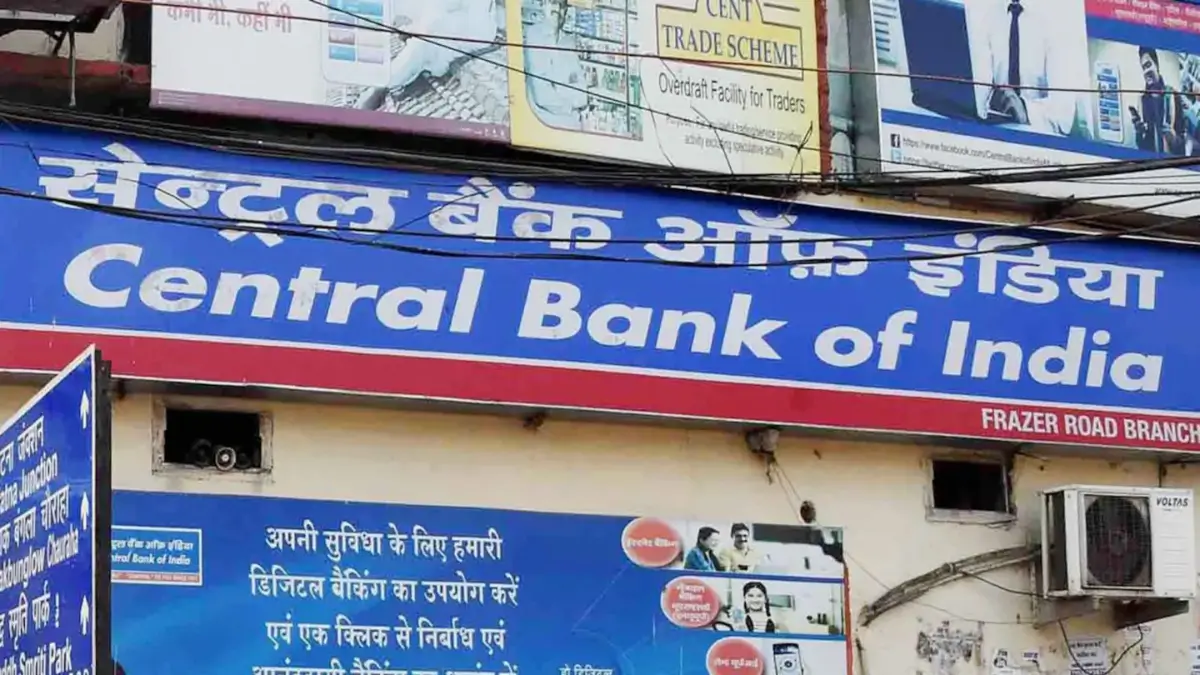
Central Bank of India to Open 150 Branches & Recruit 1,400 Officers in FY 2027

Central Bank of India has outlined an ambitious transformation roadmap for FY27 aimed at strengthening its domestic presence, expanding international operations, and reinforcing its human capital base. The strategy reflects a multi-layered approach to scale operations while improving efficiency and credit quality. The objective is to unlock growth potential and enhance business efficiency across these entities.

Central Bank of India to Open 150 Branches & Recruit 1,400 Officers in FY 2027

Central Bank of India is set to expand its network and workforce in FY27 to improve customer reach and strengthen operations across India.

Key Highlights:

  • Opening 150 new branches across urban, semi-urban, and rural areas
  • Recruiting around 1,400 officers in multiple roles
  • Focus on improving customer access and banking services
  • Strengthening presence in high-potential and underserved regions
  • Supporting overall growth and financial inclusion strategy

Central Bank of India Sets FY27 Growth Agenda

The bank is set to significantly widen its physical footprint by adding 150 new branches across urban, semi-urban, and rural markets. Under the leadership of Managing Director and CEO Kalyan Kumar, the bank is aiming for steady growth through branch expansion, new recruitments, global banking initiatives, and improved subsidiary performance.

Workforce Strengthening: Building Specialized Talent

To support its operational expansion, the bank plans to recruit around 1,400 officers in FY27. The hiring strategy is structured to bring in domain-specific expertise across multiple verticals:

  • Probationary Officers (major intake segment)
  • Marketing specialists to enhance business acquisition
  • Forex professionals for international banking operations
  • Senior-level risk and treasury experts at AGM level

International Push: GIFT City Banking Unit

A key milestone in the expansion plan is the upcoming operational launch of the bank’s International Financial Services Centre Banking Unit at GIFT City, Gandhinagar. With regulatory approvals in place from the Reserve Bank of India and the IFSCA, the unit is expected to become operational soon. It will primarily cater to corporate clients engaged in cross-border trade and financing.

The proposed offerings include:

  • Foreign currency lending solutions
  • Trade finance services
  • Treasury and risk management products
  • This initiative is aimed at expanding the bank’s access to global financial markets and boosting foreign exchange-related business activity.

Subsidiary Overhaul: Strengthening Governance and Growth

Senior leadership, including top management officials from the parent bank, has been assigned to guide operational improvements and governance upgrades. Alongside core banking expansion, the institution is also focusing on restructuring and improving performance of its subsidiaries:

  • Centbank Financial Services Ltd (CFSL)
  • Cent Bank Home Finance Limited (CBHFL)

Bank Mahapack 2026

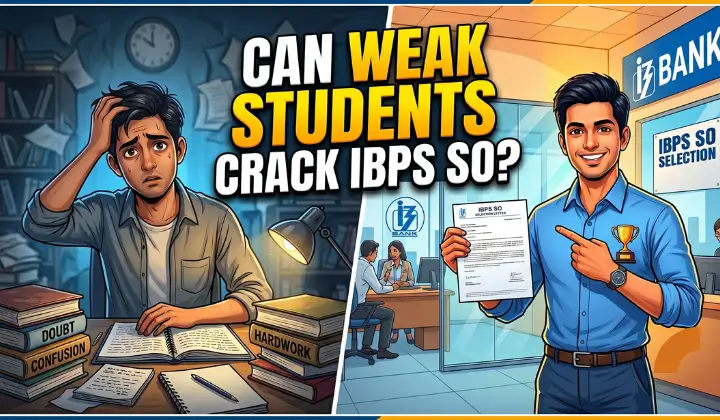
Can Weak Students Crack IBPS SO?

Every year, thousands of banking aspirants ask the same question: “Can a weak or average student crack IBPS SO?” The simple answer is Yes. A student who is weak in Maths, English, or Reasoning can still clear the IBPS Specialist Officer (SO) Exam with the right preparation strategy, consistency, and smart study plan.

Can Weak Students Crack IBPS SO?

The IBPS SO Exam is not designed only for toppers or highly intelligent students. In reality, many candidates who consider themselves average or weak successfully crack the exam every year through disciplined preparation, regular mock tests, and strong command over their Professional Knowledge section.

Who is Considered a “Weak” Student in Banking Exams?

In the banking exam context, a weak student generally means someone who:

  • Has low academic marks
  • Faces difficulty in Quantitative Aptitude, English, or Reasoning
  • Struggles with speed and accuracy
  • Lacks confidence in competitive exams
  • Has inconsistent study habits

Is IBPS SO Too Tough for Weak Students?

No, IBPS SO is not impossible for weak students. Compared to some other competitive exams, IBPS SO is considered moderate in difficulty if approached strategically. The biggest advantage in IBPS SO is that the Professional Knowledge section carries the highest importance in Mains. This means candidates who are average in aptitude sections but strong in their specialized subject can still perform very well overall. The exam mainly consists of:

  • English Language
  • Reasoning Ability
  • Quantitative Aptitude or General Awareness
  • Professional Knowledge (Most Important Section)

Why Weak Students Can Crack IBPS SO

Many successful candidates started with poor basics in Maths or English. The difference is that they:

  • Focused on basics first
  • Practiced regularly
  • Attempted mock tests consistently
  • Improved gradually instead of expecting instant results

IBPS SO is more about:

  • Smart preparation
  • Time management
  • Accuracy
  • Consistency

It is not an exam that only “genius” students can clear.

Key Factors That Decide Success in IBPS SO

Factor Importance
Consistency Daily study improves basics and confidence steadily
Smart Planning Focusing on important topics saves time
Mock Tests Improves speed, accuracy, and exam temperament
Professional Knowledge Most important section for final selection
Revision Helps retain concepts and reduce mistakes
Time Management Essential during prelims and mains

How a Weak Student Can Crack IBPS SO

A balanced strategy, proper revision, and mock test practice can gradually improve performance and boost confidence.

1. Start with Basics

Weak students should never jump directly to advanced-level questions. Start from school-level concepts and strengthen fundamentals.

For Quant:

  • Percentage
  • Ratio & Proportion
  • Average
  • Profit & Loss
  • Time & Work

For Reasoning:

  • Syllogism
  • Coding-Decoding
  • Blood Relations
  • Direction Sense
  • Seating Arrangement

For English:

  • Reading comprehension
  • Vocabulary
  • Error detection
  • Cloze tests

2. Focus More on Professional Knowledge

This is the biggest scoring area in IBPS SO.

Candidates preparing for:

  • IT Officer
  • Marketing Officer
  • Law Officer
  • HR Officer
  • Agriculture Field Officer

must prioritize their domain subjects because a strong score here can compensate for weaker aptitude sections.

Examples:

  • IT Officer: DBMS, Networking, Operating Systems
  • Marketing Officer: Branding, Marketing Mix, Segmentation
  • Law Officer: Banking Laws, Constitution, Legal Terms
  • AFO: Agriculture Basics, Soil Science, Irrigation

3. Practice Mock Tests Regularly

Mock tests help weak students improve:

  • Speed
  • Accuracy
  • Time management
  • Confidence

Aspirants should:

  • Attempt weekly mocks initially
  • Increase frequency closer to the exam
  • Analyze mistakes after every mock

4. Make a Mistake Notebook

One of the best strategies followed by toppers is maintaining a mistake notebook.

Write down:

  • Wrong questions
  • Concept errors
  • Silly mistakes
  • Time-consuming topics

Revising these mistakes regularly helps avoid repetition in the actual exam.

5. Follow a Realistic Study Schedule

Weak students often fail because they make unrealistic timetables.

Instead of studying 12 hours irregularly:

  • Study 3–5 focused hours daily
  • Maintain consistency
  • Revise regularly
  • Avoid burnout

Bank MahaPack Plus

Best Strategy for Weak Students in IBPS SO

Weak or average students can also crack IBPS SO with the right preparation strategy and consistent effort. Instead of trying to master every topic at once, candidates should focus on clearing the prelims cut-off through smart question selection, better accuracy, and regular practice. In the mains exam, the biggest focus should be on Professional Knowledge, as it plays a major role in final selection.

Prelims Strategy

  • Focus on cut-off clearance
  • Attempt easy questions first
  • Improve accuracy over attempts

Mains Strategy

  • Give maximum attention to Professional Knowledge
  • Practice previous year questions
  • Revise domain subjects thoroughly

Can an Average Student Really Crack IBPS SO?

Absolutely yes. Every year, many average students clear banking exams through:

  • Discipline
  • Smart preparation
  • Consistent practice
  • Proper revision

IBPS SO rewards preparation quality more than academic background. Even candidates who were weak in Quant or English initially have cleared the exam after months of focused effort.

Related Posts
IBPS SO Eligibility  IBPS SO Previous Year Paper