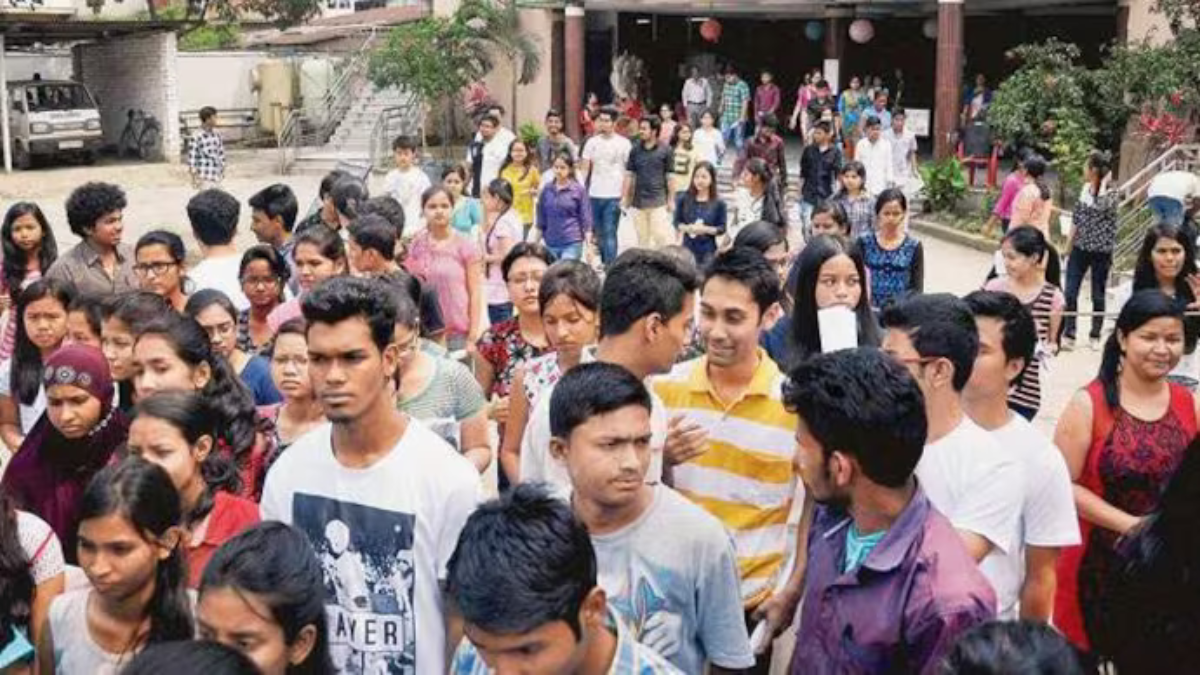
The SEBI Grade A Phase 2 Exam 2026 concluded on 21 February 2026, and candidates across streams are now keen to understand the overall exam standard and expected trends. As the second stage of the selection process, Phase 2 plays a decisive role in shortlisting candidates for the Interview round. This year’s exam tested not only conceptual clarity but also application-based understanding, especially in stream -specific subjects.
SEBI Grade A Phase 2 Exam Analysis 2026
The SEBI Grade A Phase 2 exam focused on analytical thinking, clarity of concepts, and time management. Candidates reported that while some sections are straightforward, others require an in-depth understanding and precise answer writing skills. The descriptive English paper demanded structured responses with clarity in expression. Based on candidate feedback and expert reviews, the overall exam maintained a moderate to difficult level.
SEBI Grade A Mains 2026 Difficulty Level
The difficulty level varied across papers and streams, but the overall standard was moderate to difficult. Some sections were lengthy, making time management a challenge.
SEBI Grade A Phase 2 Section-wise Analysis 2026
The questions in the SEBI Grade A Mains exam were concept-driven rather than memory-based. Candidates with strong fundamentals found the paper balanced but demanding.
Paper 1: English Descriptive
Essay
- Social Media influences political disclosure and public opinion
- Can high-speed rail be an alternative to air travel
- Nowadays, more Indians are globally recognised as high-net-worth individuals
Precis
- Trade & Tariffs
Reading Comprehension
- Data Centre- Water Management
Paper 2: Stream Specific
Commerce
Accountancy
- AS- 2, 9, 10
- Premium Securities amount can be used for which purpose
Management
- Feilders Contingency Model
- Stage of Planning
- Maslows Theory
- Hezberg 2 factor
Finance
- Income tax Act
Costing
- Foward Margin
Companies Act
Economics
- Market Price (numerical)
- Nominal & Real GDP
- Money Multiplier
Legal
- BNS- BNSS (Changes)- Descriptive
- Provision of LLP- Descriptive
- Section 9 of the Depository Act- Descriptive
- Auditor Term
- BNS- Sec 61
- BNS- Community Service
- BNS- Chapter 7
- Snatching
- Robbery- Dacoity
- Private Placement
- Electronic Record
- Minimum Number of Members in a Public Company
- Companies Act- 212
- LLP- Designated Partner
- LLP- Winding Up
- LLP- 3/4th Majority
- Annual Return (60 days)
- Creeping Regulation
- Insolvency Bankruptcy Code- 330 days
- COC- 66%
- BSA- CP
- Burden of Proof
- Relevant Proof
IT
- If a planner’s simple graph has 30 edges and 20 faces, what are the number of verticals
- Which sorting algorithm works efficiently only when elements are uniformly distributed
- Worst-case time complexity of quicksort
- When BST is replaced with a hash table for better search, range queries become slow, why
- Another name for the mod 10 algorithm, for the validity of the credit card number and IMEI number
- When we prefer merge over quicksort
- N-queens and Sudoku will both be solved by backtracking
- Number of nodes in a strict binary tree when leaves are 8
- Which class implemention queue interface in Java
- If a graph follow irreflexibility properly, which graph will be regular or simple?
SEBI Grade A Phase 2 Exam Analysis 2026: Video Link
| Related Posts |
|
| SEBI Grade A Salary | SEBI Grade A Previous Year Paper |
| SEBI Grade A Cut Off | SEBI Grade A Syllabus |
 Bank of Baroda Peon Mains Exam Analysis ...
 RBI Office Attendant Exam Analysis 2026,...
 RBI Office Attendant Exam Analysis 2026,...