HPSCB Junior Clerk Salary 2026, Perks and Allowances

The HPSCB Junior Clerk Salary 2026 is an important aspect for candidates planning to apply for the post, as it offers a stable income along with attractive benefits in the banking sector. Along with job security, the position provides opportunities for growth and financial stability over time. Understanding the salary structure, perks, and allowances helps aspirants make informed career decisions.

HPSCB Junior Clerk Salary 2026

The HPSCB Junior Clerk Salary 2026 includes a structured pay scale along with various allowances such as DA, HRA, and other benefits as per bank rules. The in-hand salary may vary depending on location and deductions, but it remains competitive compared to similar banking roles. Employees also receive perks like medical benefits, leave facilities, and career advancement opportunities.

HPSCB Junior Clerk Salary 2026: Overview

The minimum salary for an HPSCB Junior Clerk is Rs 19900/- per month as mentioned in the official notification. The candidates must have other information on salary and job profile. Here is a brief overview of HPSCB Junior Clerk Salary 2026.

HPSCB Junior Clerk Salary 2026
Organization Himachal Pradesh State Cooperative Bank
Exam Name HPSCB Junior Clerk Recruitment 2026
Post Junior Clerk
Vacancy 91
Category Salary
Basic Pay Rs. 10,300/-
Allowances Dearness allowance, HRA, Interim Relief, Capital Allowance
Language of Exam English and Hindi
Official Website www.ibps.in

HPSCB Junior Clerk Salary Structure

According to the official notification minimum salary package for a junior clerk is around Rs. 19900/- per month, with a total approximate emoluments of Rs. 26,000 + admissible allowances Per month, at the time of joining.

HPSCB Junior Clerk Salary Structure (based on previous notification)
Basic Pay 10,300
Grade Pay (GP) 3200
Interim Relief (IR) 675
Dearness Allowance 22,538 (159% of BP+GP+IR)
Capital Allowance 200
House Rent Allowance 950
Gross Salary 37,863

HPSCB Junior Clerk Job Profile

  • Verify the documents and statements submitted by the clerk in the bank.
  • To update the bank passbook at regular intervals.
  • A clerk is also responsible for the bank’s cash and various documents of the bank, etc.
  • He sanctions the withdrawals by the customer.
  • He provides information on various government schemes and resolves the issues of the customer.

The clerk is also known as a single-window operator. They help the customer by guiding them through various rules and formalities. They act as a point of contact for customers. A clerk plays a wide variety of roles. They act as a loan clerk, account clerk, data entry clerk, office clerk, etc.

Related Posts
HPSCB Junior Clerk Syllabus

Earth Day 2026, Theme, Importance and Facts

Earth Day 2026 is a global reminder that environmental protection is not a one-day activity but a continuous responsibility shared by individuals, communities, and governments. Celebrated every year on April 22, this day brings attention to pressing issues like climate change, pollution, deforestation, and biodiversity loss. It encourages people to adopt sustainable habits and take meaningful actions that contribute to a healthier planet.

Earth Day 2026

Earth Day 2026 is more than just a symbolic celebration; it is a powerful reminder of our shared responsibility to protect the planet. It highlights the urgent need for collective action and sustainable living in the face of growing environmental challenges. Over time, Earth Day has evolved into one of the largest environmental movements worldwide, inspiring millions to participate in conservation efforts.

Earth Day 2026 Theme

“Our Power, Our Planet”

According to EARTHDAY.ORG, the theme reflects “a fundamental truth: environmental progress doesn’t depend on any single administration or election. It’s sustained by daily actions of communities, educators, workers, and families protecting where they live and work.”

The History of Earth Day

  • 1970: First Earth Day; 20 million Americans participate; EPA established
  • 1990: Earth Day goes global; 200 million people across 141 countries participate; recycling becomes mainstream
  • 2000: Internet connectivity enables worldwide coordination
  • 2016: 175 countries sign the Paris Climate Agreement on Earth Day
  • 2020: 50th anniversary marked by over 100 million online participants despite COVID-19 lockdowns
  • 2026 Theme “Our Power, Our Planet” emphasizes resilience against policy

The Spark: 1969 and the Santa Barbara Oil Spill

The genesis of Earth Day can be traced to a specific environmental catastrophe. In January 1969, a blowout on an offshore oil platform near Santa Barbara, California, released more than 3 million gallons of crude oil into the Pacific Ocean, killing thousands of birds, fish, and marine mammals across 35 miles of coastline.

U.S. Senator Gaylord Nelson (D-WI), who had long championed conservation causes, witnessed this devastation and recognized the need to channel public outrage into political action.

Inspired by the energetic student-led anti-Vietnam War protest movement, Nelson proposed a nationwide “teach-in” on college campuses to force environmental issues onto the national agenda. He recruited Denis Hayes, a young activist and Stanford student, to organize the event.

Hayes and Nelson deliberately selected April 22, 1970, a date falling between Spring Break and Final Exams, to maximize student participation.

Importance of Earth Day in 2026

Earth Day 2026 arrives at a time when environmental challenges are becoming more urgent and visible. Climate change, deforestation, plastic pollution, and biodiversity loss are affecting ecosystems and human life at an alarming rate.

  • Bridges awareness and action: Converts concern into real-world environmental efforts.
  • Addresses global crises: Focuses on climate change, pollution, and resource depletion.
  • Encourages sustainable living: Promotes eco-friendly habits in daily life.
  • Drives policy and innovation: Inspires environmental laws and technological solutions.

Environmental Challenges Highlighted in 2026

Earth Day 2026 draws attention to some of the most pressing environmental issues facing the world today. These challenges are interconnected and require immediate and sustained action.

  • Climate Change: Rising global temperatures due to fossil fuel use are threatening ecosystems and human survival.
  • Deforestation: Forest loss, especially in regions like the Amazon, is reducing biodiversity and disrupting ecological balance.
  • Plastic Pollution: Plastic waste has reached oceans, wildlife, and even human food systems.
  • Policy Rollbacks: Over 400 environmental regulations were weakened globally in recent years, posing new risks.

Key Facts About Earth Day

Earth Day has achieved remarkable scale and impact over the decades, making it one of the most influential global movements. Its success lies in its ability to mobilize people and create tangible environmental progress.

  • 1 billion+ participants annually: Making it the largest civic event worldwide.
  • 193 countries involved: Reflecting its truly global reach.
  • 20 million participants in 1970: The starting point of the movement.
  • 3 million gallons of oil spill (1969): One of the key triggers behind Earth Day.
  • 400+ environmental rollbacks (2025): Highlighting the need for renewed action.

Test Prime

JK Bank Apprentice Recruitment 2026 Notification Out For 614 Posts

The JK Bank Apprentice Recruitment 2026 Notification has been officially released for 614 apprentice vacancies, offering a valuable opportunity for graduates to gain banking experience under the Apprentices Act, 1961. The application process has started from 20 April 2026 and will continue till 26 April 2026, giving candidates a short window to apply. Candidates must carefully check eligibility and apply within the deadline to avoid missing this opportunity.

JK Bank Apprentice Recruitment 2026 Notification Out

The JK Bank Apprentice Recruitment 2026 is a great opportunity for graduates to gain valuable experience in the banking sector. With 614 vacancies and a structured training program, candidates can develop practical skills and improve their career prospects. The recruitment aims to engage apprentices across multiple districts and regions, including Jammu & Kashmir, Ladakh, and other major cities in India.

JK Bank Apprentice Recruitment 2026: Notification PDF

  • Organization: Jammu & Kashmir Bank
  • Post Name: Apprentice
  • Total Vacancies: 614
  • Application Start Date: 20 April 2026
  • Last Date to Apply: 26 April 2026
  • Training Duration: 12 Months
  • Mode of Exam: Online
  • Selection Process: Online Test + Merit List

JK Bank Apprentice Vacancy 2026

A total of 614 vacancies have been announced across different regions, providing wide opportunities for candidates from various districts.

  • Majority of vacancies are in Jammu & Kashmir districts (461 posts)
  • Additional vacancies are available in Ladakh region (18 posts)
  • Remaining vacancies are distributed across Delhi, Mumbai, Lucknow, Bangalore, and Mohali (135 posts)
JK Bank Apprentice Vacancy 2026
District/Cluster/Location Vacancy
Jammu & Kashmir
Srinagar 75
Ganderbal 12
Baramulla 35
Bandipora 10
Anantnag 30
Kulgam 14
Pulwama 20
Shopian 15
Budgam 30
Kupwara 18
Poonch 14
Rajouri 19
Jammu 75
Samba 13
Udhampur 16
Reasi 11
Kathua 20
Doda 15
Ramban 9
Kishtwar 10
Total (J&K) 461
Ladakh
Kargil 8
Leh 10
Total (Ladakh) 18
Rest of India
Delhi 42
Mumbai / Greater Mumbai 26
Lucknow 20
Bangalore 19
Mohali 28
Total (ROI) 135
Total Vacancy (Jammu & Kashmir + Ladakh +  Rest of India) 614

JK Bank Apprentice Eligibility Criteria 2026

Candidates must fulfil all eligibility conditions before applying to ensure their application is accepted.

  • Candidates must have completed graduation from a recognized university and should have passed on or after 01 January 2022
  • Applicants must be proficient in the local language of the region they are applying for
  • The minimum age should be 20 years and the maximum 28 years as on 01 January 2026
  • Age relaxation is applicable for reserved categories as per government norms

JK Bank Apprentice 2026 Apply Online Link

The JK Bank Apprentice 2026 Apply Online Link is available through the NATS (National Apprenticeship Training Scheme) portal, where candidates must first complete their registration before applying. Aspirants need to ensure that their profile is fully updated on the portal, as the enrolment number generated will be required during the application process.

JK Bank Apprentice 2026: Click here to Apply Online

Bank Mahapack

How to Apply for JK Bank Apprentice 2026

Candidates must follow the proper application process to complete their registration successfully.

  • Register first on the NATS apprenticeship portal
  • Visit the official JK Bank website and open the recruitment link
  • Fill out the application form with correct details
  • Upload required documents such as photo, signature, and declaration
  • Pay the application fee and submit the form
  • Take a printout for future reference

JK Bank Apprentice Application Fees

Candidates need to pay the application fee online while submitting the form.

  • ₹700 for General/Unreserved category candidates
  • ₹500 for Reserved category candidates
  • Payment must be made through online mode only

Jammu & Kashmir Bank Apprentice Selection Process 2026

The selection process is straightforward and based mainly on performance in the online examination.

  • Candidates will first appear for an online written examination (objective type)
  • There is a negative marking of 1/4th marks for each wrong answer
  • The final merit list will be prepared district-wise and category-wise

JK Bank Apprentice Exam Pattern 2026

The JK Bank Apprentice Exam 2026 will be conducted in online mode and will consist of objective-type questions designed to test candidates on basic aptitude and awareness.

Section No. of Qs. Marks Duration
General Awareness & English Comprehension 50 50 30 minutes
Quantitative Aptitude & Reasoning Ability 50 50 30 minutes
Total 100 100 60 minutes

JK Bank Apprentice Stipend

The apprenticeship offers practical exposure along with a fixed monthly stipend during the training period.

  • Monthly stipend of ₹13,500 (₹9,000 by Bank + ₹4,500 by Government)
  • Additional conveyance allowance up to ₹1,250 per month
  • Training duration is 12 months (1 year)
  • No additional allowances or benefits will be provided

Test Prime

HPSCB Junior Clerk Recruitment 2026 Notification Out For 91 Posts

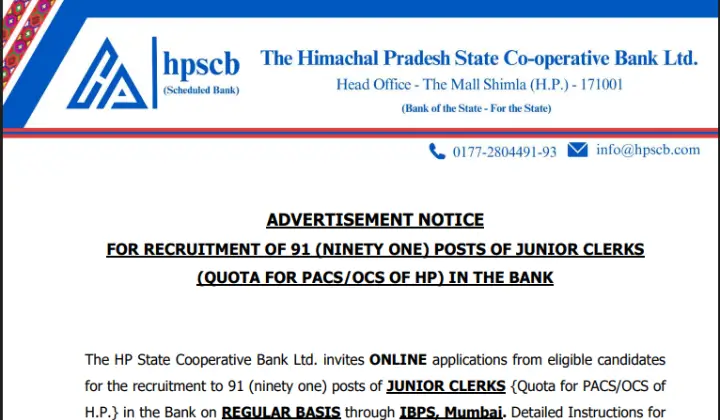
The HP State Cooperative Bank Ltd has released an official advertisement notice inviting online applications for the HPSCB Junior Clerk Recruitment 2026 for 91 Junior Clerk posts. This is a significant opportunity for aspirants looking to build a career in the cooperative banking sector.

HPSCB Junior Clerk Recruitment 2026 Notification Out

This HPSCB Junior Clerk Recruitment 2026 Notification is being conducted for candidates under the Quota for PACS/OCS of Himachal Pradesh on a regular basis, with the selection process being handled through IBPS, Mumbai. The detailed notification, including eligibility criteria, application dates, fee structure, and selection procedure, will be released soon on the official website of the bank.

HPSCB Junior Clerk Recruitment 2026

HPSCB Junior Clerk Vacancy 2026

The bank has invited applications from eligible candidates for the post of Junior Clerk. The recruitment will be conducted through IBPS, ensuring a standardized and transparent selection process for total 91 Posts.

HPSCB Junior Clerk 2026 Apply Online

Eligible candidates will be able to apply online for the HP State Cooperative Bank Junior Clerk recruitment through the official website once the application link is activated. When the application link becomes active, it will be provided here for direct access. Applicants must ensure they complete the process within the stipulated dates to avoid last-minute issues.

How to Apply for HPSCB Junior Clerk 2026

Candidates can follow the step-by-step process below to successfully submit their application form:

  • Visit the official website of HP State Cooperative Bank
  • Click on the Junior Clerk recruitment application link
  • Register yourself by entering basic details
  • Log in using the registration credentials
  • Fill in the application form with personal and educational information
  • Upload required documents, photograph, and signature
  • Pay the application fee (if applicable) through online mode
  • Carefully verify all details before final submission
  • Submit the form and download a copy for future reference

HPSCB Junior Clerk 2026 Eligibility Criteria

To apply for the HPSCB Junior Clerk recruitment, candidates must carefully check the eligibility requirements prescribed by the Himachal Pradesh State Cooperative Bank Ltd. The criteria mainly include educational qualification, age limit, and service-related conditions for reserved quota candidates.

Educational Qualification

All applicants must meet the minimum educational standards as mentioned below. The qualification requirements vary slightly depending on the recruitment category:

10+2 (Intermediate) with at least 50% marks

PACS Quota:

  • 10+2 with 50% marks
  • Minimum 5 years of continuous service as Secretary in PACS
  • For graduates, service requirement reduced to 3 years

OCS Quota:

  • 10+2 with 50% marks
  • Minimum 7 years of continuous service in a Cooperative Society
  • For graduates, service requirement reduced to 5 years

Age Limit

The age criteria for HPSCB Junior Clerk recruitment are as follows:

Minimum Age: 18 years
Maximum Age: 45 years

Age relaxation will be applicable for candidates belonging to reserved categories as per government norms.

Note: Candidates must have passed both Matriculation and 10+2 from schools/institutions located within Himachal Pradesh.

JK Bank Apprentice Syllabus and Exam Pattern 2026, Subject Wise Topics

The JK Bank Apprentice Syllabus 2026 and Exam Pattern has been made available along with the notification. Candidates preparing for the exam can clearly understand the important topics through the syllabus, while the exam pattern provides complete clarity on marking scheme and question format, helping them plan their preparation in a more structured and effective way.

JK Bank Apprentice Syllabus 2026

The JK Bank Apprentice Syllabus 2026 covers key sections such as Reasoning Ability, Quantitative Aptitude, English Language, and General Awareness, with a strong focus on banking and financial awareness. These areas are designed to evaluate candidates’ analytical ability, numerical skills, and understanding of current affairs. The syllabus also emphasizes local knowledge and awareness relevant to the apprentice role.

JK Bank Apprentice Syllabus & Exam Pattern 2026: Overview

A structured preparation of these topics will help aspirants improve their performance in the upcoming exam. The table below shows the summary of the JK Bank Apprentice Syllabus.

JK Bank Apprentice Syllabus 2026
Organisation JK Bank (Jammu & Kashmir Bank)
Exam Name JK Bank Apprentice Recruitment 2026
Post Apprentices
Category Syllabus
Selection Process Online Written Test
Tests of Subject Reasoning Ability, Quantitative Aptitude, English Comprehension and General Awareness
Number of Questions| Marks 100 Questions | 100 marks
Duration 60 minutes (30 minutes each for 2 sections)
Official Website www.jkbank.com

JK Bank Apprentice Exam Pattern 2026

Candidates who are going to appear in the JK Bank Apprentice Exam must be acquainted with the exam pattern. During preparation, it shall also help in formulating a strategy and managing time during exams.

  • The online exam is divided into two sections
  • Each section has 50 questions and each carries 1 mark i.e. a total of 100 marks
  • There shall be a negative marking of one-fourth (1/4) for each answer marked wrong.
JK Bank Apprentice Exam Pattern
Section No. of Qs. Marks Duration
Reasoning Ability & Quantitative Aptitude 50 50 30 minutes
General Awareness & English Comprehension 50 50 30 minutes
Total 100 100 60 minutes

Bank Mahapack 2026

JK Bank Apprentice Section-Wise Syllabus 2026:

The online written exam consists of 2 sections, Reasoning Ability & Quantitative Aptitude and General Awareness & English Comprehension. Candidates must check the detailed JK Apprentice Syllabus 2025 section-wise which has been discussed in the below section.

Section I: Reasoning Ability & Quantitative Aptitude

The Reasoning Ability and Quantitative Aptitude topics that a candidate has to prepare for the online examination have been discussed in the below section.

Reasoning Ability & Quantitative Aptitude
Reasoning Ability Quantitative Aptitude
Puzzles  Simplification & Approximation
Seating Arrangement Number Series
Direction-Distance Data Interpretation
Inequality Percentage
Data Sufficiency Number System and HCF and LCM
Statement and Assumptions Average
Blood Relation Age
Coding-Decoding Partnership
Input-Output Mixture and Alligation
Syllogism Simple Interest, Compound Interest
Analogy Profit & Loss and Discount
Series Completion Time and Work
Assertion & Reason Pipe and Cistern
Paper Folding Time Distance
Paper Cutting Boat and Stream
Water Images Ratio & Proportion
Mirror Images Problems On Trains
Alpha Numeric Series Probability
Cubes and Dice Quadratic Equation

Section II: General Awareness & English Comprehension

The General Awareness and English Comprehension section has the same weightage as that of Reasoning Ability and Quantitative Aptitude. The topics that an aspirant has to prepare for the online examination from the given sections have been mentioned below.

General Awareness & English Comprehension
General Awareness English Comprehension
Current Affairs Comprehension
International Current Affairs Error Detection
Economy Synonyms & Antonyms
Financial Awareness Cloze Test
Ranks and Reports Active & Passive Voice
Science News Vocabulary
Static Awareness Sentence Rearrangement
State Current Affairs Vocabulary
Banking Awareness Idioms & Phrases
Sports News One word Substitution
Govt. Schemes/ Apps
Defence News
Obituaries

Section-Wise Attempt Strategy for JK Bank Apprentice 2026

Section I: Reasoning Ability & Quantitative Aptitude (30 Minutes)

  • Start with Simplification/Approximation & Number Series
  • Attempt Quadratic Equations and easy DI sets
  • Pick only 1–2 easy puzzles/seating arrangements
  • Skip lengthy or confusing questions initially
  • Maintain steady speed and avoid getting stuck
  • Ideal Attempt: 20–25 questions with high accuracy

Section II: General Awareness & English Comprehension (30 Minutes)

  • Begin with General Awareness (quick and direct questions)
  • Focus on banking awareness and current affairs
  • Move to English (RC, Cloze Test, Error Detection)
  • Attempt vocabulary questions quickly

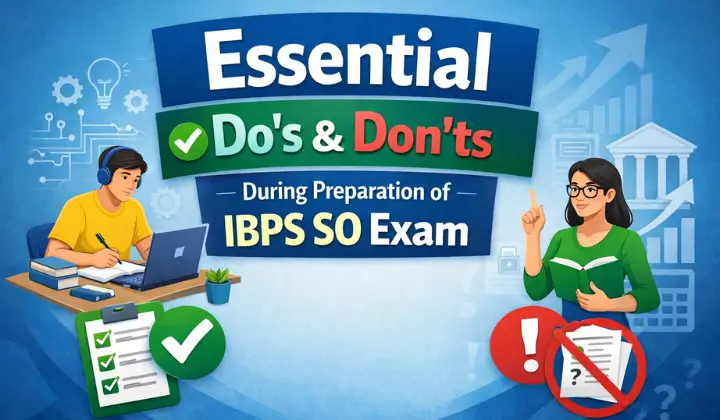
Essential Do’s & Don’ts During Preparation of IBPS SO Exam

The IBPS SO (Specialist Officer) exam is one of the most competitive banking exams in India, requiring a focused strategy, subject expertise, and smart preparation. Since the exam tests both general aptitude and professional knowledge, candidates must avoid common mistakes and follow a disciplined approach.

Essential Do’s & Don’ts During Preparation of IBPS SO Exam

Passing the IBPS Specialist Officer (SO) exam requires more than just intelligence, but also a tactical approach. Because the SO role is specialized (IT, agriculture, law, HR, marketing, or official language), the exam pattern places a heavy emphasis on your professional knowledge, while the prelims requires a high degree of speed.

Essential Do’s for IBPS SO Preparation

As you prepare for the 2026 cycle, here is a definitive guide on the essential Do’s and Don’ts to ensure your name makes it to the final merit list.

1. Clear Understanding of Exam Structure

Before starting preparation, clearly understand the exam pattern and syllabus of your specific post (IT Officer, Marketing Officer, HR/Personnel, Agriculture Officer, etc.). Each stream has a different Professional Knowledge section, which carries the most weight.

2. Strengthen Professional Knowledge

Your professional subject is the deciding factor in IBPS SO selection.

  • Focus on core concepts of your specialization
  • Revise technical topics regularly
  • Practice previous year professional questions
  • Stay updated with industry-related developments

3. Build a Strong Conceptual Base in Reasoning & Quant

Even though Professional Knowledge is crucial, qualifying sections like Reasoning and Quantitative Aptitude cannot be ignored.

  • Practice daily mock questions
  • Focus on accuracy over speed initially
  • Revise formulas and shortcuts regularly

4. Attempt Regular Mock Tests

Mock tests are essential for exam readiness.

  • Take full-length mocks 2–3 times a week initially
  • Increase frequency closer to the exam
  • Analyze every test carefully
  • Identify weak areas and improve them

5. Make Short Notes for Revision

  • Prepare crisp notes for formulas, concepts, and important facts
  • Use them for quick revision before the exam
  • Avoid lengthy study material during revision phase

6. Follow a Proper Study Schedule

Allocate fixed time for each section

Maintain balance between Professional Knowledge and aptitude subjects

Stick to daily targets consistently

7. Stay Updated with Banking Awareness

For the interview and descriptive understanding:

  • Read banking news daily
  • Follow RBI updates and financial developments
  • Understand basic banking terms and policies

Essential Don’ts for IBPS SO Preparation

The IBPS SO exam demands a balanced strategy combining strong professional knowledge and solid aptitude skills. Consistency, practice, and smart revision are the keys to success.

1. Don’t Ignore Professional Knowledge

Many candidates focus only on aptitude and underestimate their core subject. This is a major mistake since Professional Knowledge carries maximum weight.

2. Don’t Rely Only on Theory

Just reading concepts is not enough.

  • Avoid passive reading
  • Practice application-based questions
  • Solve case-based problems where applicable

3. Don’t Skip Mock Test Analysis

Attempting mocks without analysis is ineffective.

  • Don’t just check your score
  • Analyze mistakes deeply
  • Understand why you got answers wrong

4. Don’t Ignore Time Management

Poor time management can affect performance even if preparation is good.

  • Practice sectional timing
  • Learn to switch questions quickly
  • Avoid spending too much time on one question

5. Don’t Study Random Topics

Avoid scattered preparation.

  • Stick to the syllabus
  • Avoid unnecessary study material overload
  • Follow a structured plan instead of random topics

6. Don’t Neglect Revision

Without revision, even strong concepts fade.

  • Revise regularly
  • Keep weekly revision slots
  • Focus more on weak areas

7. Don’t Panic Before the Exam

Stress can impact performance.

  • Maintain consistency
  • Trust your preparation
  • Avoid last-minute overload

Bank Mahapack Plus

Related Posts
IBPS SO Marketing Officer Syllabus IBPS SO Previous Year Papers
IBPS AFO Syllabus IBPS SO Vacancy
IBPS SO Law Officer Syllabus IBPS SO Eligibility

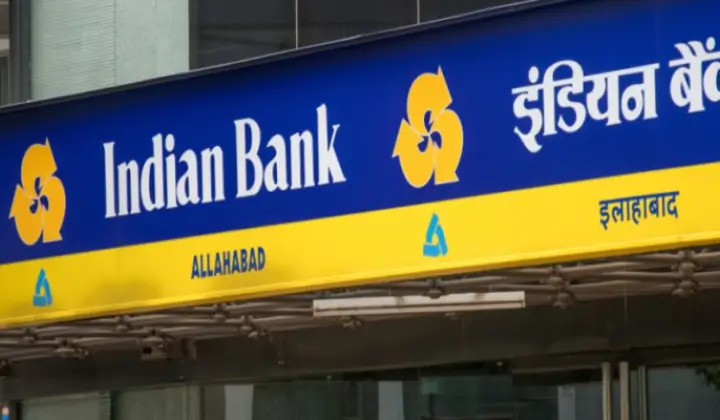
Indian Bank SO Recruitment 2026 Notification Out for 350 Manager, AM and SM Posts

Indian Bank has released Indian Bank SO Recruitment 2026 Notification, inviting applications from qualified candidates for various professional roles in the banking domain. The drive offers 350 vacancies across multiple specialized areas including IT, Finance, Credit, Risk Management, and Wealth Management, making it a major recruitment opportunity for aspirants aiming for SO positions in the banking sector this year.

Indian Bank SO Recruitment 2026 Notification Out

Interested applicants are advised to thoroughly review the official notification before submitting their forms, as it contains all essential details related to eligibility, including age limits, required educational background, professional qualifications, and any relevant work experience criteria.

Indian Bank SO Recruitment 2026 Overview
Recruitment Name
Indian Bank SO Recruitment 2026-27
Exam Name Specialist Officer Recruitment Exam 2026
Conducting Body Indian Bank, Chennai
Mode of Application Online
Total Vacancies 350 Posts
Posts Manager, Senior Manager, Assistant Manager across IT, Risk Management, Credit, Finance, Wealth Management, HR, Marketing, Security, Civil, Architecture
Age Limit According to the Posts
Selection Process Shortlisting & Interview or Online Test & Interview (Post-wise)
Salary Range According to the Posts
Official Website indianbank.in

Indian Bank SO Recruitment 2026: Important Dates

Candidates planning to apply should keep track of all key dates to avoid missing any deadlines and ensure timely completion of the application process.

Event Date
Online Registration & Fee Payment End Date 28 April 2026
Cut-off Date for Eligibility (Age, Qualification, Experience) 1 April 2026

Indian Bank SO Notification 2026 PDF

The Indian Bank Specialist Officer (SO) 2026 notification PDF has been officially released, providing a comprehensive overview of the entire recruitment process for 350 vacancies. This document acts as a detailed reference for applicants, explaining the distribution of posts across different departments, required qualifications, age limits, and other eligibility conditions.

Indian Bank SO Notification 2026 PDF: Download Now

Indian Bank SO Vacancy 2026

Indian Bank has announced a total of 350 Specialist Officer (SO) vacancies across various departments, offering opportunities for candidates with diverse professional backgrounds. Candidates can add the detailed post-wise vacancy table below this section.

Manager, Senior Manager, Assistant Manager across IT, Risk Management, Credit, Finance, Wealth Management, HR, Marketing, Security, Civil, Architecture

Post Code Post Name Scale Total
1 Manager-DC Operations II 4
2 Manager-Information Security Operations II 3
3 Manager-DBA II 5
4 Manager-Network Operations II 3
5 Manager-Application Developer II 3
6 Manager-API Developer II 4
7 Manager-Data Analyst II 3
8 Manager-Chartered Accountant II 10
9 Senior Manager-Credit III 20
10 Manager-Credit II 80
11 Senior Manager-Finance III 20
12 Manager-Finance II 80
13 Senior Manager-Financial Analyst III 10
14 Manager-Financial Analyst II 40
15 Senior Manager-Model Validator III 4
16 Senior Manager-IT Risk Management III 1
17 Senior Manager-Data Analyst III 2
18 Senior Manager-Risk Management III 6
19 Senior Manager-Climate Risk III 2
20 Senior Manager-Forex Dealer III 4
21 Senior Manager-Forex Dealer (Cross-Currency) III 1
22 Senior Manager-Domestic Dealer – Rupee Derivatives III 1
23 Senior Manager-Domestic Dealer – Equity / MFs III 1
24 Senior Manager-Domestic Dealer – NSLR III 1
25 Senior Manager-Domestic Dealer – SLR III 2
26 Manager-Wealth Management II 5
27 Manager-HR II 10
28 Manager-Marketing II 10
29 Assistant Manager-Security I 10
30 Assistant Manager-Civil Engineer I 4
31 Assistant Manager-Architect I 1
Total 350

Indian Bank SO 2026 Eligibility Criteria

Candidates applying for Indian Bank Specialist Officer posts must meet specific educational, professional, age, and experience requirements, ensuring they have the right expertise for their chosen domain.

Educational & Professional Requirements

IT Specialists: Bachelor’s degree in Computer Science/IT/Electronics (4 years) or relevant Post Graduate degree, or NIELIT ‘B’ Level. Mandatory certifications such as VMware Certified Professional, CISSP, CCNA, Oracle Certified Associate, etc., are required for most IT roles.

Post Code Post Name Educational Qualification
1-7 Manager – IT Posts (DC Operations, Information Security Operations, DBA, Network Operations, Application Developer, API Developer, Data Analyst) Basic Educational Qualification: (a) 4-year Engineering/Technology Degree in Computer Science/Computer Applications/Information Technology/Electronics/Electronics & Telecommunications/Electronics & Communication/Electronics & Instrumentation OR (b) Post Graduate Degree in Electronics/Electronics Tele Communication/Electronics Communication/Electronics Instrumentation/Computer Science/Information Technology/Computer Applications OR (c) Graduate having passed NIELIT B Level.
8 Manager – Chartered Accountant Member of Institute of Chartered Accountants of India (ICAI). Preference to candidates with additional qualification of ICMA/CFA.
9 Senior Manager – Credit Graduation in any discipline AND 2 years full time MBA (Finance) / MMS in Finance.
10 Manager – Credit Graduation in any discipline AND 2 years full time MBA (Finance) / MMS in Finance.
11 Senior Manager – Finance Graduation in any discipline AND PGDBA / PGDBM in Finance.
12 Manager – Finance Graduation in any discipline AND PGDBA / PGDBM in Finance.
13 Senior Manager – Financial Analyst Member of ICAI OR ICMA (erstwhile ICWA) OR CFA.
14 Manager – Financial Analyst Member of ICAI OR ICMA (erstwhile ICWA) OR CFA.
15 Senior Manager – Model Validator CA / CFA OR Master’s Degree in Mathematics / Statistics (Full Time Regular).
16 Senior Manager – IT Risk Management B.E./B.Tech. in Computer Science / Information Technology / Electronics / Electronics Communication OR MCA OR M.Sc. in Computer Science / Information Technology OR MS in Data Science.
17 Senior Manager – Data Analyst CA OR Bachelor’s / Master’s Degree in Computer Science / IT / MCA / Statistics / Mathematics / Economics.
18 Senior Manager – Risk Management CA OR Engineering Graduate OR Master’s Degree in Mathematics / Statistics / Finance / Economics OR MBA (Full Time).
19 Senior Manager – Climate Risk CA OR Master’s Degree in Environmental Sciences / Mathematics / Statistics / Finance / Economics OR MBA (Full Time).
20-25 Senior Manager – Forex / Domestic Dealer Posts Graduate Degree in Full Time Regular mode.
26 Manager – Wealth Management Graduate in any discipline AND 2 Year Full Time Degree in Management (MBA / PGDBA / PGDBM / PGPM / PGDM) with specialization in Marketing / Wealth Management.
27 Manager – HR Graduate AND Two Years Full time Post Graduate degree or Two Years Full time Post Graduate diploma in Personnel Management / Industrial Relations / HR / HRD / Social Work / Labour Law.
28 Manager – Marketing Graduate AND Two years full time regular Master’s degree in Business Administration (MBA) OR PGDM / PGDBM / MMS / PGP in Management with specialization in Marketing.
29 Assistant Manager – Security Graduate from recognized university or equivalent AND certification in computer course for minimum three months OR Information Technology/related paper as one of the subjects at graduation level or afterwards.
30 Assistant Manager – Civil Engineer Bachelor’s degree in Civil Engineering from reputed University/Institution with minimum 60% marks.
31 Assistant Manager – Architect Full Time Bachelor’s Degree in Architecture with valid registration of Council of Architect (CoA), knowledge of AutoCAD, and conversant with Govt. procurement guidelines.

Nationality:

Candidates must be Indian citizens or meet specific criteria for subjects of Nepal, Bhutan, or Tibetan refugees.

Age Limit (as on 1 April 2026)

  • Scale I (Assistant Manager): 23–33 years
  • Scale II (Manager): 23–25 years (minimum) to 33–35 years (maximum), depending on the post
  • Scale III (Senior Manager): 25–27 years (minimum) to 35–37 years (maximum), depending on the post
  • Age relaxations are applicable for reserved categories as per government norms.

Work Experience

  • Scale II (Manager) posts: 1–3 years of relevant domain experience.
  • Scale III (Senior Manager) posts: 3–5 years of experience, preferably in Scheduled Commercial Banks, NBFCs, or large corporates.
Bank MahaPack Plus

Indian Bank SO Apply Online 2026 Link

The Indian Bank SO 2026 application process is currently open on the official website, allowing eligible candidates to complete and submit their forms within the specified deadline. Applicants are advised to carefully review all eligibility criteria before applying and ensure that all required documents such as educational certificates, photograph, signature, and identity proof are prepared in advance to avoid last-minute errors or rejection during submission.

Indian Bank SO Apply Online 2026 Link: Click to Apply

Are you Preparing for Indian Bank SO Exam 2026??

How to Apply for Indian Bank SO Recruitment 2026

Follow these simple steps to apply online:

  • Visit the official website of Indian Bank and go to the Careers section.
  • Click on the SO Recruitment 2026 link and register yourself.
  • Fill in the application form with correct details.
  • Upload required documents (photo, signature, certificates).
  • Pay the application fee online.
  • Submit the form and download a copy for future use.

Indian Bank SO Application Fee 2026

The application fee for the Indian Bank Specialist Officer (SO) Recruitment 2026 varies by category. The fee is non-refundable, so check details carefully before paying. Keep the payment receipt safely for future reference.

Category Application Fee
General / OBC / EWS ₹1000
SC / ST / PwBD ₹175

Indian Bank SO Exam Pattern 2026

The Indian Bank SO exam is designed to assess candidates on their language skills, domain knowledge, reasoning ability, and quantitative aptitude. The exam is divided into four sections, each with a specific number of questions, marks, and duration. Here’s a detailed breakdown:

English Language

  • Number of Questions: 20
  • Maximum Marks: 20
  • Duration: 20 Minutes

Professional Knowledge (Respective Domain)

  • Number of Questions: 60
  • Maximum Marks: 120
  • Duration: 60 Minutes

Reasoning

  • Number of Questions: 20
  • Maximum Marks: 20
  • Duration: 20 Minutes

Quantitative Aptitude

  • Number of Questions: 20
  • Maximum Marks: 20
  • Duration: 20 Minutes

Total

  • Number of Questions: 120
  • Maximum Marks: 180
  • Duration: 2 Hours

Indian Bank SO 2026 Selection Process

The selection for Specialist Officer posts will follow one of two possible routes, based on the number of applications received:

  • Shortlisting & Interview – Candidates are shortlisted based on their qualifications and experience, then called for an interview.
  • Online Test & Interview – Candidates appear for an online test first, and successful candidates move on to the interview stage.

Indian Bank SO 2026 Pay Scale & Benefits

Indian Bank offers attractive pay packages for Specialist Officers, along with allowances and benefits as per bank rules. The pay scales vary across Scale I, II, and III, with increments over the years and additional perks such as DA, HRA, and medical benefits.

Pay & Benefits Overview:

  • Scale I: ₹48,480 (Basic), Gross ₹70,000–₹85,000
  • Scale II: ₹64,820 (Basic), Gross ₹85,000–₹1,10,000
  • Scale III: ₹85,920 (Basic), Gross ₹1,10,000–₹1,40,000

Additional Benefits:

  • Dearness Allowance (DA)
  • City Compensatory Allowance (CCA)
  • House Rent Allowance (HRA) or leased accommodation
  • Leave Fare Concession & medical/hospitalization benefits
  • Retirement benefits and other perquisites as per industry settlements

Career Growth Opportunities After Joining as Indian Bank SO

Joining Indian Bank as a Specialist Officer (SO) offers a well-defined career path with opportunities for professional growth, skill enhancement, and leadership roles. The bank encourages continuous learning and provides exposure to various banking operations, risk management, finance, IT, and customer relationship management.

  • Structured Promotion Path: SOs can progress from Scale I (Assistant Manager) to Scale II (Manager) and Scale III (Senior Manager), based on performance, experience, and internal assessments.
  • Skill Development: Working in specialized domains such as IT, Credit, Risk, Finance, or Wealth Management allows officers to gain in-depth expertise and certifications that enhance their professional profile.
  • Leadership Opportunities: High-performing SOs are often considered for managerial and strategic roles, including heading departments or leading major projects.
  • Cross-functional Exposure: Officers may get opportunities to work across multiple departments, gaining a holistic understanding of banking operations.
  • Financial Benefits: In addition to a competitive salary, SOs enjoy allowances, performance incentives, and retirement benefits, which increase with seniority.
  • Long-term Career Security: Being part of a public sector bank like Indian Bank ensures job stability, structured growth, and industry recognition.

Indian Bank SO 2026 Syllabus

The Indian Bank SO 2026 syllabus is designed to assess candidates on their language proficiency, logical reasoning, numerical ability, and domain-specific expertise. While sections like English, Reasoning, and Quantitative Aptitude test basic aptitude skills, the Professional Knowledge section plays a crucial role as it is specific to the post applied for and carries the highest weightage in the exam.

Section Important Topics
English Language Reading Comprehension, Cloze Test, Error Detection, Para Jumbles, Fill in the Blanks, Vocabulary
Reasoning Ability Puzzles, Seating Arrangement, Syllogism, Coding-Decoding, Blood Relations, Direction Sense, Inequality
Quantitative Aptitude Data Interpretation, Simplification, Arithmetic (Profit & Loss, Time & Work, SI/CI), Number Series, Quadratic Equations
Professional Knowledge (Post-wise) IT: Networking, DBMS, Cyber Security
Finance/Credit: Financial Analysis, Banking Awareness
Risk: Risk Management, Basel Norms
Marketing/HR: Management & Marketing Basics

Indian Bank SO 2026 Job Profiles

The Indian Bank SO Recruitment 2026 offers a wide range of specialized roles across multiple departments, providing candidates with opportunities in IT, finance, risk management, marketing, HR, and technical domains. Below is a detailed post-wise overview of the job profiles to help candidates understand the nature of work associated with each position.

IT Roles: DC Ops, InfoSec, DBA, Network, Developer, API, Data Analyst

  • Manage IT systems, networks, databases, and cybersecurity
  • Develop applications, APIs, and data solutions
  • Ensure system performance, automation, and security
  • 8. Manager – Chartered Accountant
  • Handle financial reporting, taxation, audits, and compliance

Credit & Finance

  • Process credit proposals and perform financial analysis
  • Manage loan portfolios and ensure regulatory compliance

Risk Management Roles

  • Assess and monitor financial, IT, and climate risks
  • Work on risk models, compliance, and governance

Forex / Treasury

  • Handle forex trading, derivatives, and investment portfolios
  • Analyze markets and ensure regulatory adherence

Wealth Management

  • Manage HNI clients and provide investment advisory
  • Drive portfolio growth and product sales

HR

  • Manage recruitment, payroll, performance, and employee relations

Marketing

  • Execute marketing campaigns and analyze market trends
  • Focus on brand growth and customer acquisition

Security

  • Oversee branch security, surveillance systems, and audits

Civil Engineer / Architect

  • Plan, design, and manage construction and infrastructure projects

Who Should Apply for Indian Bank Specialist Officer Posts?

  • Candidates with strong academic qualifications in specialized fields such as IT, Finance, Risk Management, Credit, HR, Marketing, Civil Engineering, or Architecture.
  • Applicants holding professional degrees or certifications like CA, CFA, MBA (Finance/Marketing/HR), MCA, or equivalent technical qualifications.
  • Individuals looking to move beyond general banking roles and build a career in domain-specific and technical banking positions.
  • Working professionals with relevant industry experience who are seeking growth opportunities in a reputed public sector bank.
  • Candidates who want long-term job stability along with structured career progression in the banking sector.
  • Aspirants interested in roles involving analytical, managerial, or technical responsibilities within banking operations.

Why Choose Indian Bank as a Career?

Indian Bank is one of the leading public sector banks in India, offering a stable and growth-oriented career for Specialist Officers. It provides strong job security along with opportunities to build expertise in specialized banking domains like IT, Finance, Risk, and Credit.

  • Job Security: Being a government-owned bank ensures long-term stability
  • Attractive Salary: Competitive pay along with allowances and perks
  • Career Growth: Clear promotion hierarchy from Scale I to Scale III and beyond
  • Skill Development: Exposure to advanced banking systems and specialized roles
  • Work-Life Balance: Better regulated working hours compared to private sector
  • Learning Opportunities: Continuous training and professional development programs
  • Prestige & Stability: Work with a reputed nationalized bank with strong brand value

Related Posts
Indian Bank SO Salary
Indian Bank SO Syllabus

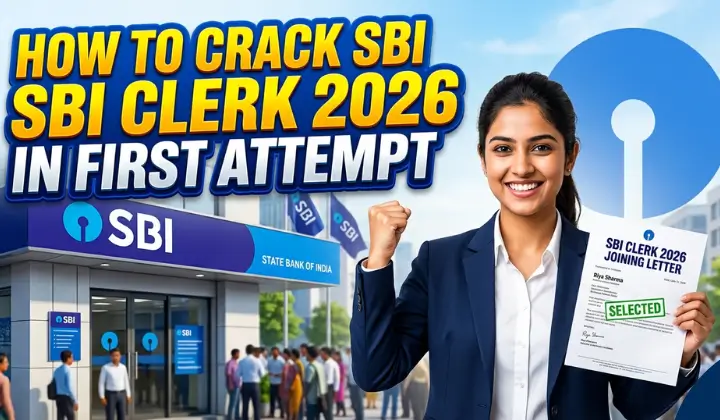
How to Crack SBI Clerk 2026 in First Attempt

Cracking the SBI Clerk exam in your first attempt is a realistic goal if you follow a structured and consistent approach. With SBI Clerk 2026 Prelims expected around September 2026, aspirants have a valuable preparation window to build concepts, improve speed, and strengthen accuracy. Instead of relying on random study methods, a focused strategy aligned with the actual exam demand can significantly increase your chances of selection.

How to Crack SBI Clerk 2026?

The SBI Clerk selection process consists of two stages. The Prelims exam is qualifying in nature, while the Mains exam determines the final selection. Therefore, your preparation should target both stages from the beginning.

  • Prelims Exam: English Language, Numerical Ability, Reasoning Ability
  • Mains Exam: General/Financial Awareness, Reasoning & Computer Aptitude, Quantitative Aptitude, English Language

What Your SBI Clerk Preparation Should Look Like?

Preparing for SBI Clerk 2026 requires a clear roadmap rather than scattered efforts. With the exam expected in the coming months, this phase is very important  to build clarity, improve performance, and stay ahead of the competition. A well-planned approach that combines concept understanding, regular practice, and continuous evaluation can make a significant difference. The following points outline a practical strategy to help you prepare in a focused and efficient manner for both Prelims and Mains.

1. Understand the Syllabus and Exam Pattern

Before starting preparation, go through the complete syllabus and exam pattern. A clear understanding of the exam structure is the first step toward success. This helps you:

  • Identify important topics.
  • Avoid irrelevant study material.
  • Plan your preparation effectively.

2. Build Strong Fundamentals

Avoid jumping directly to advanced questions. Strong fundamentals will help you solve questions faster and more accurately in the exam. Start with basic concepts in:

  • Quantitative Aptitude
  • Reasoning Ability
  • English Language

3. Create a Daily Study Plan

Even 3-4 hours of focused study daily can produce excellent results if done consistently. Consistency is the key to cracking SBI Clerk 2026. Your daily routine should include:

  • Concept learning
  • Section-wise practice
  • Regular revision

4. Focus on High-Weightage Topics

Mastering these topics will help you maximize your score. Prioritize topics that frequently appear in the exam:

Reasoning: Puzzles, Seating Arrangement, Syllogism
Quant: Simplification, Arithmetic, Data Interpretation
English: Reading Comprehension, Cloze Test, Error Detection

5. Improve Speed and Accuracy

Maintaining the right balance will help you clear the cut-off comfortably. SBI Clerk is a time-bound exam, so both speed and accuracy are required:

  • Avoid blind guessing.
  • Attempt questions you are confident about.
  • Practice regularly to increase speed.

Bank Mahapack 2026

6. Work on Time Management

Efficient time utilization can significantly improve your attempts. Time management plays an important role in Prelims:

  • Do not spend too much time on a single question.
  • Attempt easy questions first.
  • Skip difficult questions and return later.

7. Start Mains Preparation Early

Do not wait for Prelims results to begin Mains preparation. This will give you a strong advantage after clearing Prelims. Start early with:

  • Current Affairs (last 4–6 months)
  • Banking Awareness
  • Computer Knowledge

8. Practice Regularly and Analyze Performance

Regular evaluation helps you refine your strategy and avoid repeated mistakes. Practice is essential, but analysis is equally important:

  • Identify weak areas.
  • Improve accuracy.
  • Track your progress.

SBI Clerk 2026 Preparation Timeline

Following this timeline ensures you are fully prepared before the exam.

  • Phase 1 (Now – June): Build concepts and basics.
  • Phase 2 (July – August): Intensive practice and speed improvement.
  • Phase 3 (Last 30 Days): Revision and full-length tests.
Related Posts
SBI Clerk Salary SBI Clerk Syllabus
SBI Clerk Previous Year Question Paper SBI Clerk Books
SBI Clerk Local Language Test

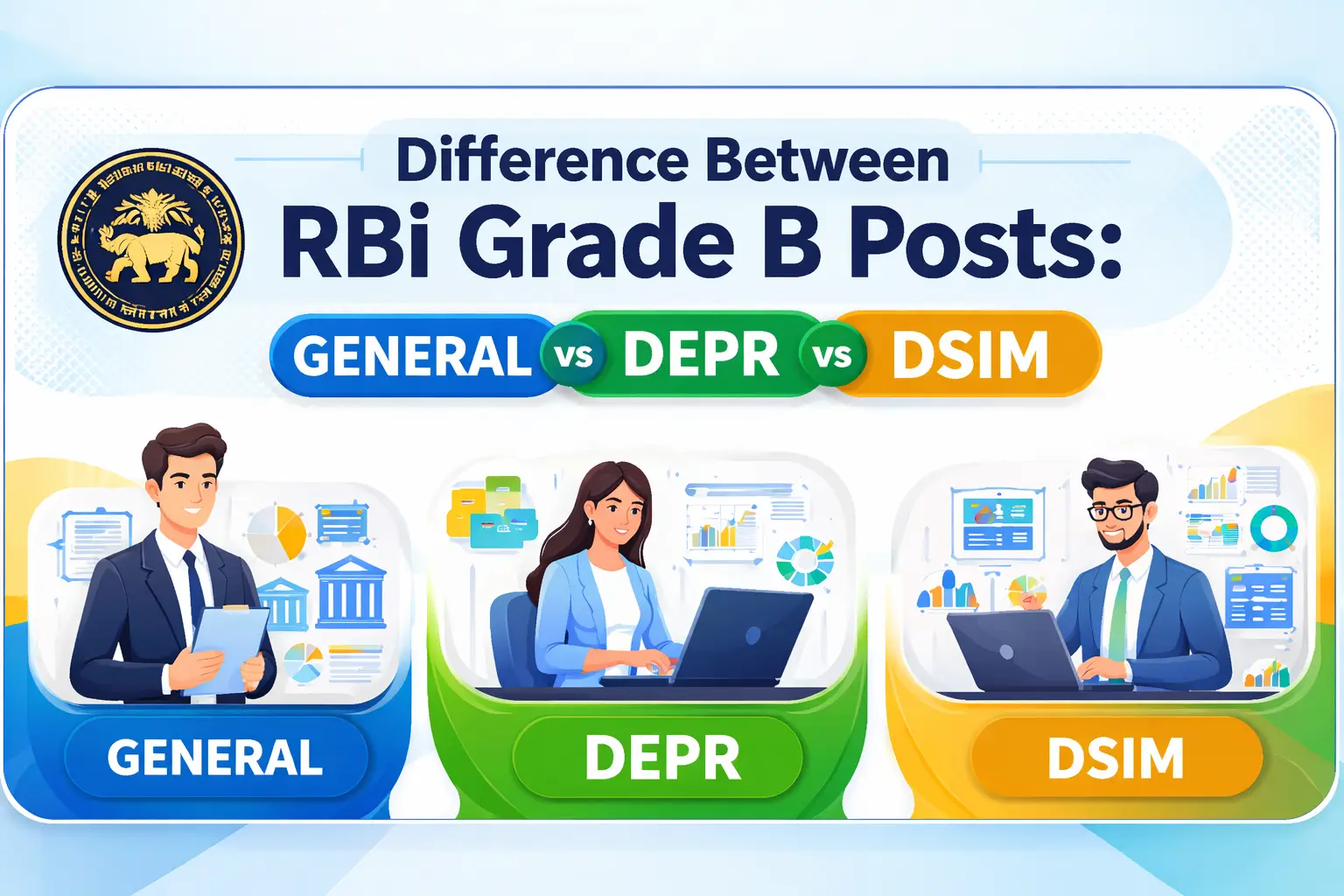
Difference Between RBI Grade B Posts: General vs DEPR vs DSIM

With the RBI Grade B 2026 notification expected to be released soon, this is the right time for aspirants to gain clarity about the different posts before starting their final phase of preparation. The Reserve Bank of India offers multiple streams under Grade B, and choosing the right one General, DEPR, or DSIM can significantly impact your preparation strategy and career path.

Difference Between RBI Grade B Posts

The Reserve Bank of India offers three distinct streams under RBI Grade B General, DEPR, and DSIM. Each post has a different role, eligibility, and career path, so understanding the differences is crucial before choosing your target.

Instead of waiting for the notification, candidates should understand the requirements, roles, and expectations of each post in advance to make a well-informed decision.

  • General
  • DEPR – (Department of Economic & Policy Research
  • DSIM – (Department of Statistics & Information Management)

RBI Grade B (General)

This is the most popular stream among aspirants. Officers handle core central banking functions like monetary policy implementation, banking regulation, financial stability, and currency management.

  • Background: Open to graduates from any discipline
  • Focus Areas: Finance, Economy, Management, Current Affairs
  • Nature of Work: Administrative + policy-related
  • Best For: Aspirants with a generalist approach and strong overall aptitude
  • Work Profile: Policy implementation, regulatory roles, administrative tasks
  • Skills Required: Analytical ability, decision-making, awareness of economy
  • Career Scope: Diverse roles across RBI departments

RBI Grade B (DEPR) – Department of Economic & Policy Research

This stream is designed for candidates with a strong academic background in economics. Officers are involved in research, policy formulation, and economic analysis.

  • Background: Postgraduate in Economics / Econometrics
  • Focus Areas: Macroeconomics, Microeconomics, Statistics
  • Nature of Work: Research-oriented
  • Best For: Candidates interested in economic policy and research roles
  • Work Profile: Economic research, report writing, policy analysis
  • Skills Required: Strong conceptual clarity in economics, research aptitude
  • Career Scope: Opportunity to contribute to national economic policies

RBI Grade B (DSIM) – Department of Statistics & Information Management

This post is for candidates with expertise in statistics, mathematics, or data science. Officers work on data analysis, statistical modeling, and policy support through data insights.

  • Background: Postgraduate in Statistics / Mathematics / Data Science
  • Focus Areas: Statistics, Data Analysis, Programming
  • Nature of Work: Technical + data-driven
  • Best For: Candidates with strong quantitative and analytical skills
  • Work Profile: Data analysis, statistical modeling, database management
  • Skills Required: Strong quantitative skills, technical expertise
  • Career Scope: Growing importance with increasing focus on data-driven policy making

Key Difference Between RBI Grade B General vs DEPR vs DSIM

Before choosing a stream, it’s important to quickly understand how the General, DEPR, and DSIM posts differ from each other in terms of eligibility, work profile, and exam focus under the Reserve Bank of India.

Aspect General DEPR DSIM
Eligibility Graduation PG in Economics PG in Stats/Math
Nature of Work Administrative Research Data & Analytics
Exam Focus Aptitude + ESI + FM Economics (Descriptive) Statistics + Technical
Competition Very High Moderate Lower

Which One Should You Choose?

Your choice should depend on your academic background and long-term career goals. If you come from a general background and want a versatile role, the General stream is the right fit. If you have specialized knowledge in economics or statistics, DEPR and DSIM offer more focused and intellectually rewarding career paths.

Preparation Strategy for RBI Grade B Each Stream

Preparation should be tailored according to the stream you choose:

  • General: Focus on current affairs, ESI, FM, and aptitude sections. Regular mock tests and revision are crucial.
  • DEPR: Build strong conceptual clarity in economics and practice answer writing for descriptive papers.
  • DSIM: Strengthen statistics concepts and practice numerical and data-based questions extensively.

HPSCB Junior Clerk Salary 2026, Perks and Allowances_18.1

Related Posts
RBI Grade B Salary RBI Grade B Selection Process
RBI Grade B Mains Mock Test RBI Grade B Eligibility
RBI Grade B Preparation Strategy RBI Grade B previous year question papers
RBI Grade B Mock Test RBI Grade B Syllabus

RBI Grade B Tender Notification Tender 2026 Out, PDF on 28 April, Check Official Notice

The release of the RBI Grade B Tender Notification 2026 suggests that the official recruitment notification is likely to be announced on 28 April 2026. This development marks the initial phase of the selection process conducted by the Reserve Bank of India. Aspirants should use this time wisely to sharpen their preparation and be fully ready for the upcoming examination cycle.

RBI Grade B Tender Notification 2026 Out

The Reserve Bank of India has initiated the formal steps to publish the Grade B recruitment advertisement in leading newspapers nationwide, indicating that the official notification is imminent. With the announcement expected shortly, aspirants should utilize this crucial window to refine their preparation, strengthen weak areas, and position themselves ahead of the competition.

RBI Grade B Tender Notice 2026: Download PDF

RBI Grade B 2026 Overview

Candidates can check RBI Grade B 2026 important details  in the given table.

Particulars Details
Organisation Reserve Bank of India (RBI)
Exam Name RBI Grade B 2026
Posts
Grade B (General/DEPR/DSIM)
Qualification
Graduation (60%) / Post Graduation (55%)
Age Limit 21 to 30 years
Selection Process
Phase 1, Phase 2 & Interview
Salary ₹1,50,374 (Gross Salary)
Mode of Application Online
Job Location Across India
Notification PDF Release Date 28 April 2026
Official Website rbi.org.in

Important Dates of RBI Grade B Tender 2026

The tender notification includes key dates for bidding and advertisement release. Candidates and agencies should note these deadlines carefully.

Event Date & Time
Tender Start Date 16 April 2026 (from 17:00 hrs)
Bid Start Date 16 April 2026 (from 17:00 hrs)
Bid Close Date 21 April 2026 (11:30 hrs)
Bid Opening Date 21 April 2026 (12:00 hrs)
Advertisement Release From 28 April 2026 (Tentative)

What is RBI Grade B Tender Notification?

The Reserve Bank of India has taken the first step towards the RBI Grade B 2026 recruitment by issuing a tender notice. While this is not the official notification, it strongly indicates that the recruitment process is about to begin soon. Aspirants should treat this as an early signal and start preparing seriously without waiting further.

  • The tender has been released to select an agency for publishing the recruitment advertisement
  • It will ensure the official notification is widely circulated across newspapers in India
  • This stage comes just before the release of the actual recruitment notification
  • The official RBI Grade B 2026 notification is expected shortly
  • Candidates should use this time to strengthen their preparation and strategy

RBI Grade B 2026 Advertisement Newspapers List

As per the official notice, RBI plans to release advertisements in multiple leading English, Hindi, and regional newspapers. This approach ensures nationwide coverage and accessibility of recruitment information.

  • Advertisements to be published in major English newspapers like Times of India, The Hindu, Economic Times
  • Hindi newspapers include Dainik Bhaskar, Amar Ujala, Dainik Jagran
  • Regional newspapers across languages such as Tamil, Telugu, Marathi, Gujarati, and more
  • Standard advertisement size: 8 cm (width) × 10 cm (height)
  • Employment News and Rojgar Samachar will have full-page advertisements

RBI Grade B Vacancy Trend Analysis

The total number of vacancies has seen a noticeable decline compared to the high recruitment phase of 2021–2023. This drop is mainly linked to the completion of major hiring requirements in the Department of Supervision (DoS), indicating a shift towards more stable and limited recruitment.

2023: 291 vacancies (a peak hiring year)
2024: 94 vacancies (around 67% drop, one of the lowest in recent years)
2025: 120 vacancies (slight recovery, suggesting a stable trend near 100–120 vacancies)

What This Means for RBI Grade B Aspirants

The release of the tender notification clearly indicates that RBI is preparing to publish the Grade B recruitment advertisement. This step usually comes just before the official notification, making it a crucial update for candidates.

  • RBI will release the official Grade B notification soon
  • Advertisement likely to be published from 28 April 2026 (tentative)
  • Recruitment will be for General, DEPR, and DSIM posts
  • Marks the beginning of the RBI Grade B 2026 cycle

What Should RBI Grade B Aspirants Do Now?

This is the most important phase of your preparation. Instead of waiting for the detailed notification, aspirants should focus on building momentum and improving performance.

  • Start or intensify your Phase 1 + Phase 2 preparation
  • Focus on Economic & Social Issues (ESI) and Finance & Management (FM)
  • Improve accuracy in Quant, Reasoning, and English
  • Begin serious preparation of current affairs (last 4–6 months)
  • Attempt full-length mock tests regularly

HPSCB Junior Clerk Salary 2026, Perks and Allowances_18.1

Related Posts
RBI Grade B Salary RBI Grade B Selection Process
RBI Grade B Mains Mock Test RBI Grade B Eligibility
RBI Grade B Preparation Strategy RBI Grade B previous year question papers
RBI Grade B Mock Test RBI Grade B Syllabus
QR Code
Scan Me