
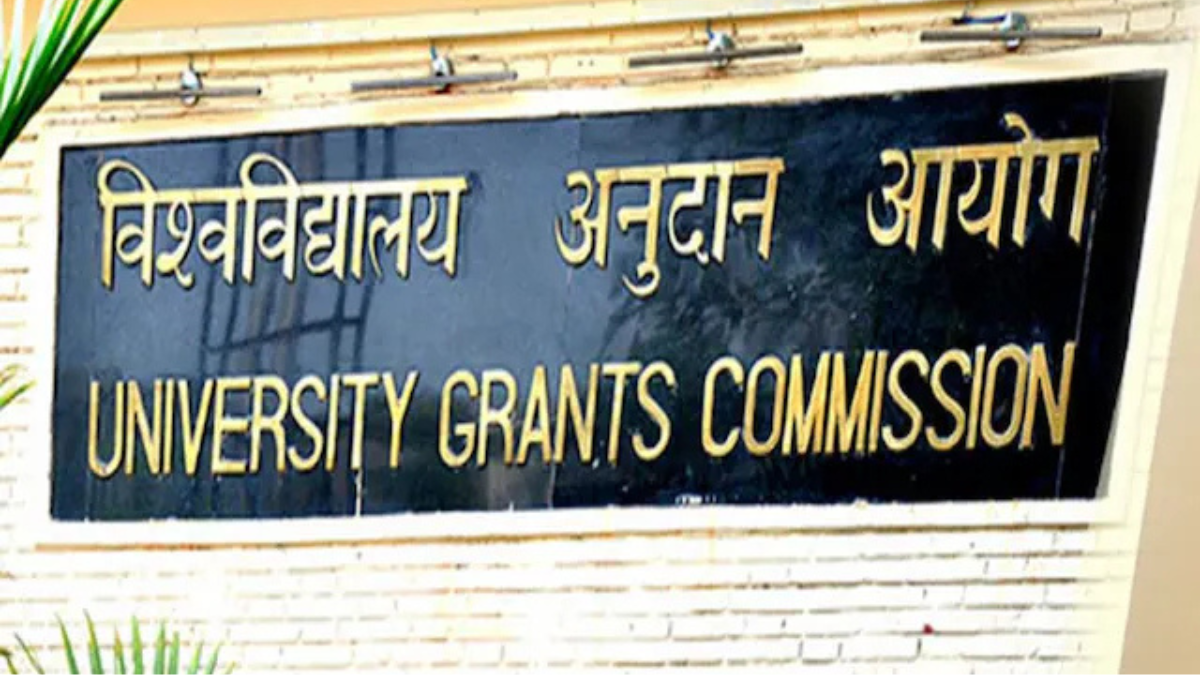
The University Grants Commission has introduced UGC Bill 2026 which is a major policy shift for higher education by promoting equity in Higher Institution Regulation 2026. These rules aim to strengthen the fairness, accountability and inclusivity in colleges and universities across India. These laws are mentioned to abolish the exclusivity that was faced by people from marginalised communities.
University Grants Commission (UGC)
The University Grant Commission (UGC), is a Statuary Body of the Government of India, Ministry of Education, Department of Higher Education, constituted under the University Grants Commission Act, 1956 (3 of 1956), vested with two responsibilities: that of providing funds and that of coordination, determination and maintenance of standards in institutions of higher education.
The UGC’s mandate includes:
- Promoting and coordinating university education.
- Determining and maintaining standards of teaching, examination and research in universities.
- Framing regulations on minimum standards of education.
- Monitoring developments in the field of collegiate and university education; disbursing grants to the universities and colleges.
What Is the UGC Bill 2026?
The UGC Bill 2026 is a set of updated equity and anti-discrimination regulations for all recognised universities, colleges and higher education institutions (HEIs) in India. Its stated goal is to promote inclusion, protect disadvantaged groups, and ensure dignity and safety for students, faculty, and staff.
The regulations were formally notified in January 2026 and have since sparked widespread discussion, protests, and even legal challenges due to their scope and implementation requirements.
Key Objectives of the UGC 2026 Regulations
The UGC 2026 Regulations aim to create a safe, fair, and inclusive environment in higher education institutions across India. These regulations focus on preventing discrimination and ensuring equal opportunities for all students and staff.
- Prevent discrimination on campus including caste, religion, gender, disability, race, place of birth and other identity-related grounds.
- Promote social inclusion and equity for historically disadvantaged communities.
- Establish clear procedures for reporting, handling, and resolving discrimination issues.
UGC New Rules 2026
The UGC New Rules 2026, has officially released UGC Bill 2026. It aims in Promotion of Equity in Higher Education Institutions Regulation 2026. By ruling out these new laws, the UGC aims in abolishment of discrimination among the students and to create a safer campus in colleges and universities. Although these new regulations replace the previous year framework of 2012. These are statutory regulations framed under the UGC Act, 1956.
The UGC Bill 2026 primarily focuses on:
- Preventing Discrimination
- Strengthening Grievance redressal
- Defining institutional accountability
- Improving campus governance
Key Academic and Administrative Changes Under UGC New Rules 2026
The UCG Bill 2026 has ruled some important academic and administrative changes under the UGC Act 1956. They are stated as follow:
1. Mandatory Establishment of Equal Opportunity Centre (EOC)
Every higher education institution must set up an Equal Opportunity Centre (EOC). This would make sure that no section of the society would left in the race of education. This was lead to no discrimination among the students who wish to seek higher education.
Functions of EOC:
- Promote inclusive policies on campus
- Address issues related to discrimination and exclusion
- Guide students and staff on equity-related matters
- Act as a support and advisory body
The EOC must function independently and submit periodic reports to the institution and UGC.
2. Formation of Equity / Anti-Discrimination Committees
Institutions must constitute Equity Committees with defined roles. This would make sure that there would be no discrimination among the students.
Composition includes:
- Senior faculty members
- Administrative representatives
- Student representatives
- Members from diverse social backgrounds
Responsibilities:
- Examine complaints of discrimination
- Recommend corrective and disciplinary action
- Monitor institutional compliance
3. Time Bound Grievance Redressal System
A major reform under UGC New Rules 2026 is the introduction of strict timelines. This would lead to an active system of student support and help in addressing their issues at the earliest.
- Complaint acknowledgement: within 24 hours
- Inquiry and resolution: within 15 working days
- A written record of action taken is mandatory
- Delays without justification can attract penalties.
4. Clear and Expanded Definition of Discrimination
The new regulations provide a broad and explicit definition of discrimination, covering:
- Caste
- Religion
- Gender and sexual identity
- Disability
- Region, language, or ethnicity
- Social or economic background
Both direct and indirect discrimination are covered, including harassment, exclusion, victimization, and retaliation.
5. Direct Accountability of Institutional Heads
Vice Chancellors, Principals, Directors, and Heads of Institutions are now personally responsible for:
- Implementation of UGC norms
- Functioning of EOC and committees
- Preventing hostile campus environments
Failure may lead to:
- Financial penalties
- Withdrawal of grants
- Derecognition of courses or institutions
- UGC-led inquiry and action
This would lead to direct and quick implementation of the UGC Bill 2026, as it would help in excluding discrimination at the earliest.
6. Mandatory Reporting and Documentation
Institutions must collect all the necessary documents of the students to keep a verified admission. It must:
- Maintain records of complaints and actions taken
- Submit compliance reports to UGC
- Display grievance mechanisms on official websites
- Conduct awareness programs for students and staff
- Non-reporting will be treated as non-compliance.
7. Protection for Complainants
UGC New Rules 2026 ensure:
- No retaliation against complainants
- Confidential handling of sensitive cases
- Protection of academic and career interests
- Any victimization will invite strict disciplinary action.
Who Will Be Affected by the UGC New Rules 2026?
The UGC New Rules 2026 apply to all stakeholders involved in India’s higher education system. As these regulations are statutory in nature, they mandate compliance from institutions and directly influence campus governance, student safety, and administrative accountability.
Key stakeholders affected include:
- Students: Especially those from marginalised communities, who will receive stronger protection against discrimination and harassment.
- Universities and Colleges: Required to set up Equal Opportunity Centres, Equity Committees, and follow strict compliance norms.
- Faculty and Staff: Expected to adopt inclusive practices and participate in grievance redressal mechanisms.
- Institutional Heads: Vice-Chancellors, Principals, and Directors will be personally accountable for implementation and compliance.
UGC Rules 2026 vs Earlier Guidelines
| Aspect | Earlier Guidelines | UGC New Rules 2026 |
| Nature | Advisory | Statutory & mandatory |
| Timelines | Not defined | Strict & time bound |
| Accountability | Institutional | Personal responsibility |
| Enforcement | Weak | Strong penalties |
| Monitoring | Limited | Regular UGC oversight |
Why UGC New Rules 2026 Are Important for Higher Education Reform
The UGC New Rules 2026 mark a significant step toward reforming India’s higher education system by making equity, accountability, and student safety legally enforceable rather than merely advisory. These rules address long-standing issues of discrimination, weak grievance redressal, and lack of institutional responsibility across colleges and universities.
Key reasons why these rules are important:
- Ensure equal access and fair treatment for students from marginalised and underrepresented communities
- Introduce time-bound grievance redressal, improving trust in institutional systems
- Fix clear accountability on institutional leadership for compliance and campus safety
- Strengthen governance and transparency through mandatory reporting and UGC oversight
- Create safer and more inclusive campuses, aligned with constitutional values and social justice










 Daily Current Affairs Quiz 12th July 202...
 Daily Current Affairs and GK Updates (11...
 RBI Grade B ESI & FM Answer Writing ...